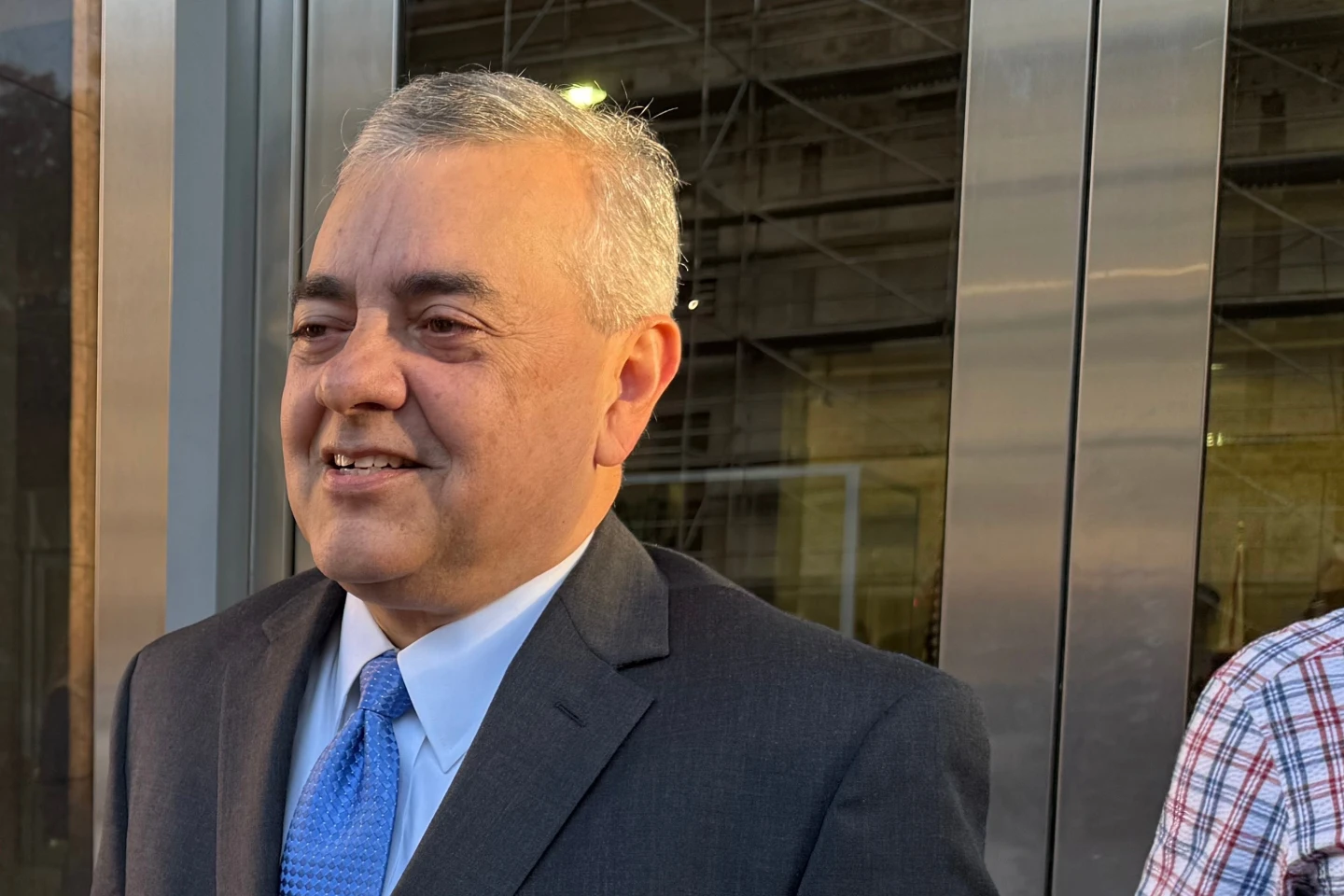
The inconspicuous glass-paned office above a ramen store in Manhattan's Chinatown was the unlikely center of Chinese espionage activity. In 2022, Lu Jianwang established a space, where he claimed he would help expatriates renew their driver's licenses and play ping pong. However, this facade quickly unraveled when the FBI raided the premises, accusing him of establishing the first known overseas police station in the US, aimed at monitoring critics of the Chinese government.
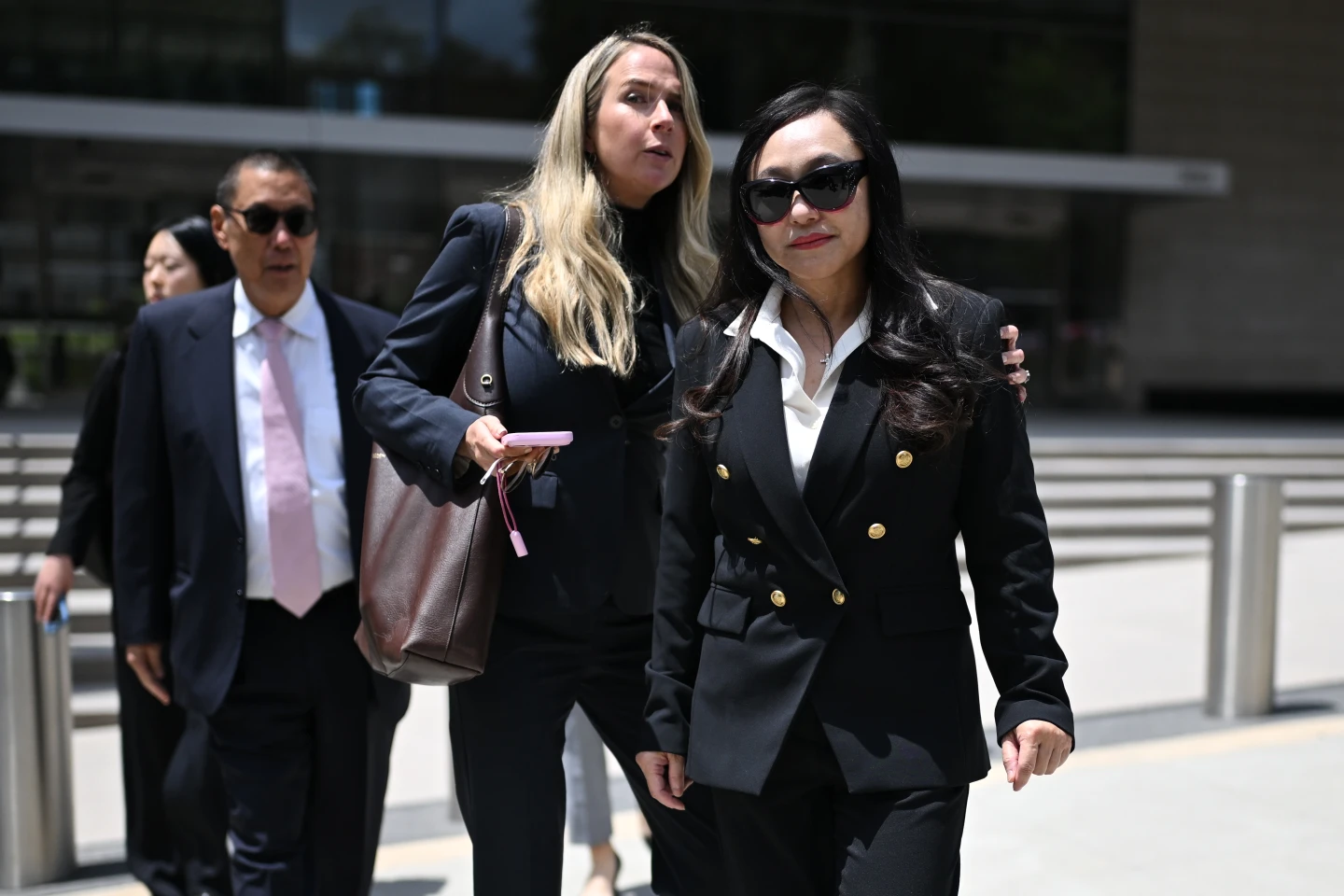
This week, Lu was convicted of acting as an unauthorized foreign agent for China, amidst a series of similar cases revealing the long reach of the Chinese Communist Party (CCP). Notably, a week prior, a California politician, Arcadia Mayor Eileen Wang, confessed to disseminating propaganda catering to the Chinese government, further spotlighting the risks of foreign interference in domestic politics.
Experts suggest that these cases underline China's intensified efforts to expand its influence globally, especially within Chinese expat communities, leveraging both soft power and clandestine operations. As China operates these unofficial 'police stations' in more than 50 nations, the legality and ethics of such interventions continue to come under scrutiny.
While the Chinese government has sought to downplay the existence of these stations, referring to them as centers for community assistance, the reality paints a different image of surveillance and control. The implications of such operations elicit significant concern regarding civil liberties, dual loyalties among expatriates, and the evolving nature of international relations.
As the US grapples with these revelations, the legal battles against individuals like Lu and Wang raise questions about how to address espionage successfully without infringing upon the freedoms of legitimate community support efforts.