In brief
The ongoing conflicts in the Middle East have significantly influenced the Jewish community in Britain, leading to heightened feelings of insecurity and polarization within the community regarding views on Israel. This article explores how these events have impacted Jewish identity, community ties, and perspectives on global antisemitism.
It's been an incredibly difficult two years, says Phil Rosenberg, president of the Board of Deputies of British Jews. I think our Jewish identity is being worn far more heavily these days given the pain of it all.
British Jews are experiencing their most substantial change in 60 years due to the ongoing conflicts in the Middle East. The emotional toll stemming from the events of October 7, which included lethal attacks that impacted British citizens, has intensified feelings of vulnerability within the British Jewish community.
During the past two years, the devastating violence in Gaza and the rising tide of antisemitism have been painful to witness, leading to a surge in reported hate crimes against Jewish individuals. Reports from the Home Office confirm a dramatic increase, from 1,543 hate crimes in England and Wales in March 2023 to over 3,282 by March 2024.
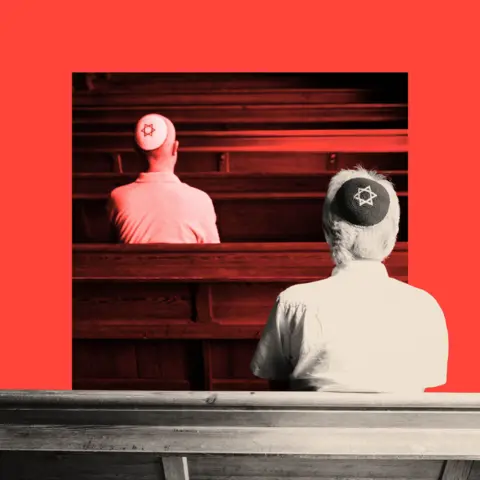
Ben Dory, a 33-year-old Londoner, indicates increased communal ties amidst heightened security concerns, noting that some Jewish individuals carry their kippah discreetly for safety. It’s a reaction to a global frenzy of antisemitism that has hurt many in our community deeply, he shares.
The communal sentiments were echoed further with events like the shocking mass shooting at Bondi Beach during Hanukkah celebrations and the attack in Manchester on Yom Kippur, two incidents that left the community feeling more exposed than ever before.
A generational divide is becoming increasingly apparent, with younger Jews expressing differing perspectives on Israel than older generations. A recent study by the Institute for Jewish Policy Research reveals that only 47% of British Jews aged 20-30 identify as Zionists, with significant portions identifying as non-Zionist or anti-Zionist.
Louise Ellman, a former MP, articulated the pervasive fear she and others in the community now feel, stating, I've never felt as vulnerable as a Jew as I do now. Despite divergent views on Israel’s policies, the bonds within the community appear to be strengthening as they navigate these complex issues together.
While rising antisemitism exerts pressure on Jewish identities, this wave of crisis has also sparked increased activism and awareness among community members. Some express a newfound urgency to address social justice issues, underpinning a complex identity grappling with both heritage and contemporary challenges.
Amidst these challenges, Phil Rosenberg advocates for a broader representation of Jewish experiences beyond trauma, emphasizing the necessity for a balanced portrayal of Jewish life in Britain. As members of this community forge their paths forward, the interplay between safety, identity, and political beliefs remains a crucial dialogue as they navigate this transformative period.