A transgender employee of the National Security Agency is suing the Trump administration and seeking to block enforcement of a presidential executive order and other policies the employee says violate federal civil rights law.
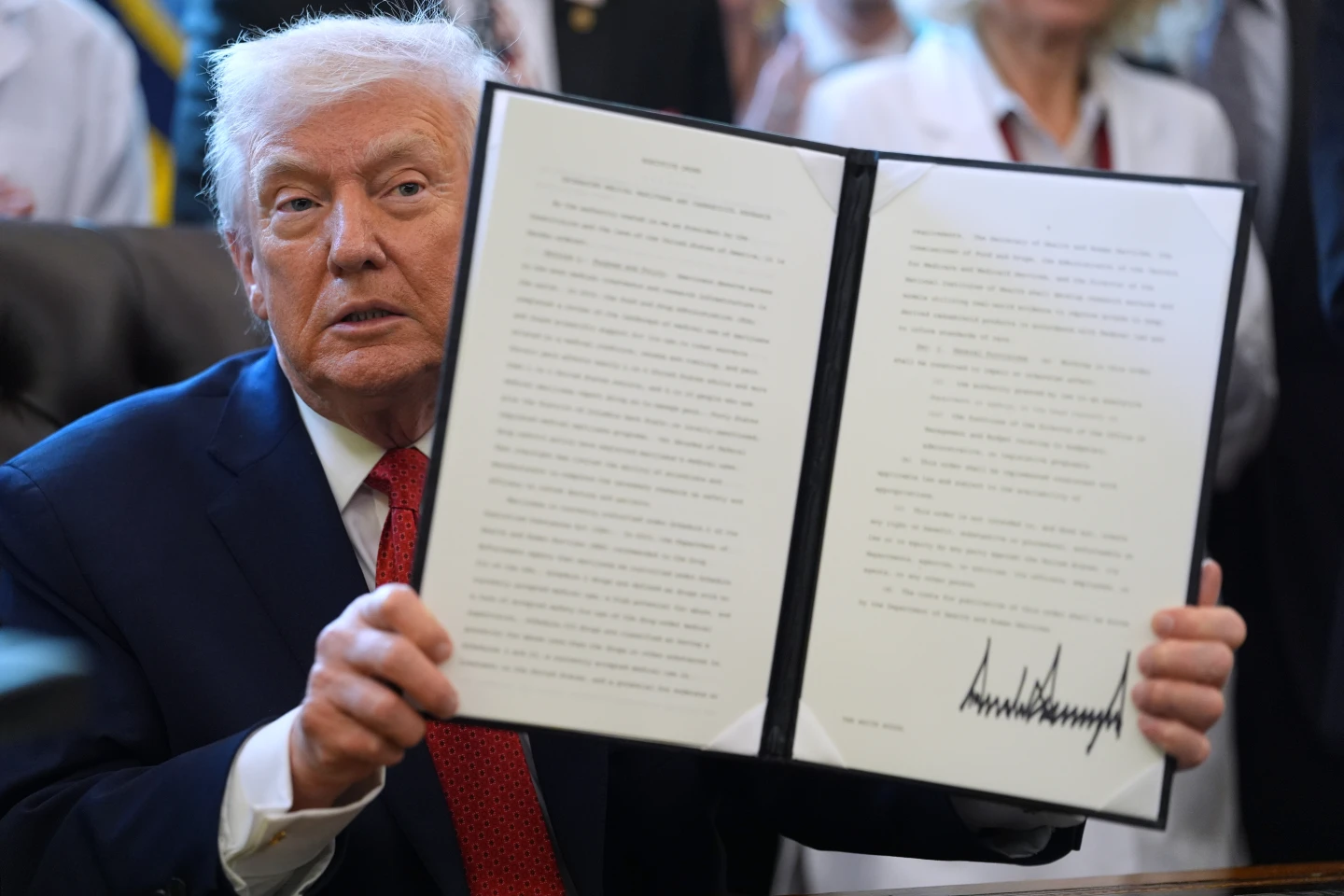
Sarah O’Neill, an NSA data scientist who is transgender, has filed a lawsuit, challenging President Donald Trump’s Inauguration Day executive order that mandated the federal government recognize only two immutable sexes: male and female.
The lawsuit, filed Monday in a U.S. District Court in Maryland, states that Trump’s executive order declares that it is the policy of the United States government to deny Ms. O’Neill’s very existence. The White House has yet to respond to the lawsuit.
This executive order is linked to policies that O’Neill argues infringe upon her identity as a transgender woman. Following the order, she claims the NSA has rescinded policies recognizing her gender identity, prohibits her from using female pronouns in workplace communications, and has barred her from using the women’s restroom at work.
O’Neill asserts that these changes have created a hostile work environment and contravene Section VII of the Civil Rights Act, which the U.S. Supreme Court interpreted in 2020 as protecting individuals from discrimination based on gender identity.
The ruling highlighted that discrimination against transgender individuals inherently constitutes discrimination based on sex. The lawsuit highlights O’Neill’s claims regarding her identity and seeks to provide not only the restoration of her workplace rights but also financial reparations.
Moreover, the suit emphasizes that the Executive Order effectively dismisses the legitimacy of individual gender identities, labeling them as 'gender ideology.' In citing the adverse effects arising from such policies, O’Neill is poised to challenge an administration's stance that has attracted scrutiny and legal contention throughout its tenure.
As executive actions involving significant social issues continue to unfold, the implications of this case could set important precedents regarding civil rights protections for transgender individuals in federal employment.