In brief
President Donald Trump has publicly said that Russia and Ukraine have agreed to a ceasefire of attacks on energy infrastructure, a move that Ukraine officials affirm but Russia has not confirmed. Moscow’s silence and the response of pro‑Kremlin outlets suggest the deal may favor Russia by limiting Ukraine’s options. The announcement also has ripple effects on international diplomacy and may influence U.S. political sentiment ahead of the midterm elections. The article compares viewpoints from the United States, Ukraine, and Russia, reflecting on strategic, economic, and political consequences of the ceasefire claim.
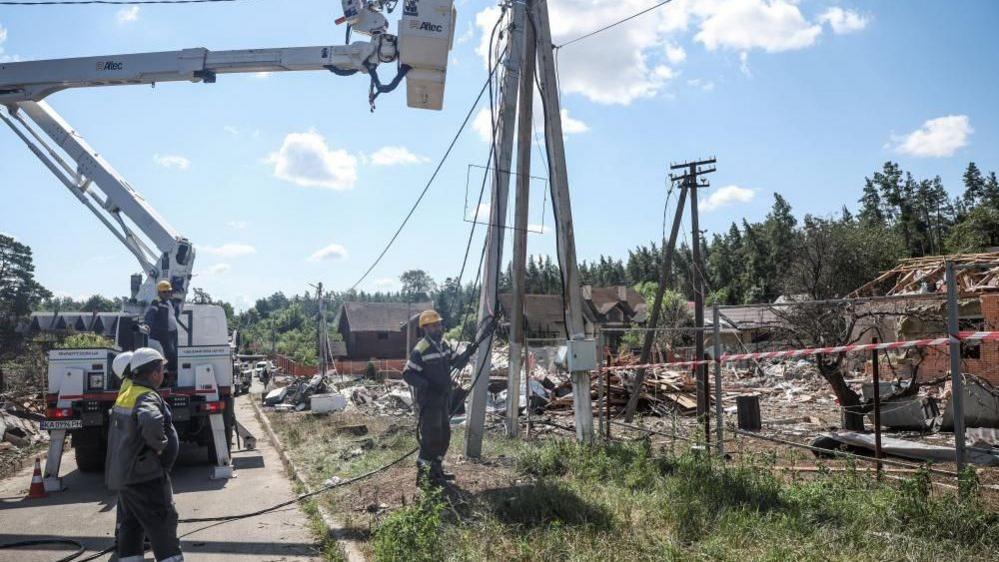
On 12 October, President Donald Trump announced that Russia and Ukraine had reached an agreement to halt attacks on energy infrastructure, a claim that has attracted sharp reactions across the globe.
In Kyiv, President Volodymyr Zelensky reacted with a brief statement that the ceasefire was “news for me,” while the Kremlin has yet to issue any public confirmation, leaving observers to question the real status of the negotiations.
Pro‑Kremlin media outlets have quickly labeled Trump’s announcement a “gift” to Moscow, arguing that a unilateral suspension of Russian attacks would only benefit Ukraine by leaving its remaining energy facilities vulnerable. They claim the ceasefire essentially binds Ukraine to Russia’s terms while exempting Moscow from further damage.
From the perspective of the United States, the deal could ease pressure on U.S. consumers if a new diesel supply agreement with Russia is fulfilled. However, critics worry that the volumes involved are too small to lower fuel prices significantly and could undermine the broader economic sanctions regime against Russia.
Russia’s spokesperson Dmitry Peskov stated that discussions are ongoing and he would announce any decision when ready. In contrast, Kremlin messaging has suggested that the ceasefire does not meet Moscow’s strategic objectives and that continued pressure on Ukraine’s energy grid is preferred.
The ceasefire claim also carries political weight within Washington, where the Trump administration faces scrutiny regarding its support for Ukraine. Some analysts warn that a perceived leniency toward Russia could influence public opinion ahead of the U.S. mid‑term elections.
In sum, the announcement of an energy ceasefire amid an ongoing war has sparked debate over its legitimacy, effectiveness, and broader geopolitical consequences. While Ukraine signals readiness to accept the terms, Moscow’s silence and media framing indicate that the deal is unlikely to curb the strategic advantage Russia has been seeking since the conflict began.