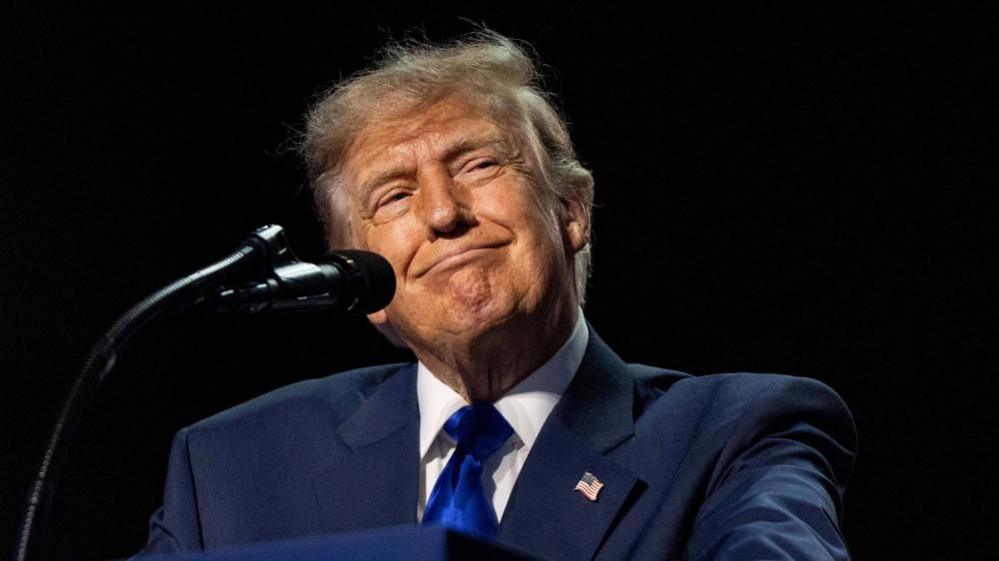
Trump promises to give every American adult a $5,000 cheque if Republicans win the November 2026 midterm elections.
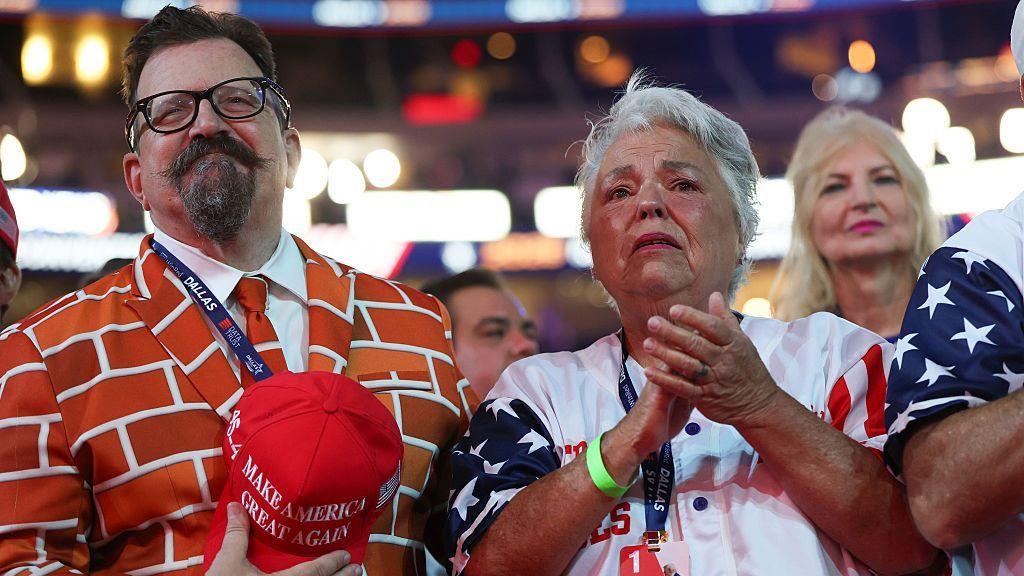
The offer was made during a loud applause at a Texas Republican convention, but critics say it is an "empty promise" and raise doubts about how it would be funded or whether it is legal.
Trump has not disclosed a source for the payments; Vice‑President JD Vance suggested tariff revenue could cover the cost but pointed out that such funds would avoid wealthy recipients. Legal experts find the proposal falls into a gray area between a campaign pledge and a potential bribery scheme.
Under federal law, payments aimed at influencing voters are illegal. However, some scholars argue the offer could be considered a standard tax‑cut pledge, which is permissible. Others see it as a direct, transactional deal unprecedented in political history.
The financial implications are enormous: 270 million adult Americans times $5,000 equals roughly $1.3 trillion. Congressional approval would likely be required, and an executive order alone is improbable. Tax‑foundation economist Erica York warned that even temporary approval would worsen the already unsustainable deficit trajectory.
Trump hinted that the money must be spent in the United States, but no oversight mechanism was outlined. Tariff revenue since 2025 amounts to about $475bn, but the Supreme Court’s strike‑downs in 2026 have already refunded over $100bn, leaving a shortfall far below the needed $1.3 trillion.
The proposal is seen by some as a last‑ditch attempt to shore up Republican support amid poor polling ahead of the midterms. Former strategists note it may serve more as a political stunt than a feasible policy.
Comparable tactics have been used before: Trump previously hinted at $2,000 cheques tied to tariff revenue, and Joe Biden faced criticism for offering $2,000 Covid stimulus payouts under a disputed election context. The legality of such incentives continues to be contested as political parties explore new fundraising avenues.