Trump Warns Iran of Consequences if Strait of Hormuz Remains Closed
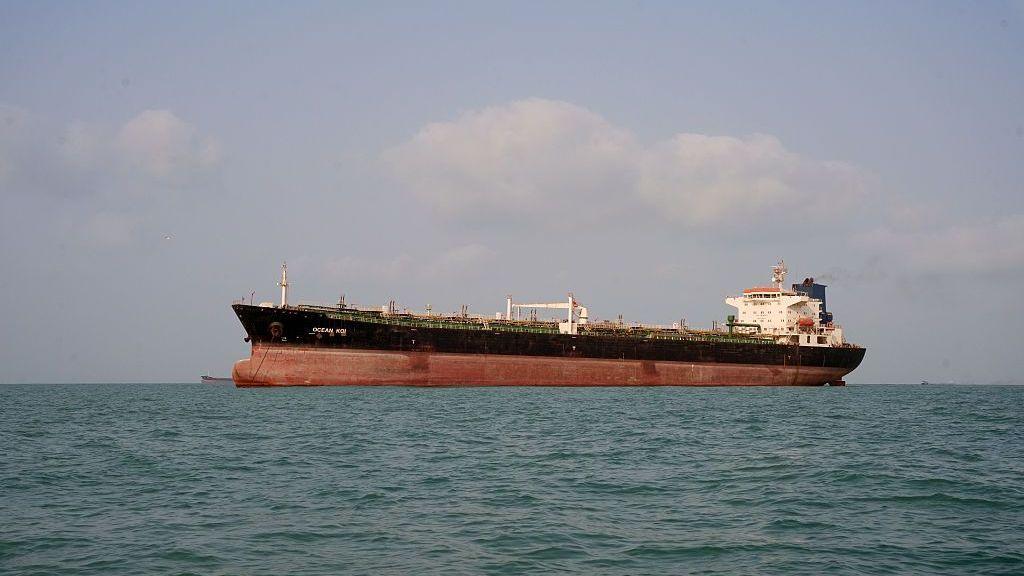
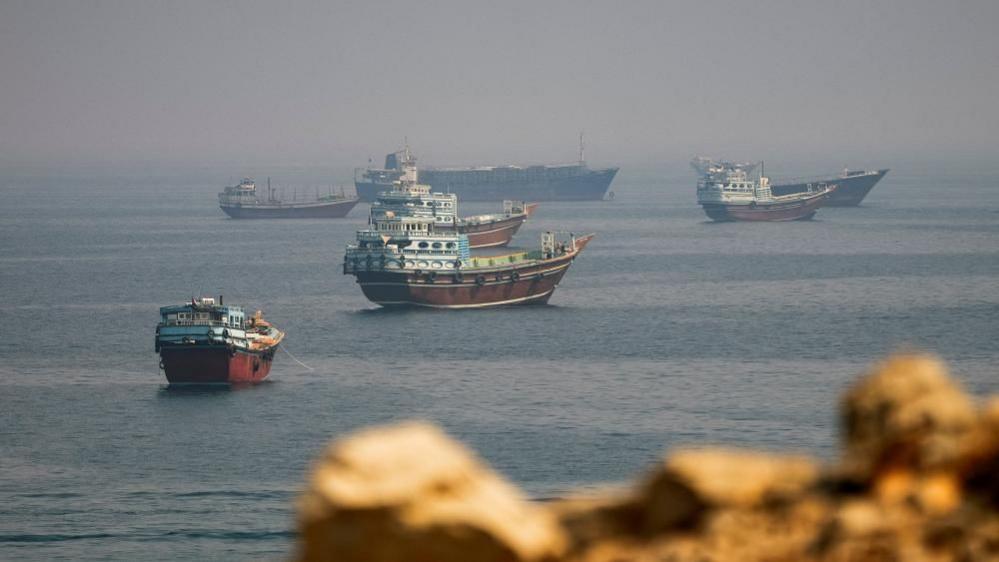
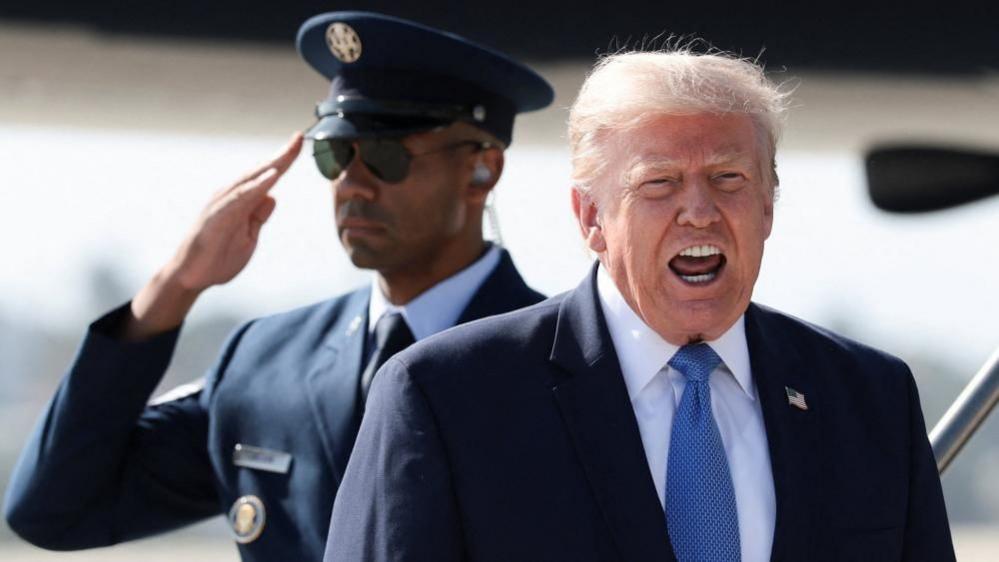
President Donald Trump said the iconic Strait of Hormuz would open "very soon" and that Iran would be "hit very hard" if commercial traffic did not resume, during a Fox News interview on Monday.
The remarks came after U.S. officials Marked a breakthrough: Secretary of State Marco Rubio and Treasury Secretary Scott Bessent said talks with Iranian and Omani authorities were progressing and that oil shipments could resume later this week.
On Tuesday, Brent crude prices fell nearly 5% to under $80 a barrel as markets expected the waiving of the blockade. By Wednesday the benchmark slipped another 0.7% during Asian trading, marking the lowest level since mid‑July.
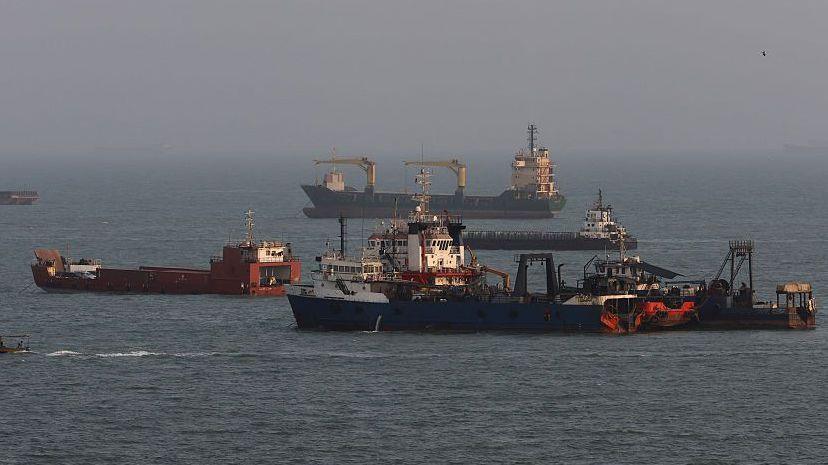
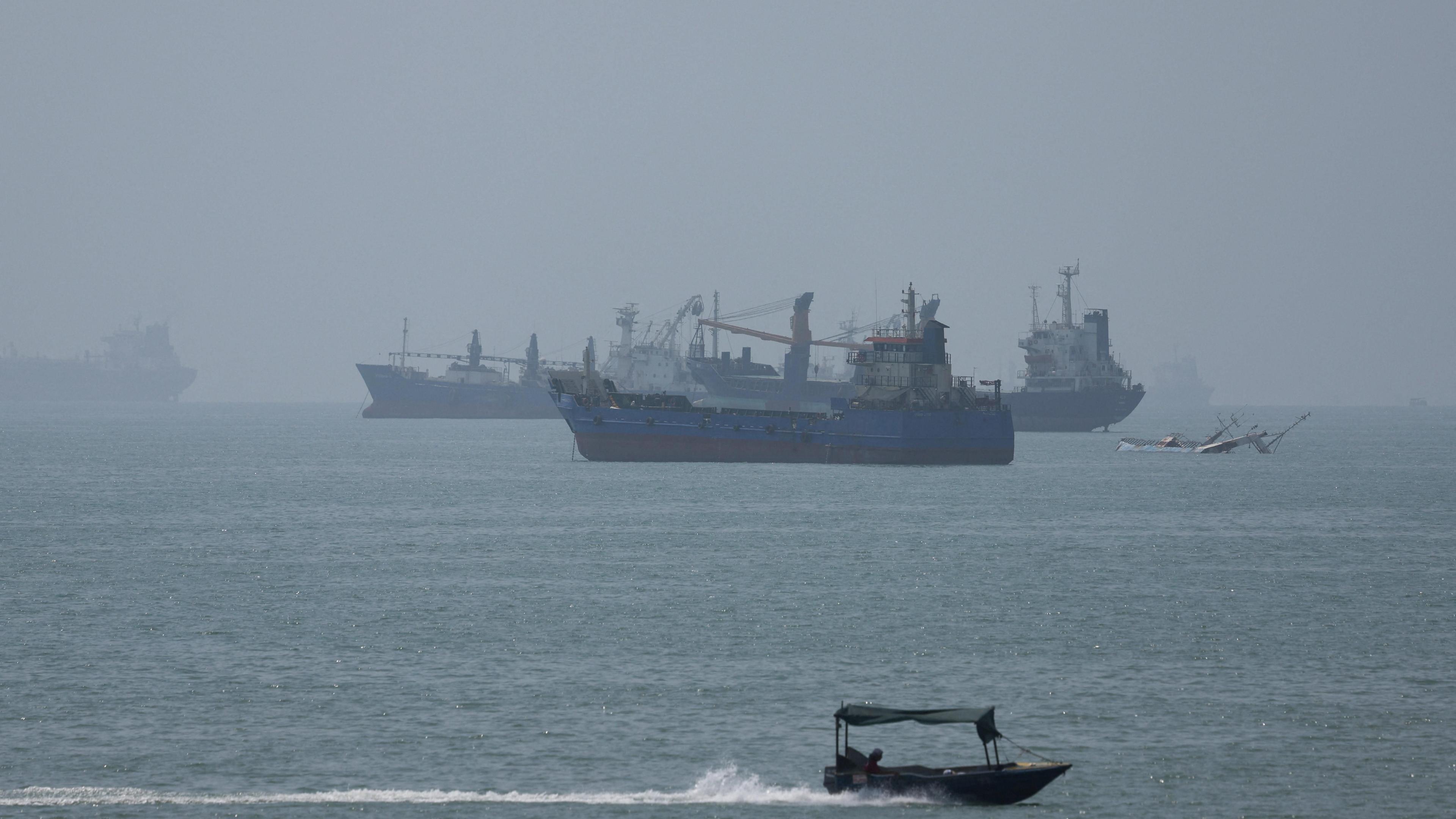
The U.S. Central Command has confirmed that the southern route through the Strait remains open for all commercial vessels. However, the prohibition imposed by Tehran since the conflict began has kept oil and natural gas flowing at only a fraction of pre‑war volumes.
While U.S. officials continue to push for a swift reopening, Iran has publicly declared it is not negotiating directly with Washington and instead is working with Oman, which has served as a key mediator.
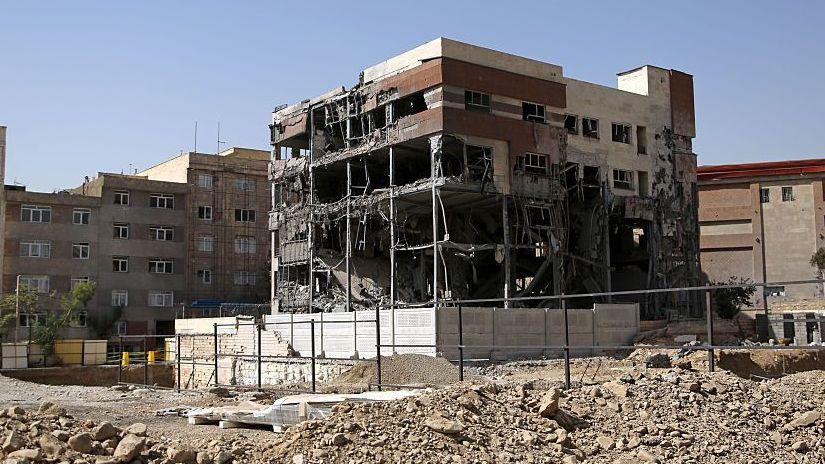
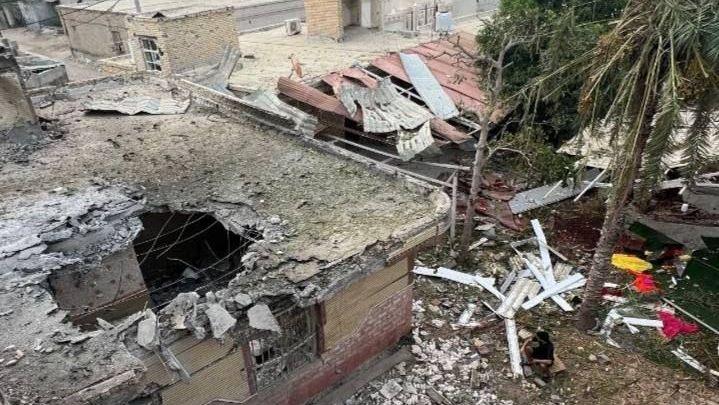
A U.S. source told the BBC that it had used most of its long‑range precision missile stockpiles in the middle of the conflict, underscoring the high stakes involved.
Incidents in the region—including a projectile attack that sank an Indian‑flagged vessel near Yemen and multiple assaults on shipping lanes—have heightened concerns that the threat to vessels was at its worst since the Iran war began.
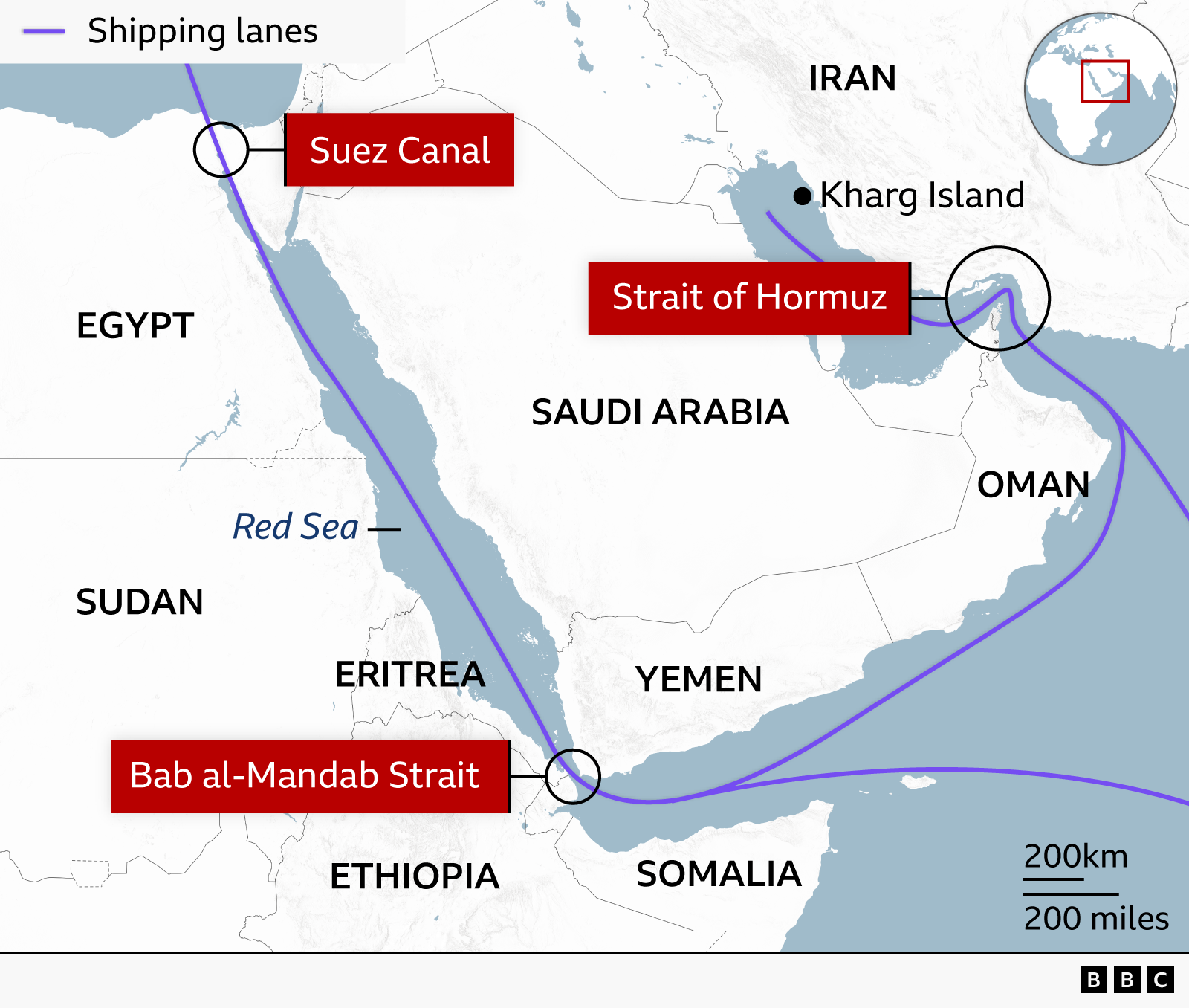
The latest developments promise to influence global fuel prices and the broader geopolitical landscape, especially as the United States and Iran eye a potential resolution to the standoff that has kept oil markets volatile.