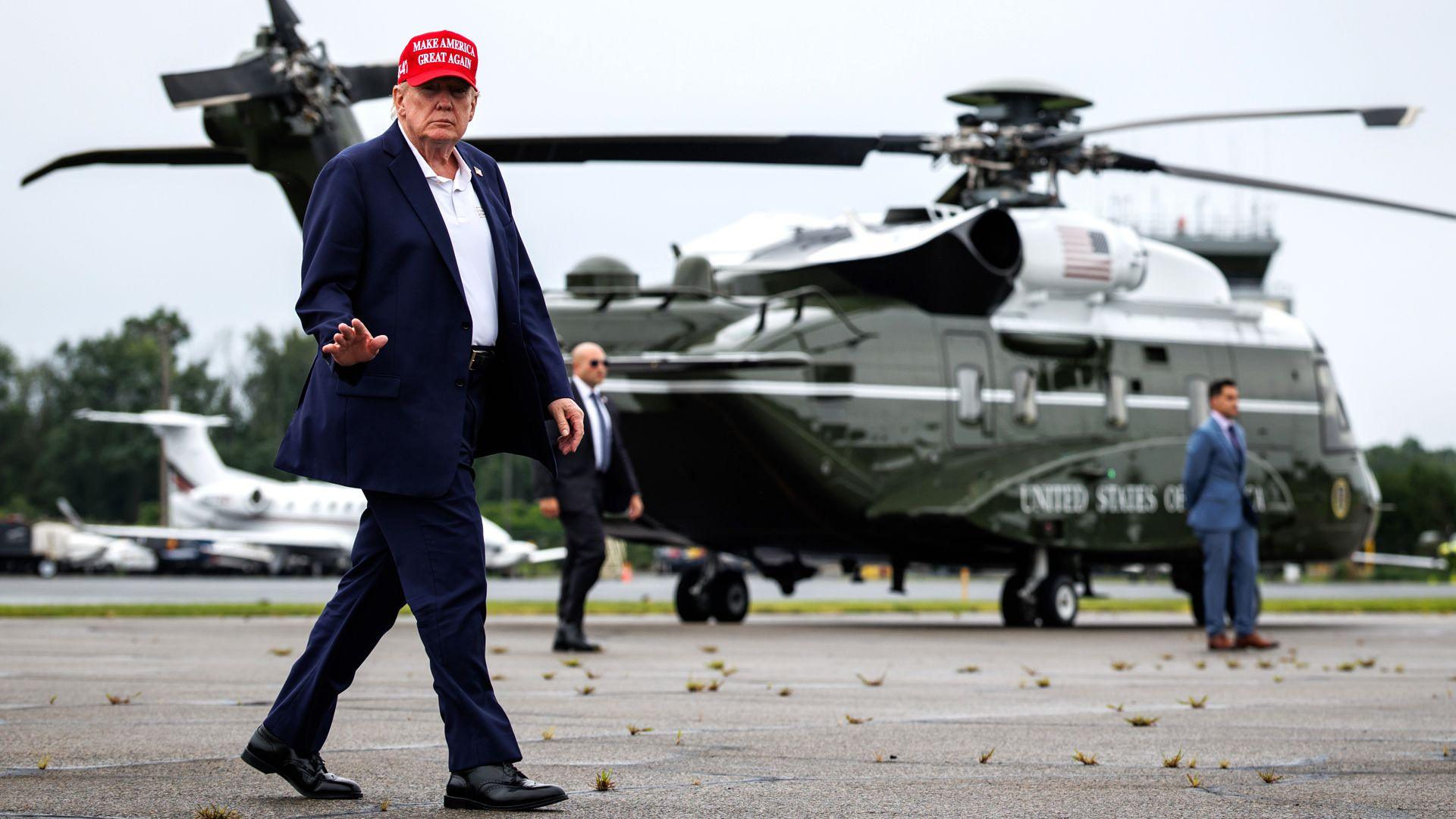
In a phone interview conducted by Fox News, former President Donald Trump reportedly threatened to bomb the Gulf state of Oman if the nation interfered with U.S.‑Iran talks aimed at reopening the Strait of Hormuz.
The strike, if carried out, would target a country that has historically positioned itself as neutral in the Iran‑United States conflict, yet has been a key partner in negotiating with Tehran over the waterway that transports roughly 17% of global oil shipments.
Trump’s remarks came after Iranian officials announced that a technical understanding had been reached with Oman to allow shipping through the Strait, a move that could signal a significant easing of regional pressure.
However, as the 60‑day Memorandum of Understanding (MoU) between Washington and Tehran approaches its expiration, officials on both sides have expressed uncertainty over the terms of any extended ceasefire or further dialogue.
While U.S. media sources emphasize the extremity of Trump’s statement, Iranian officials dismiss any claim of a direct backchannel with the Islamic Revolutionary Guard Corps, labeling it a “lie” born of the president’s “delusions and nightmares,” according to a spokesman for the Revolutionary Guards.
Experts note that the Strait of Hormuz is vital to the world economy, and any disruption could have far‑reaching implications for oil prices, regional security, and global supply chains. The situation underscores the complex interplay between national interests, diplomatic negotiations, and the geopolitical stakes of the Middle East.