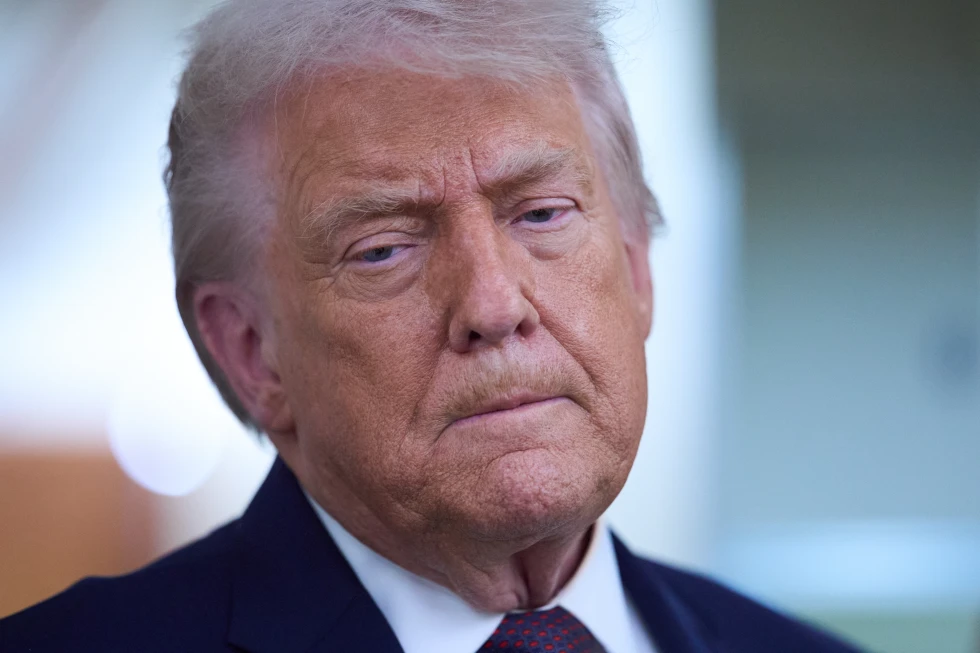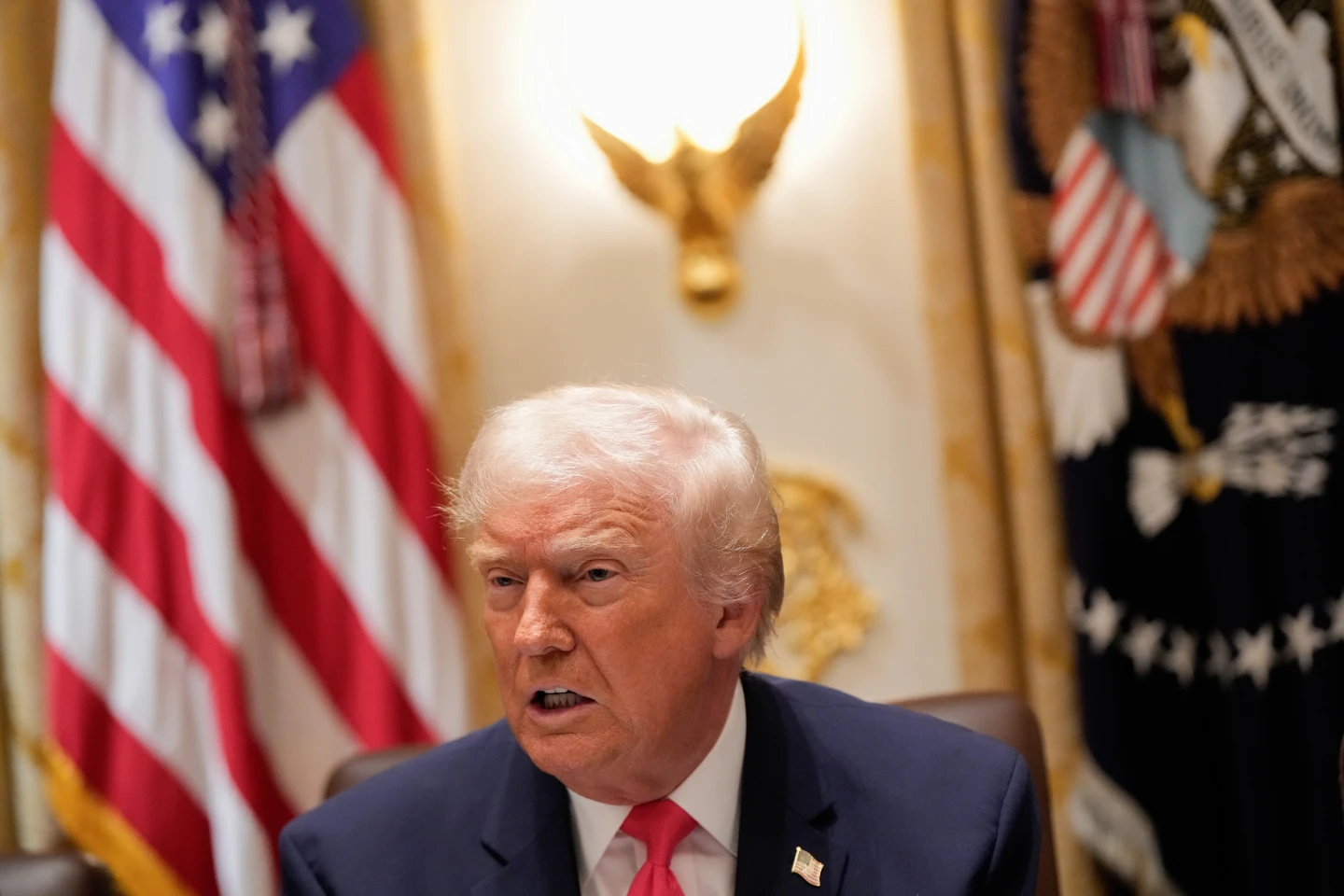
In a recent Cabinet meeting, President Donald Trump made controversial remarks regarding Somali immigrants in the United States, referring to them as 'garbage' multiple times. This marks an escalation in his anti-immigrant rhetoric, which has been evident since his campaign announcement a decade ago when he claimed Mexico was sending 'rapists' into the U.S.
During the meeting, Trump expressed a desire for Somali immigrants to 'go back to where they came from and fix it,' drawing applause from his Cabinet members, including Vice President JD Vance and Defense Secretary Pete Hegseth.
This rhetoric has reignited a long-standing debate in America regarding immigration and identity, emphasizing a divisive narrative that questions the legitimacy of Somali Americans and others based on their ethnic background.
Experts note that Trump's language has brought a normalization of derogatory expressions about immigrants into mainstream conversation. Historian Carl Bon Tempo noted, 'He has, in a way, legitimated this type of language that, for many Americans for a long time, was seen as outside the bounds.'
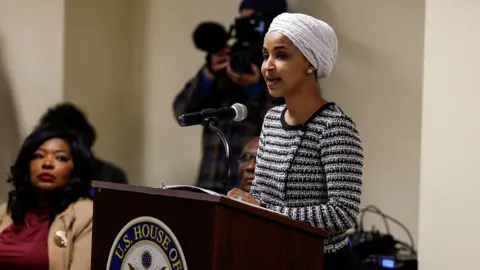
Trump's comments have elicited widespread condemnation both domestically and internationally. Somali expatriates express shock at the harshness of the president's words. Activist and Congresswoman Ilhan Omar, often a target of Trump's remarks, emphasized the need for resilience in the face of such rhetoric.
Trump's administration continues to take a tough stance on immigration, seeking to limit the flow of immigrants and revoking policies such as birthright citizenship. Recent polling indicates that while immigration remains a signature issue for Trump, public approval is waning.
This situation also raises questions about the future of U.S. immigration policy and the broader implications of Trump's language and actions on societal attitudes towards immigrants.