Trump’s Intelligence Appointment: Jay Clayton’s Senate Confirmation Amid Political Tensions
The U.S. Senate confirmed former U.S. attorney Jay Clayton as the next director of national intelligence (DNI) in a narrow 51‑47 vote on Tuesday, replacing Acting DNI Bill Pulte.
Clayton, who served in the Southern District of New York and oversaw high‑profile prosecutions including the drug trafficking case involving former Venezuelan president Nicolás Maduro, has long been touted by the Trump administration as a seasoned legal expert.
It followed the controversial appointment of Bill Pulte—Trump’s original nominee—who had no prior intelligence experience and whose tenure as a federal housing regulator raised concerns about political motivations and significant staff cuts. The Senate’s choice of Clayton stems from a desire among lawmakers for a DNI with a more conventional background.
Following his confirmation, Trump posted a brief endorsement on Truth Social, writing that “Jay is outstanding in every way, and will do a spectacular job as Director.”
The confirmation follows a period of turbulence in the intelligence community, marked by the resignation of Tulsi Gabbard last month, who had briefly served before being replaced by Pulte.
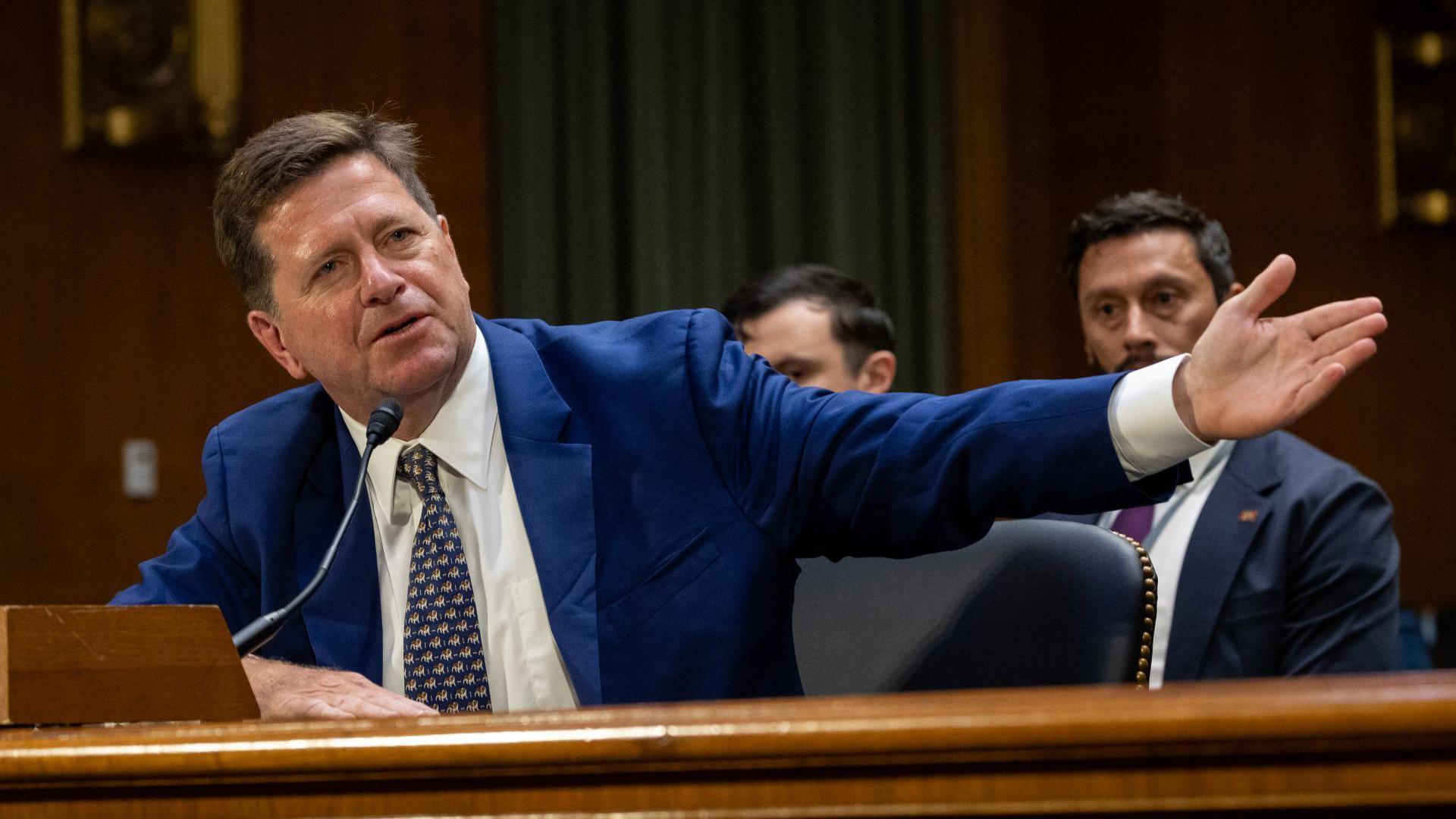
During Clayton’s confirmation hearing, senators raised concerns about the possibility that he may be susceptible to political pressure. Senate Intelligence Committee Vice‑Chair Mark Warner expressed serious reservations, saying he hoped Clayton would prove those concerns unfounded. The debate highlights enduring tensions over the independence of the intelligence community.
The new appointment also has implications for Congressional negotiations on Section 702 of the Foreign Intelligence Surveillance Act (FISA). The legislation allows the U.S. government to collect communications involving foreign targets without an individual warrant, and has been a focal point for Trump’s push to renew the provision.
Senate Majority Leader John Thune stated that Clayton’s confirmation might encourage legislators to move past blocking FISA reauthorization, potentially reshaping the U.S. intelligence oversight landscape in the coming months.