In brief
A team of divers and archaeologists led by Hakan Öniz discovered an Early Bronze Age shipwreck off Turkey’s Kekova Island, dated to 4,400‑4,700 years old. The corroded hull was lost, but more than 30 amphorae and stone anchors remained intact on the seabed, helping scientists date the vessel through pottery styles. The cargo contained viscous residues that may have been olive oil, wine or tree resin, indicating the trade routes to Troy and Crete. The find sets a new record for the oldest known shipwreck, surpassing the earlier benchmark off Greece. The artifacts will soon be displayed at the new Mediterranean Underwater Archaeology Museum in Antalya.
A diversified team of divers and archaeologists, led by Professor Hakan Öniz of Akdeniz University, has revealed a shipwreck that dates back to the Early Bronze Age, setting a new record for the world’s oldest known wreck.
Where It Was Found
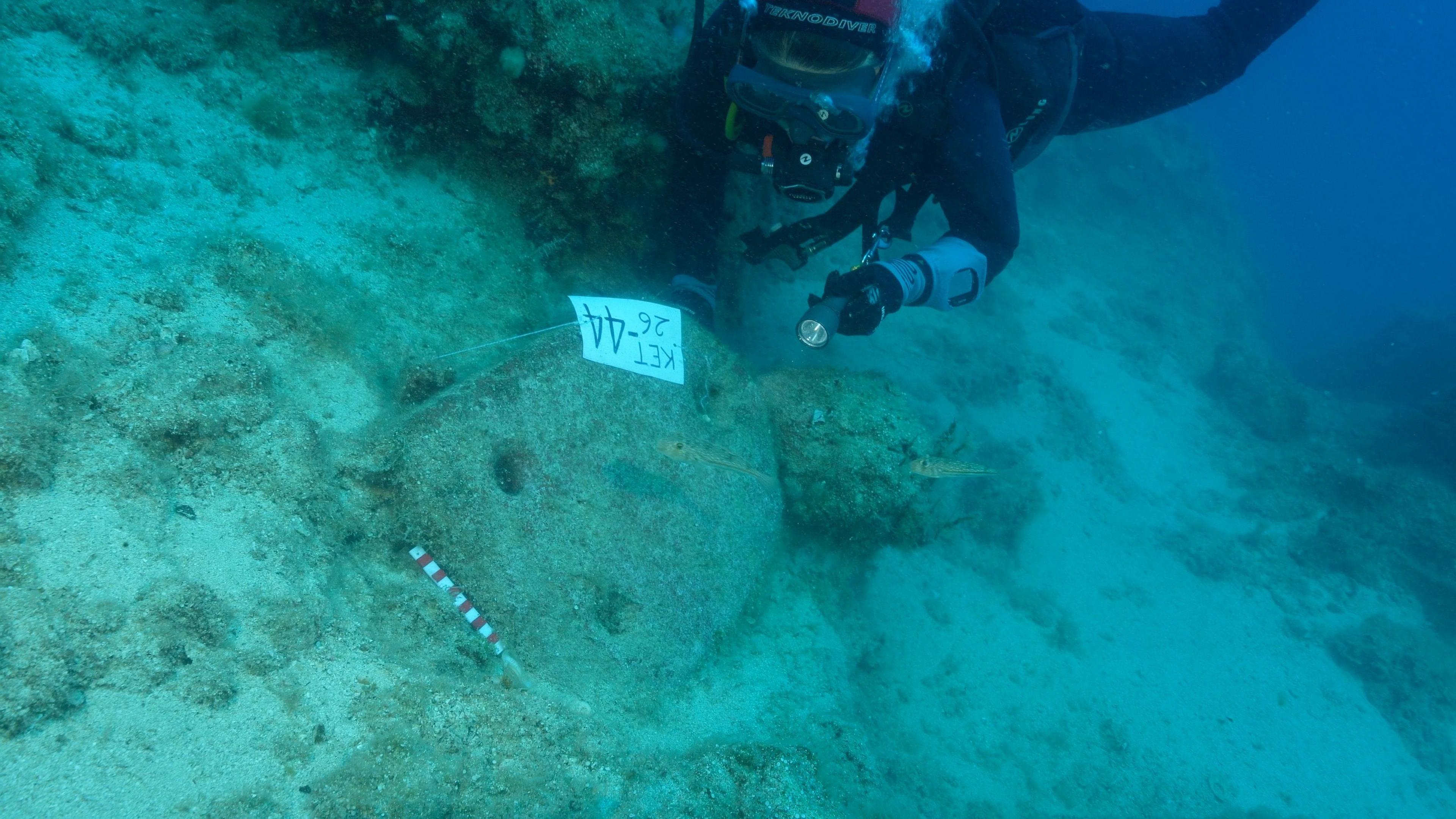
The wreck lies about 30 metres beneath the waves off the coast of Kekova Island in Antalya, Turkey. Divers discovered a scattering of stone anchors, amphorae, and the wreck’s wooden frame collapsed on a shallow underwater slope.
Dating the Vessel
Because the ship’s timber was destroyed, radiocarbon dating was impossible. Instead, researchers compared the amphorae’s distinctive two‑handled, ridge‑lined form with known pottery styles from Egypt and the Middle East, firmly placing the wreck in the 4,400‑4,700 year range.
What Remained on Board
Despite millennia underwater, many amphorae still contain a viscous, glossy residue. Dr Karin Sowada of Macquarie University noted that the material could be olive oil, wine, or tree resin, revealing the goods traded across the eastern Mediterranean.
Trade Routes and Historical Context
The crew likely set out from the eastern Mediterranean and was headed toward either ancient Troy or the Minoan civilization on Crete. This find highlights the extent of maritime trade during the Early Bronze Age and underscores the navigational challenges near Kekova, famed for its treacherous currents.
Future of the Artefacts
The Turkish Ministry of Culture will display the recovered amphorae and anchors in the new Mediterranean Underwater Archaeology Museum in Antalya once it opens. The museum will offer researchers and the public a chance to witness this unparalleled slice of seafaring history.
Record‑Breaking Discovery
This wreck is now the oldest known shipwreck off Earth’s coast, surpassing the previous holder off Greece’s Dokos Island at 4,200 years. The only older intact wreck—preserving wood—was found in the Black Sea off Bulgaria, dating to about 2,400 years ago.
The discovery illustrates how meticulous underwater archaeology and scientific analysis can illuminate ancient societies, enriching our understanding of early human maritime networks.