In brief
The International Atomic Energy Agency (IAEA) voted to refer Iran to the UN Security Council for alleged non‑compliance with the Non‑proliferation Treaty, citing limited data on enriched uranium stocks and denied inspector access. Tehran blamed U.S. and Israeli strikes on its nuclear sites for hampering inspections and urged a broader settlement. Despite 23 votes in favour, sanctions are unlikely as China and Russia hold veto power. The decision underscores the geopolitical tension surrounding Iran’s nuclear programme and regional security dynamics.
The IAEA Board of Governors has passed a resolution referring Iran to the United Nations Security Council for alleged non‑compliance with its obligations under the 1968 Non‑proliferation Treaty. It is the first such referral in two decades.
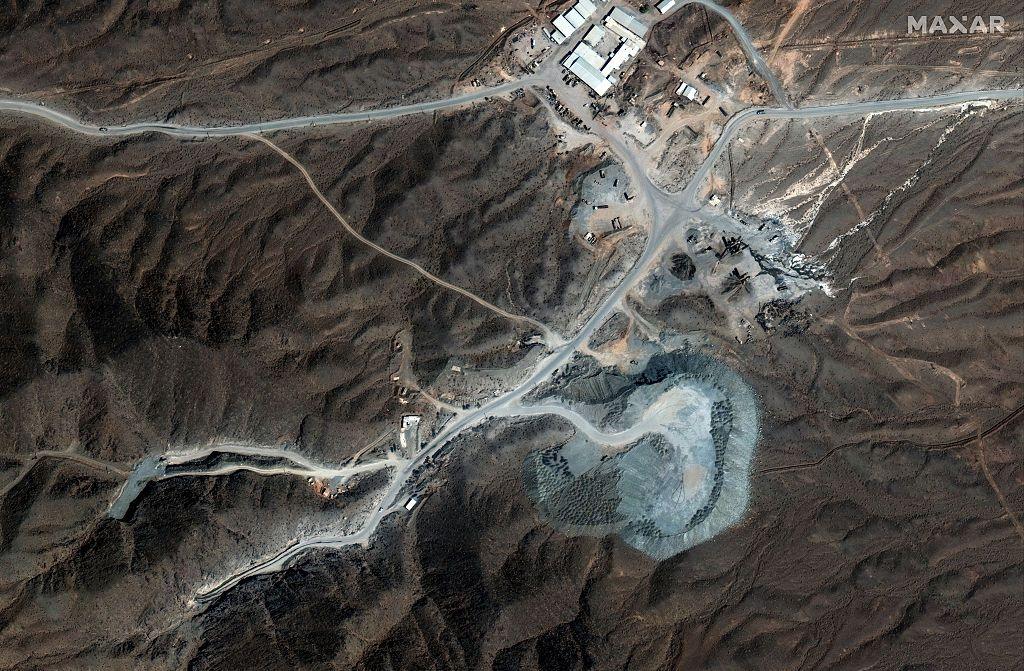
The resolution cites two main concerns: Iran’s limited disclosure of the size and status of its enriched‑uranium stockpile, and the lack of inspection access at key sites such as Natanz and Fordo.
Tehran rebutted the decision, blaming U.S. and Israeli airstrikes on its nuclear facilities in June and February 2025 for disrupting normal inspection routines. The Iranian government demands that any broader settlement include safe‑keeping of inspector access.
Although 23 countries endorsed the resolution and eight abstained, sanctions are unlikely to follow because China and Russia hold veto powers in the Security Council. Both nations, along with Niger, voted against the proposal.
The move highlights how regional security dynamics intersect with the global non‑proliferation framework. It also underscores the complexity of balancing national sovereignty with international oversight.
- Resolution drafted by the United Kingdom, France, Germany and the United States.
- China, Russia and Niger opposed the recommendation.
- Iran reportedly holds about 440kg of 60% enriched uranium, which can be converted to weapons‑grade material.
For the full IAEA board report: gov2026‑61.pdf