In brief
In Washington, D.C., President Donald Trump opened a delayed Fourth of July rally with remarks that rolled into a massive fireworks display aimed at setting a record for the largest show in the United States. The celebrations, punctuated by a new Air Force One jet flyover and a concert featuring notable musicians, ran into thunderstorms that forced a temporary evacuation of the National Mall. While the nation marked its historic birthday with spirit and spectacle, sweltering heat waves stretched from the East Coast to the Midwest, canceling festivities in several states and leaving hundreds of thousands without power. Alongside the celebrations, a white‑nationalist group marched in the capital, and patriotic ceremonies—including a time‑capsule burial and a naturalisation ceremony at Mount Vernon—added solemn layers to the day’s pageantry. Former presidents—including Joe Biden, Barack Obama, George W. Bush, and Bill Clinton—issued reflections on the enduring promise of the Declaration of Independence and the work that still lies ahead.
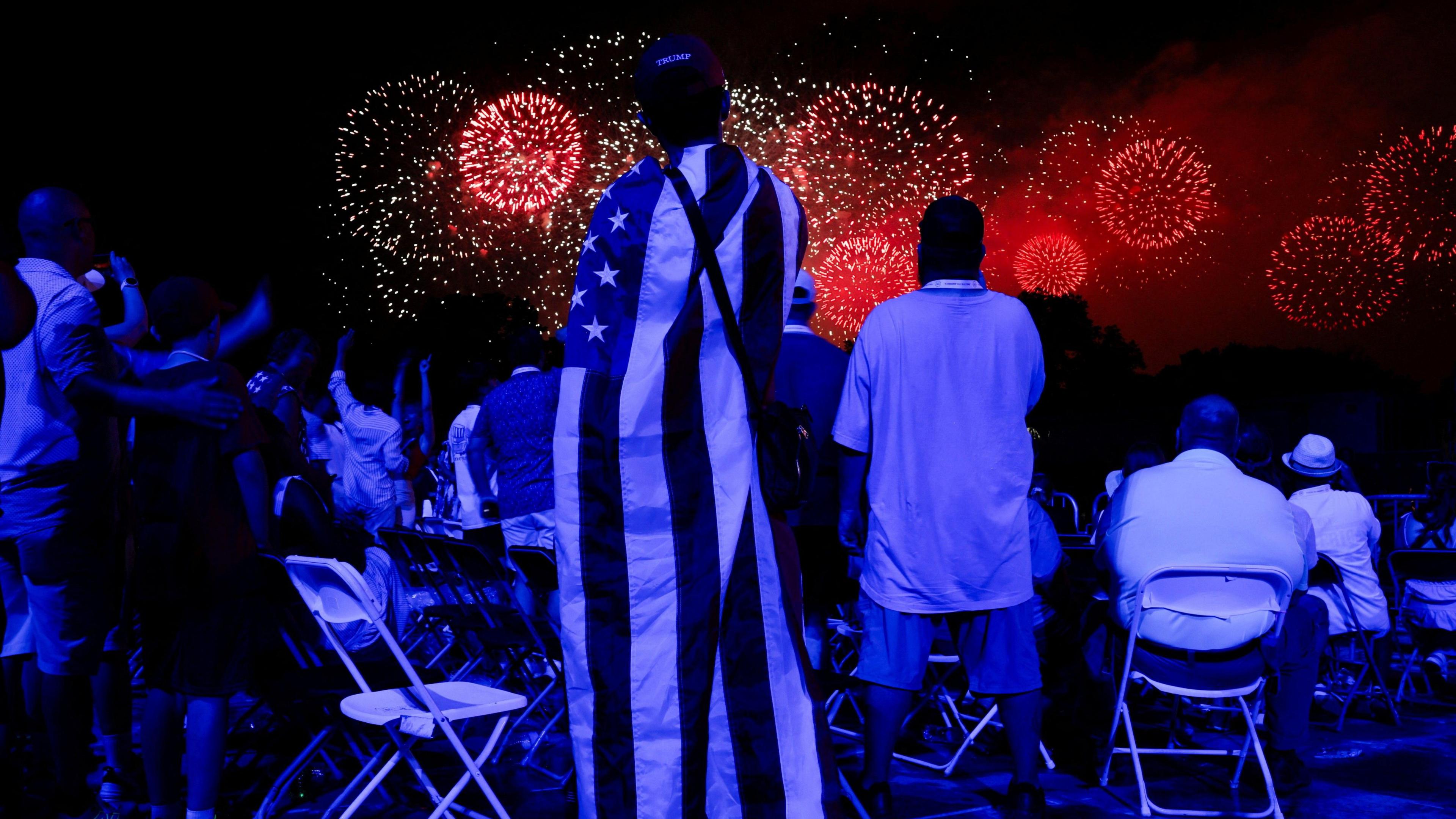
Washington, D.C., was aflame with light on July 4th as President Donald Trump addressed a cheering crowd on the National Mall before the nation’s biggest fireworks display ever illuminated the sky. The show, a record‑setting array of 850,000 fireworks, followed a delayed rally that also saw a new Air Force One jet perform a dramatic flyover.
Trump’s speech centred on opposition to communism, the New‐Conservative Save America Act, and the right to bear arms. He concluded, “Long live the cause of independence. The next 250 years require us to be citizens, not spectators.” His remarks were followed by a slow‑burn fireworks finale that ended in a gentle rain five minutes after midnight.
The celebrations were compromised by a severe heat wave that had temperatures hitting 108°F in parts of Delaware and New Jersey, prompting governors to cancel fireworks and parades across several states. Over 750,000 people on the east coast lost power, while another 150,000 households in New Jersey experienced power outages. Michigan’s DTE reported that winds of up to 60 mph left 350,000 homes without electricity.
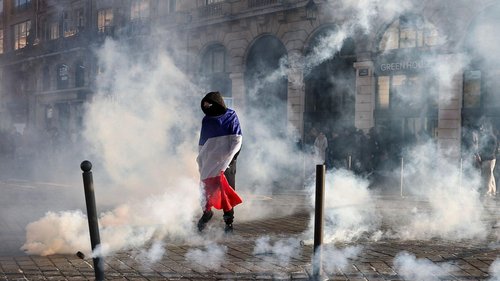
While the festive atmosphere prevailed, a group of about 400 white‑nationalists from Patriot Front marched in unison near the Capitol, carrying U.S. flags and wearing masks, in an act that drew media attention and raised concerns about public safety.
Aside from the high‑profile events in the capital, the whole country joined in quieter “America 250” celebrations. A time‑capsule containing a Coca‑Cola bottle, a signed copy of the Constitution and artifacts from every state and territory was buried at Mount Vernon, whose grounds witnessed a naturalisation ceremony that welcomed 150 new citizens from 50 countries. In Philadelphia, musicians such as Ne‑Yo, Mary J. Blige, The Smashing Pumpkins, and Chaka Khan performed alongside Clinton, Bush, and Obama’s remarks.
Former presidents offered reflections on the anniversary. Biden reminded Americans that the Declaration’s promise of equality still needs action. Obama urged a continued pursuit of the founding ideals. Clinton warned that the nation’s institutions are under threat, while Bush called for active citizenship. The messages framed the day as a turning point for continued vigilance and progress.
Together, the fireworks, flyovers, speeches and protests painted a complex picture of a nation celebrating a milestone that, while bright, still faces significant social, political and environmental challenges.