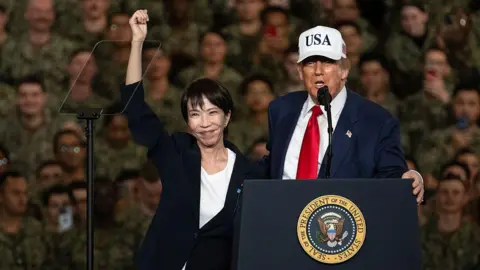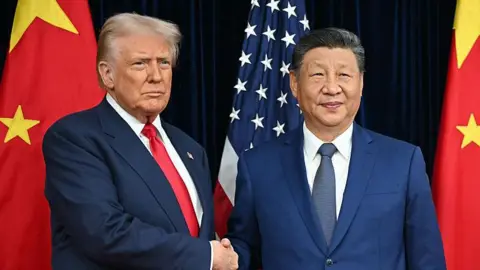
US President Donald Trump announced that he has reached a trade deal with India's Prime Minister Narendra Modi, establishing a new framework for economic cooperation between the two nations. The deal will lower tariffs on goods imported from India from 25% to 18%. In a post on Truth Social, Trump expressed that Modi also committed to halting purchases of Russian oil, leading to the removal of a 25% tariff penalty previously imposed due to India’s oil imports from Russia.
The announcement coincides with India's recent landmark trade deal with the European Union, which ended nearly two decades of negotiations. Modi expressed his delight about the newly formed agreement on social media, reinforcing the idea that collaboration between the world's largest democracies benefits both countries.
Trump indicated that during their morning call, they discussed trade issues alongside the ongoing Russia-Ukraine war. He revealed that the deal includes India agreeing to buy over $500 billion of American goods across various sectors, including energy, technology, agriculture, and coal. This marks a significant pivot for India, particularly following the strain caused by Trump's previous tariffs, which had severely affected Indian exports to the US.
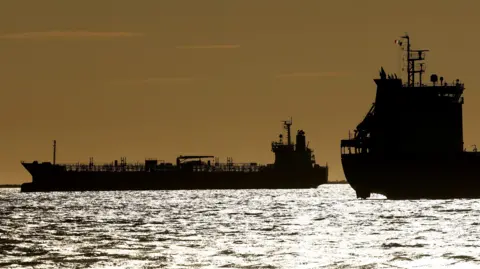
A White House official confirmed that the trade agreement includes removing the tariffs linked to Russian oil, which had previously fueled tensions between Washington and New Delhi. Modi expressed gratitude to Trump for the agreement, emphasizing the potential for mutual growth and cooperation between their economies.
However, despite the celebratory tone from officials, some US businesses have criticized the deal. The coalition We Pay the Tariffs highlighted that the new agreement still locks in a comparatively high tariff rate, far exceeding the typical rates of previous years. Concerns about long-term impacts on US consumers and businesses continue to surface as the nations work to navigate their economic relationship against a backdrop of escalating tensions with other global partners.
This newly forged alliance comes at a critical juncture as both countries adjust their trade strategies amid rising nationalism and protectionism in global markets. The ongoing developments suggest that while the US-India partnership is strengthening, external pressures and new deals may reshape the dynamics further in the near future.