US and Iran agree to stand down after a brief exchange of strikes, officials said today in a surprised move that offers a moment of respite in a turbulent region.
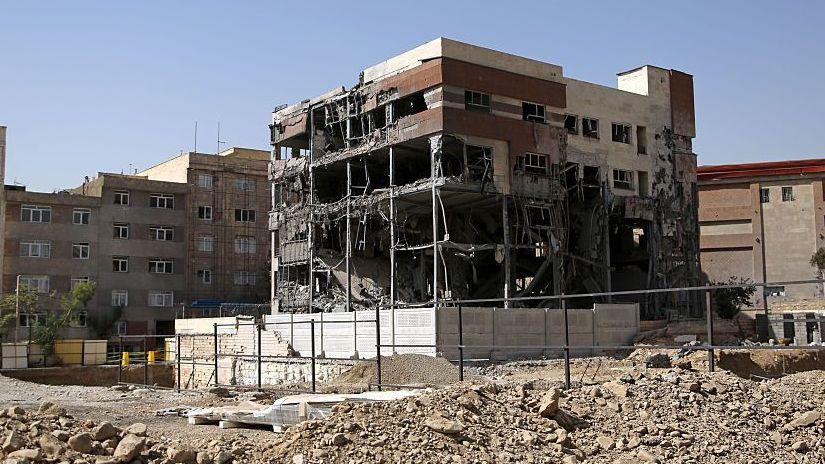
On Sunday, a U.S. spokesperson told the British Broadcasting Corporation that shipping lanes in the Gulf would be "freely accessible" following a four‑day flare‑up involving airstrikes on Iranian targets and retaliatory attacks on U.S. bases in Kuwait and Bahrain. The U.S. has described its response as a "direct response" to what it called continued aggression against commercial vessels.
The agreement follows a 14‑point Memorandum of Understanding signed on 17 June, which calls for an immediate and permanent termination of military operations on all fronts and obligates Iran to facilitate the passage of commercial vessels at no charge for sixty days.
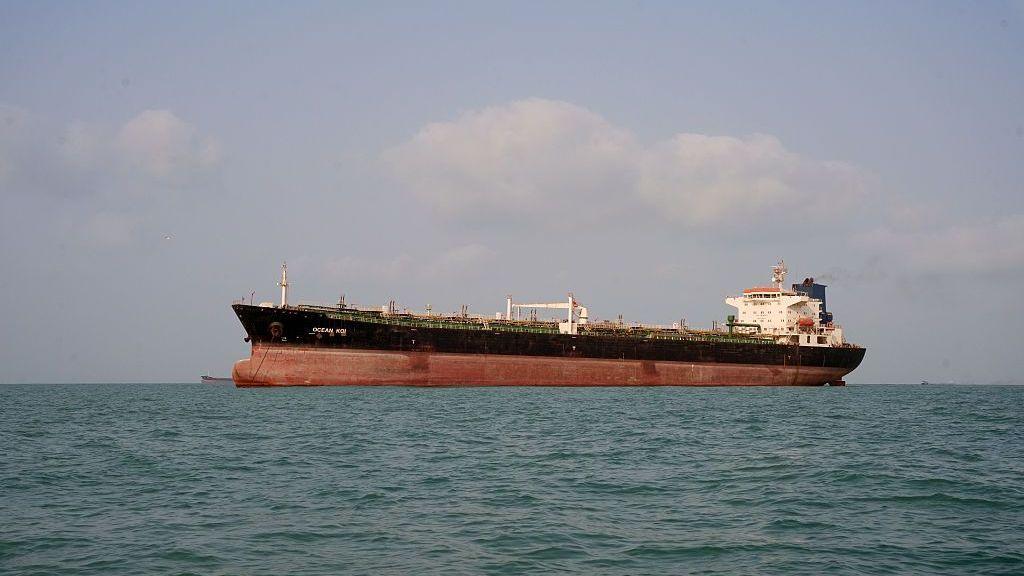
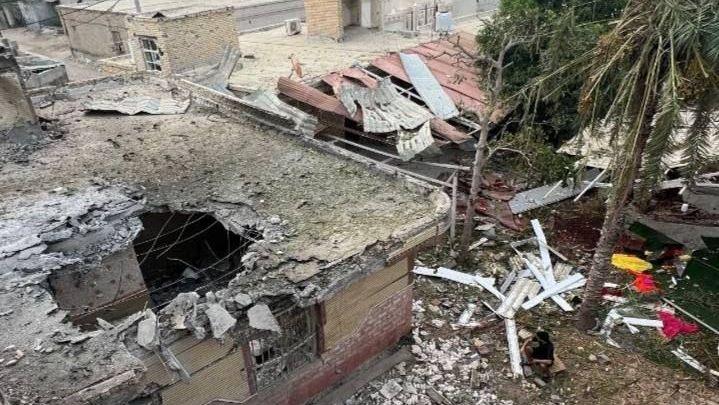
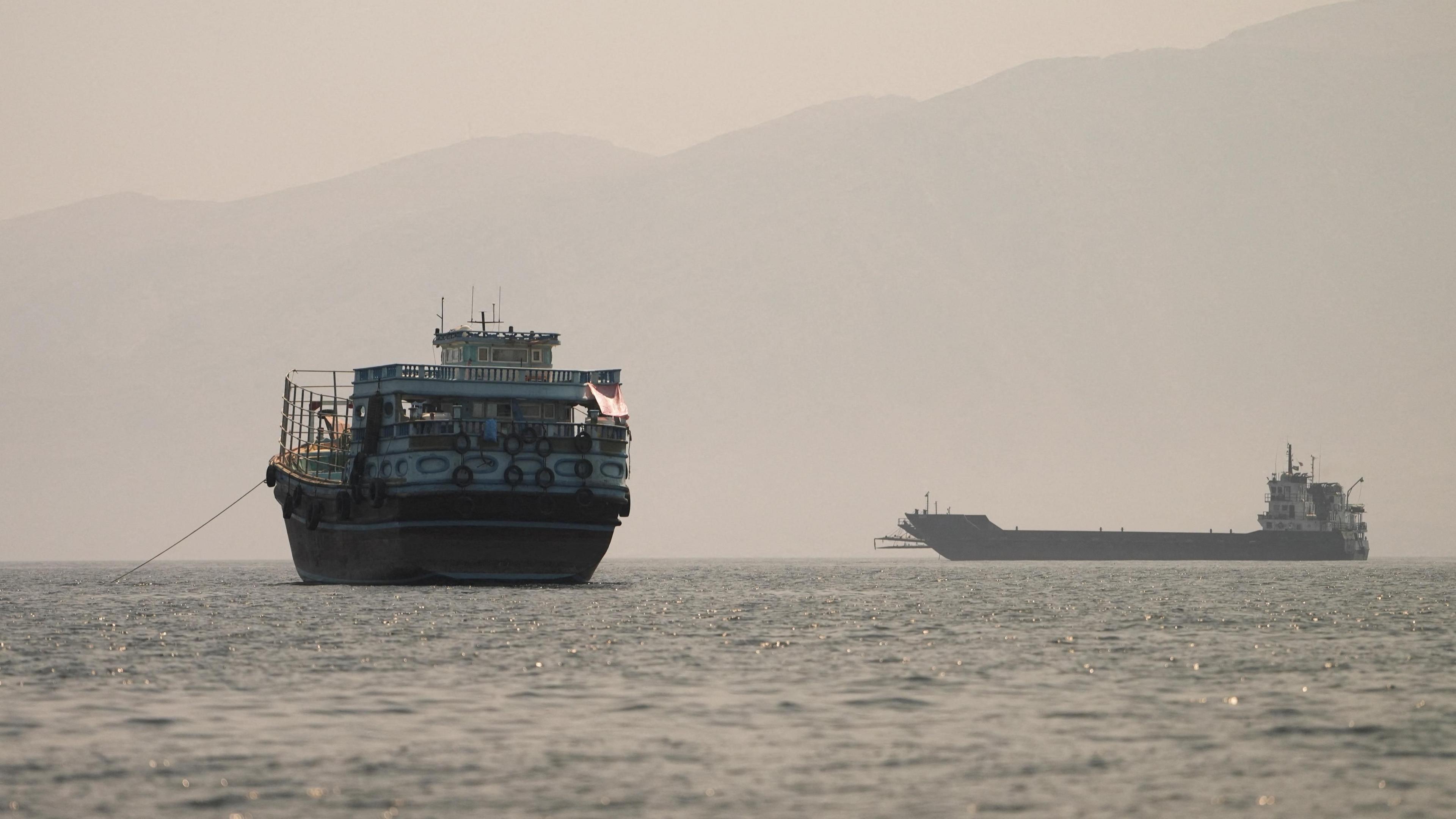
Despite the MoU, the ceasefire has been tested in recent days. On Thursday, a projectile fired from Iran struck a cargo ship in the Strait of Hormuz, prompting U.S. retaliation. Iran replied with strikes targeting U.S. facilities, though the U.S. confirmed none of the attacks hit their intended targets and recorded no casualties.
The U.S. also highlighted its role in mediating a new framework agreement between Israel and Lebanon, aiming to foster a broader ceasefire in that region. However, the agreement has faced objections from Hezbollah, which has called it a violation of Lebanon’s sovereignty.
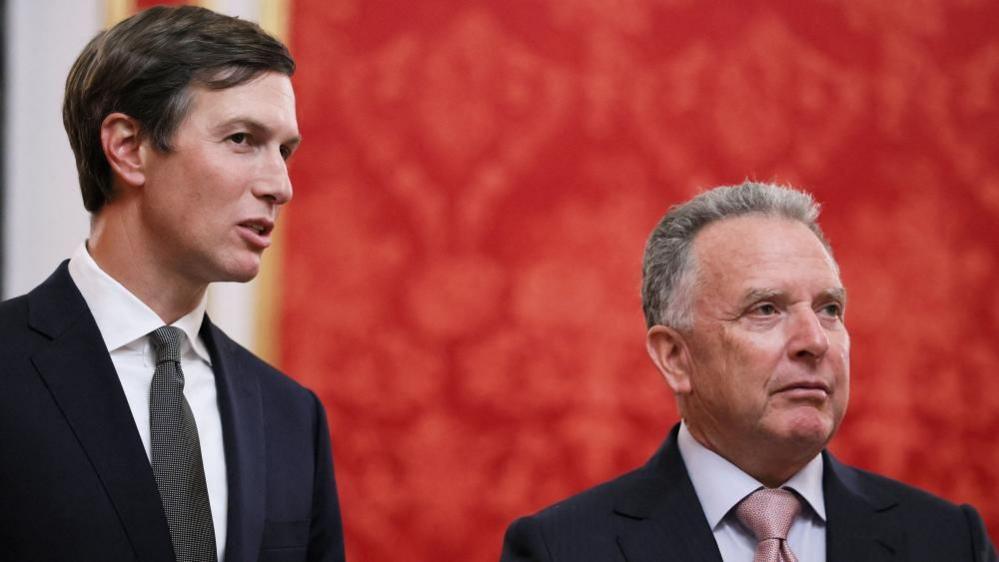
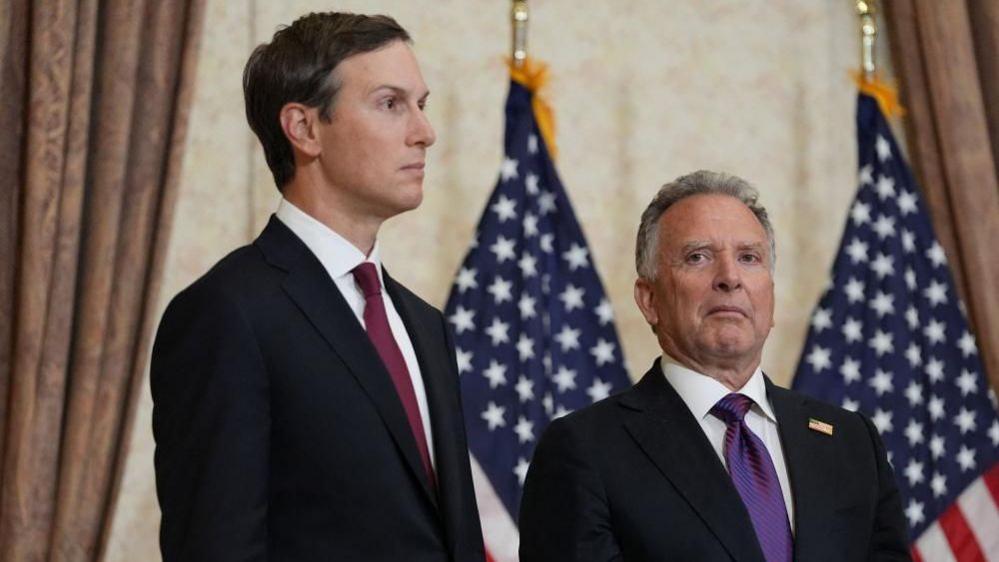
In a public tweet, President Donald Trump announced a meeting in Doha, Qatar, stating, "IRAN HAS REQUESTED A MEETING. IT WILL TAKE PLACE TOMORROW IN DOHA!" The White House later confirmed that officials, including special envoy Steve Witkoff and Jared Kushner, were scheduled to travel to Doha for high‑level talks on a permanent ceasefire.
Iranian Deputy Foreign Minister Kazem Gharibabadi denied that technical talks were set for the week, emphasizing that the country remains unwilling to accept further military actions as a precondition for official dialogue. Meanwhile, U.S. officials maintain that the ceasefire will be maintained and that the MoU represents a genuine step toward lasting stability.
Analysts view the stand‑down as a strategic pause that could prevent the conflict from spiraling outward. However, the fragility of the agreement points to a looming risk of renewed hostilities if either side deems the other’s actions a breach of the newly signed terms.