In brief
On 30 August, U.S. forces targeted two rocket launchers on Larak Island in the Strait of Hormuz, killing two and wounding others. Iran’s IRGC vowed retaliation and launched missiles at U.S. bases in Jordan. Iranian forces reported drone attacks on a United Arab Emirates air base, while the UAE insisted the strike was untrue. The U.S. claims its action was limited and aimed at preventing Iranian mines, whereas Iran accuses it of widespread aggression. The incident escalates tensions over energy routes and regional security.
On 30 August, a U.S. Central Command detachment knocked out two rocket launchers parked on Iran’s Larak Island, immediately after the country had claimed to be preparing rockets and sea mines for the Strait of Hormuz. The strike accounted for two fatalities and injured two others, according to Iranian Revolutionary Guard Corps reports.
The U.S. stated the operation was "limited and precise", aimed at deterring further Iranian weapon deployments in the vital waterway. Iran’s state media, however, said it had launched ballistic missiles at U.S. bases in Jordan’s King Hussein and Al‑Azraq facilities, a claim the Jordanian army said was intercepted before impact.
In a counter‑statement, Iranian forces allege they targeted a UAE air base in Al‑Minhad with drones, which the UAE Ministry of Defence denied, affirming the base was not hit but a drone was shot down.
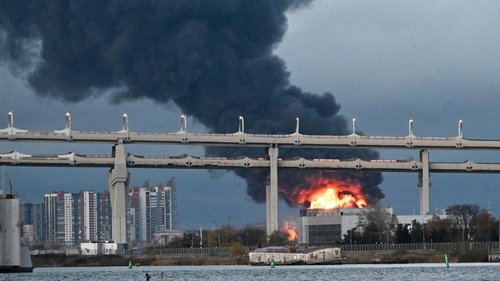
The U.S. also dismissed earlier reports that a supertanker had struck sea mines and caught fire, labeling the claim an attempt at disinformation.
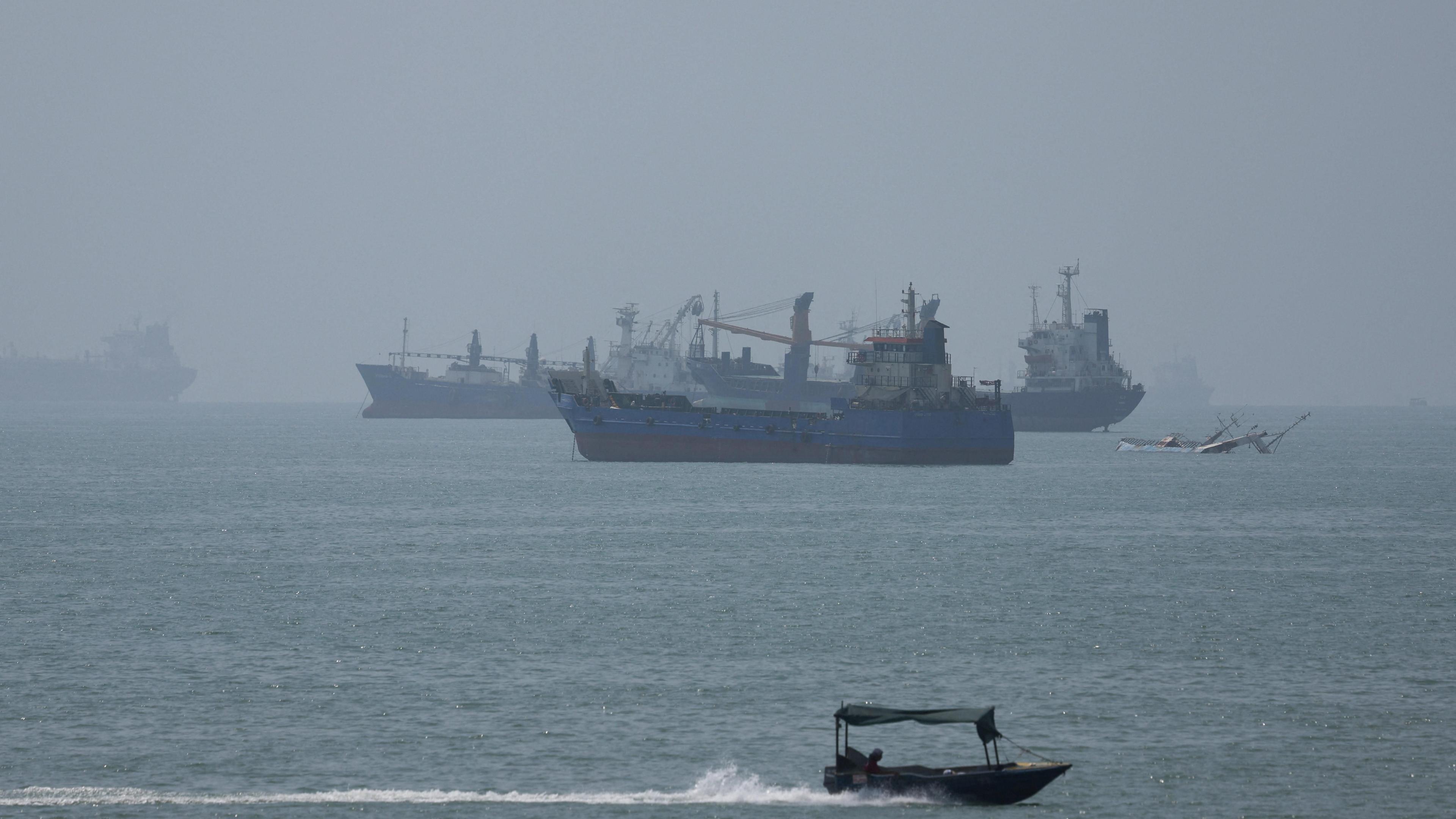
The conflict, which began in February, has left the Strait of Hormuz effectively closed, creating global oil price volatility. Iran now requires all tankers passing near Larak to undergo checks and pay a fee, a move interpreted by many as a further attempt to control shipping flow.
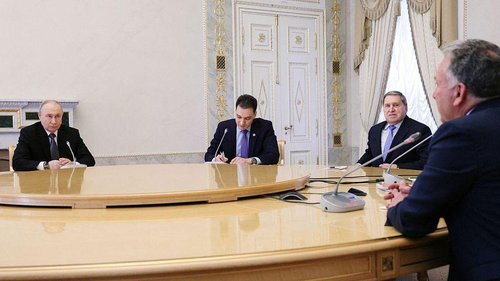
President Masoud Pezeshkian declined to call for war yet vowed a decisive response to aggression. Overnight, former President Trump amplified the situation on social media with seemingly AI‑generated images of Iranian oil facilities exploding, a move that underlines the heightened narrative conflict surrounding the region.