In brief
The United States is set to announce an agreement that would grant Saudi Arabia a civilian nuclear program, a move that could shift regional power balances and raise concerns about arms proliferation. The plan, reportedly green‑lighted by the Trump administration, would allow Saudi firms to build an enrichment facility under U.S. oversight, offering a potentially lucrative opportunity for American companies. The proposal has faced criticism from Israeli nuclear experts, who warn it could ultimately lead to Saudi nuclear weapons, and from non‑proliferation advocates, who fear a destabilizing effect in the Middle East. Dialogue, however, remains open, and the U.S. Congress will soon deliberate on the strategic and diplomatic repercussions of this unprecedented move.
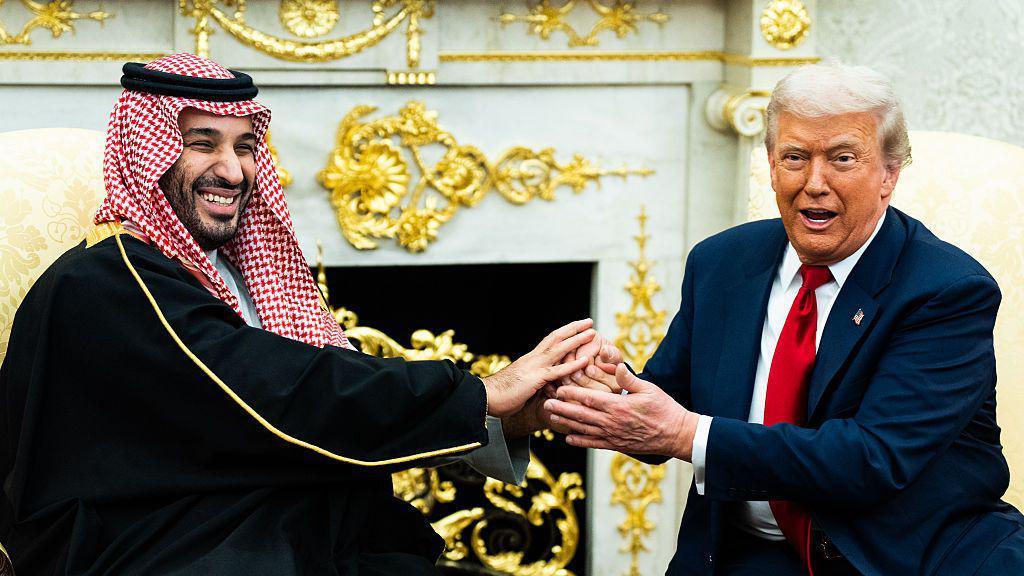
In a move poised to redraw lines of the Middle Eastern security map, the United States is poised to unveil a treaty that would enable Saudi Arabia to develop a civilian nuclear program. According to U.S. media reports, the deal—already approved by the Trump administration—will be announced on Wednesday and could span thirty years.
If signed, the agreement would allow Saudi firms to construct a U.S. built enrichment facility on Saudi soil, permitting the kingdom to produce enriched uranium for its power plants. While the fuel could power homes and hospitals, experts warn the technology also underpins weapons potential.
The plan would distinguish it from a 2009 U.S. treaty with the United Arab Emirates, a deal that barred the Gulf neighbor from developing its own nuclear fuel. Proponents argue that a U.S. governed enrichment site on Saudi territory is safer than using foreign facilities, yet critics maintain it relocates the risk baseline and could attract further proliferation interests.
Israeli nuclear specialists have voiced alarm that the new arrangement might eventually ripple into the ability of Saudi Arabia to produce a nuclear weapon, a threat that Israel’s strategic calculus has long included. Likewise, U.S. Congress members from both parties express doubts about how the treaty could affect the regional balance, although the Republican majority of the House and Senate grants the president a leverial advantage.
The deal’s impact on diplomatic ties with Israel remains uncertain; despite past U.S. encouragement for a formal Saudi–Israeli normalization, the treaty has no explicit conditionality on that front, according to reports from the New York Times. The emerging policy will also influence the United States‑Iran dialogue, where nuclear proliferation remains a core sticking point.
As the United States prepares to send the proposal to Congress, the international community watches the balance between economic opportunity, domestic political calculus, and the imperatives of global non‑proliferation. The official confirmation of the treaty’s details will arrive in the coming days, signifying a premier shift in the region’s nuclear profile.