In brief
In a move aimed at safeguarding national security, the U.S. Federal Communications Commission announced a ban on foreign-made humanoid robots and power inverters. The prohibition targets advanced machines produced in China, a country noted for its rapid robotics development. Beijing has condemned the decision as politically motivated, while U.S. officials emphasize protection of critical supply chains. The ban will not affect existing stock already cleared by the FCC, and is part of broader trade tensions over technology and intelligence.
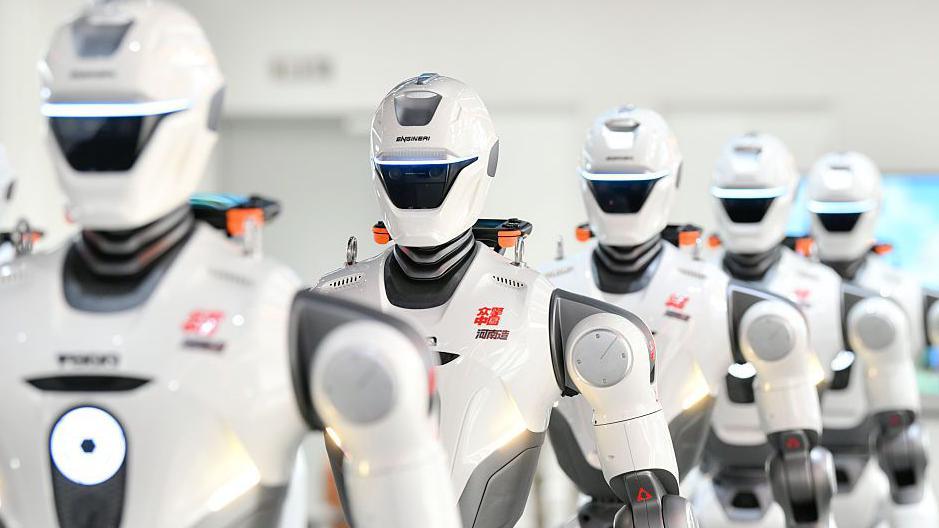
Federal Communications Commission clamps down on foreign robotic imports. The U.S. has announced a ban on new imports of advanced robots—especially humanoid and four‑legged models—made in China, citing the risk these devices pose to national security.
The decision, approved by the Trump administration, extends to power inverters used in data centres and solar panels, which could potentially be hijacked by foreign actors.
Officials cite concerns that China‑made inverters could be turned off, steal data, enable remote access, or facilitate surveillance by hostile actors. Likewise, foreign‑produced robots could be commandeered to assist foreign intelligence services.
The ban will only affect new foreign‑produced models and does not prohibit the import of machines that have already received FCC clearance.
China’s embassy in Washington described the move as “politicising” trade and called the pretexts “groundless.” Beijing vowed to take necessary measures in response and urged global cooperation on AI for positive outcomes.
U.S. officials framed the action as part of a wider strategy to secure critical supply chains and maintain a technological lead in AI and robotics.