In brief
Serbia’s ruling party has faced a surge of student‑led activism that forces the once‑unassailable Aleksandar Vučić into new political uncharted territory. Over two years, protests started on university campuses and spread to rural villages, drawing traffic into the capital for a national campaign under the banner of “Student List – Students Win”. Despite none of the candidates being students, a charismatic core, including cardiology professor Ilija Srdanović, has united teachers, actors, judges and farmers. Election observers warn of uneven media coverage and alleged electoral engineering, raising questions about the fairness of a vote that could shift Serbia toward a more open, civil‑society‑led future. The movement’s 11‑point programme calls for anti‑corruption reforms, media freedom and the removal of political loyalty from public enterprises.
The Rise of a Leaderless Movement
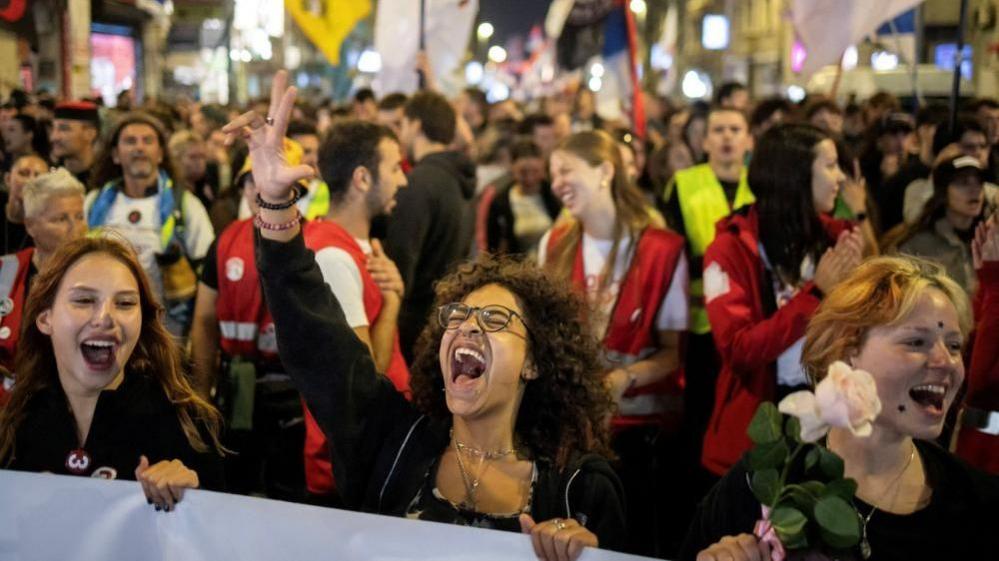
What began as weekly student protests demanding university justice after a deadly train station collapse quickly morphed into a nationwide campaign. Students from across Serbia, many travelling from regional towns to Belgrade, joined forces under the “Student List – Students Win” banner, demonstrating that a cohesive political agenda can emerge without conventional leadership.
A Direct Challenge to Vučić’s 12‑Year Rule
Aleksandar Vučić, who has led the country as prime minister and president for over a decade, now faces a coalition rooted in civil society rather than the traditional opposition. The student movement’s broad platform—ranging from anti‑corruption policing to media reform—draws support from teachers, actors, farmers and former basketball players, signaling a generational shift in Serbian politics.
Media, Fairness and Electoral Conditions
Observers warn that the electoral climate is “tense and divisive”, with reports of electoral engineering by ministries and local governments. CRTA has documented 160 media or journalist attacks in 2024 and a stark imbalance in TV coverage, heavily favoring government officials. Such conditions cast doubt on the transparency and equality of the upcoming parliamentary vote.
Prospects for Reform and a Potential New Era
If the student list secures a significant share of seats, their platform could reshape Serbia’s policy landscape—specifically through the curbing of corruption, the de‑politicising of media, and the protection of public enterprises from political loyalty. Beyond policy, the movement might offer a new conduit for civic engagement, challenging the entrenched party structures that have dominated Serbian politics for years.