In brief
Operation Vivaldi has seen Ukrainian forces push Russian troops back 277 km^2 in Donbas, relying heavily on Starlink satellite links for real‑time command and control. Ukraine claims 8,000 Russian casualties in the operation and claims to have held only a handful of losses. The U.S. government’s sudden restrictions on Starlink use shocked Kyiv, provoking accusations of betrayal and calls for a review of the policy. Amid these tensions, Ukrainian soldiers recount the hard gains, the isolation of civilians left behind, and the optimism that the offensive may tip the strategic balance.
In the final week of October Ukraine announced that its Operation Vivaldi had liberated 277 km² (106 sq mi) of the Donbas region, forcing Russian forces to retreat on the eastern front. The offensive, the fourth phase of a four‑stage push, was centred around the towns of Lyman and Karpivka and aimed to seize a bridgehead that could offer a tactical advantage for future operations.
Operation Vivaldi and the technological edge
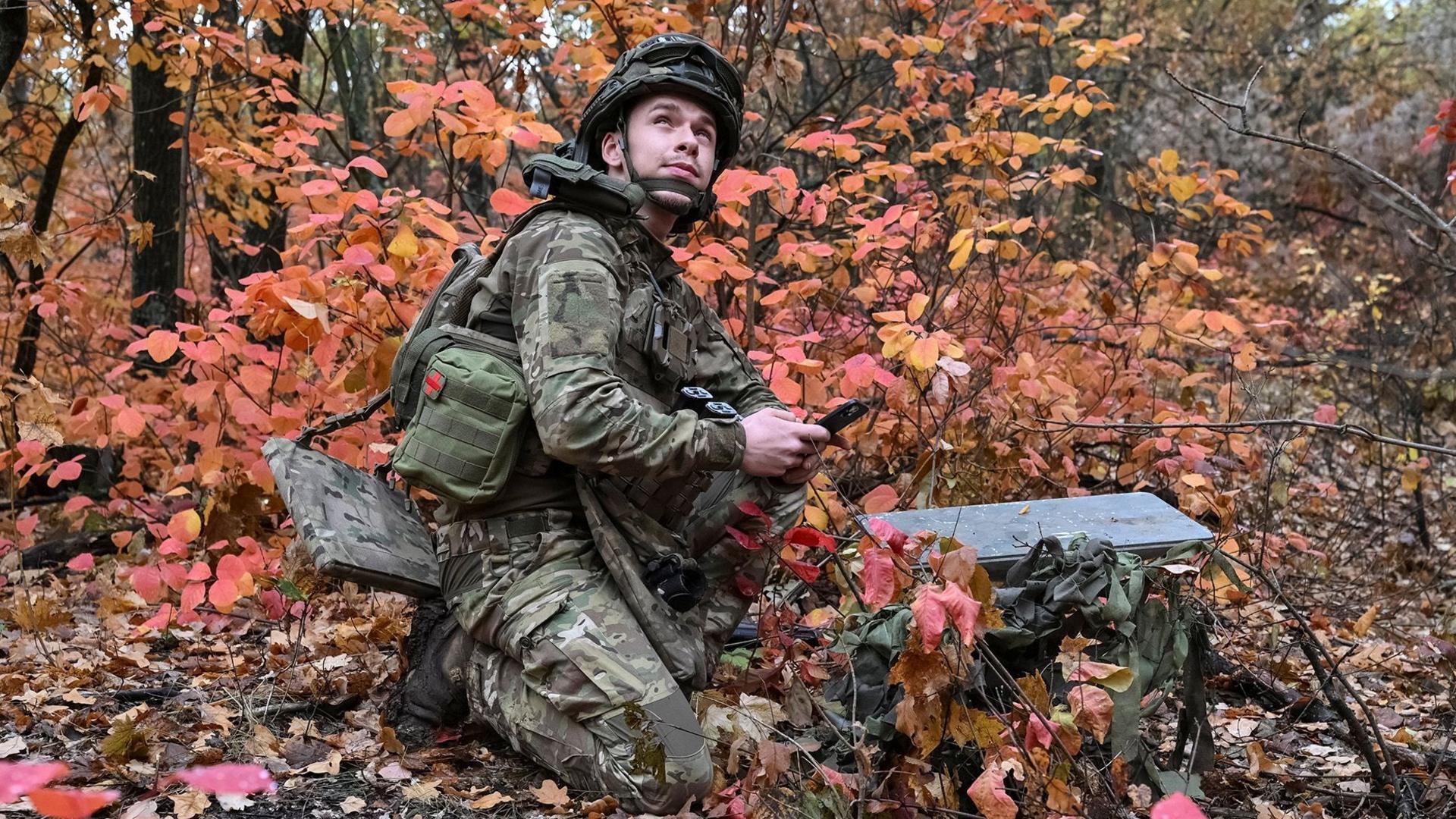
Ukrainian commanders say the operation has caused 8 000 casualties among Russian troops and has as yet resulted in only a few Ukrainian losses. The narrow front has been staffed by units that have repeatedly rotated positions, exposing soldiers to high risk on open ground. A Ukrainian snare drone, deployed from a command bunker with live video feed, successfully intercepted a Russian reconnaissance drone, demonstrating the layered approach to battlefield surveillance.
Starlink and the fight for connectivity
Integral to the success of the offensive has been the Starshield system, the military modification of Elon Musk’s Starlink satellite network. The broadband links allow Ukrainian forces to coordinate drones, artillery, and infantry in real time and keep a critical advantage over Russian air attacks. However, Kyiv was recently informed that the United States had imposed new restrictions on Starlink usage without prior notice, limiting the bandwidth available to combat units. Statements from Ukrainian officials suggest the order may have originated from Washington; in turn, Ukrainian commanders have criticised the sudden curtailment, citing the system’s essential role in intercepting aerial threats.
Front‑line human stories
In Karpivka, the only local resident still living in the village after months of occupation was 61‑year‑old Volodymyr Zamota. He described the village as “almost completely destroyed” and expressed a desire to see the war end. In the nearby trench, an infantryman with the call‑sign Dealer recounted being relieved after three months of fighting and stated the operation had restored his confidence that Ukraine could win. Soldiers also noted how drone‑supplied food parcels have become a crucial morale booster for troops moving ahead of the front line.
Political fallout and international relations
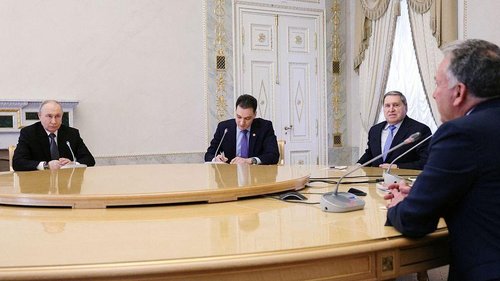
The limitations on Starlink have strained Kyiv‑Washington ties, at a time when the United States is already in conflict with Russian political rhetoric. President Zelenskiy has called the restrictions a betrayal, while U.S. officials have defended the policy on national‑security grounds. Despite the diplomatic rift, Ukraine’s senior brigade chiefs continue to emphasise the necessity of maintaining satellite‑based communication for future operations.
Looking ahead
Analysts predict that if Russia can recover its ability to deploy and counter integrated drone and satellite systems, the front line could become highly volatile again. Ukraine’s administration is pushing for a review of the U.S. restrictions, arguing that the lack of reliable communication could jeopardise not only current gains but also the safety of civilians in contested territories.