In brief
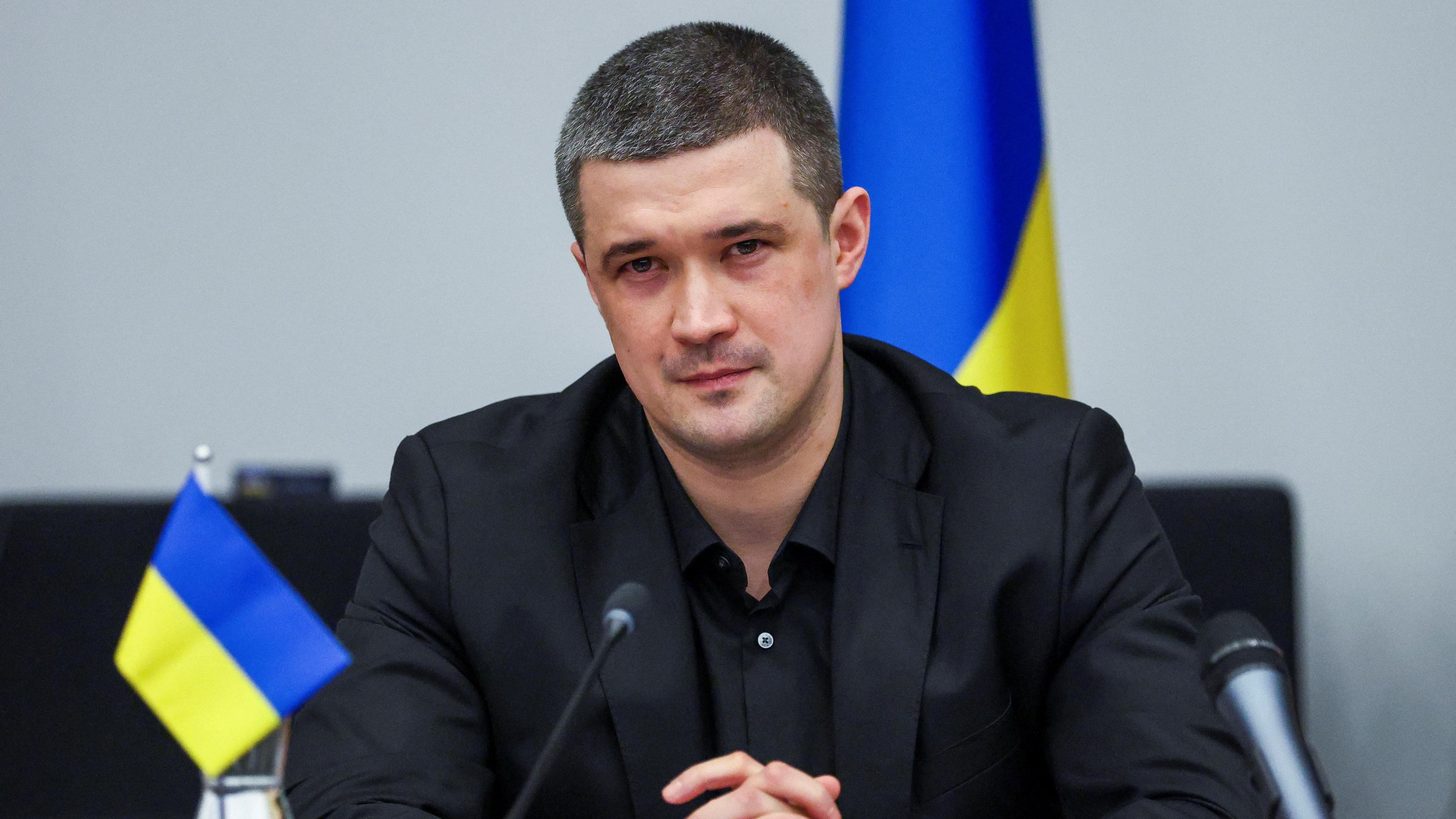
Mykhailo Fedorov, dismissed as Ukraine’s defence minister in late July, released a YouTube video demanding wartime presidential elections, questioning the legitimacy of Ukrainian governance under Russian threat. His move follows protests across the country and clashes with army leadership, posing a fresh challenge to President Volodymyr Zelensky’s wartime leadership. Fedorov’s past reforms—drone procurement, cyber‑security initiatives and anti‑corruption drives—have made him a popular figure, but his dismissal signals deep fissures within Ukraine’s government. The call for elections invites scrutiny of martial law restrictions, democratic norms, and the potential impact on Ukraine’s war‑fighting capacity.
Former Ukrainian Defence Minister Calls for Wartime Presidential Election
Mykhailo Fedorov, former defence minister of Ukraine, released a video on YouTube urging that the country hold a presidential election even while under martial law. In the clip, Fedorov stated, “Democracy cannot be held hostage by Russia,” and that Ukraine is fighting to remain a free European state.
The video arrives weeks after Fedorov’s dismissal in late July—only six months after his appointment—and after a wave of nationwide protests triggered by his removal. President Volodymyr Zelensky has yet to publicly respond, and his administration has appointed Yevgeniy Khmara, a low‑profile intelligence official, as acting defence minister.
Fedorov’s tenure was marked by a drive to modernise Ukraine’s military. He headed initiatives such as the “IT Army of Ukraine” in the early days of the invasion, organised the Army of Drones fundraising campaign, and introduced a gamified reward system for units achieving battlefield success. His attention to high‑tech warfare also led him to request SpaceX’s Elon Musk stop Russia from using Starlink satellites to coordinate drone strikes—a move credited with disrupting Russian frontline operations.
During the video, Fedorov referenced a “systemic crisis of governance” and corruption, suggesting that these issues hindered Ukraine’s war effort. He called for a legal, safe, and realistic mechanism to restore full democratic processes “even amidst a prolonged war.” In that, the call for elections faced criticism from those who argue that such processes could be hijacked by Russian influence.
The political backlash following Fedorov’s dismissal was intense. Protests erupted across the country, and the apex command of the Ukrainian army, led by General Oleksandr Syrskyi, was also replaced shortly thereafter after weeks of public pressure. Critics fear that the instability could erode the tight unity required for Ukraine’s continued resistance.
Fedorov has not outlined his own political agenda beyond insisting on the return as defence minister. He has, however, signalled willingness to continue contributing to Ukraine’s wartime efforts through innovation, speed, and organisational strength.
This story illustrates the complex dynamics within Ukrainian governance as it confronts external aggression and internal expectations for democratic continuity, offering a nuanced view of leadership, policy, and resistance.