In brief
On October 27, Israel holds a general election that many view as pivotal, following the 2023 Hamas attacks and subsequent conflicts. The incumbent PM Benjamin Netanyahu faces a tight challenge from former army chief Gadi Eisenkot, who built the Yashar Party new last year. Israel’s proportional representation system means coalition building will be critical, with potential governments ranging from far‑right to left‑wing factions. Core issues include security, conscription, judicial reform and the status of Palestinian territories. Decision-making may take weeks, with outcomes impacting both Israelis and Palestinians across Gaza and the West Bank.
Israel’s general election takes place on Tuesday 27 October, the first since the October 7, 2023 Hamas‑led attacks and the subsequent battles in Gaza, with Iran, Hezbollah and the Houthis threatening regional stability. Many consider this election one of the most consequential in Israel’s history, carrying global implications for the Middle East.
Main contenders
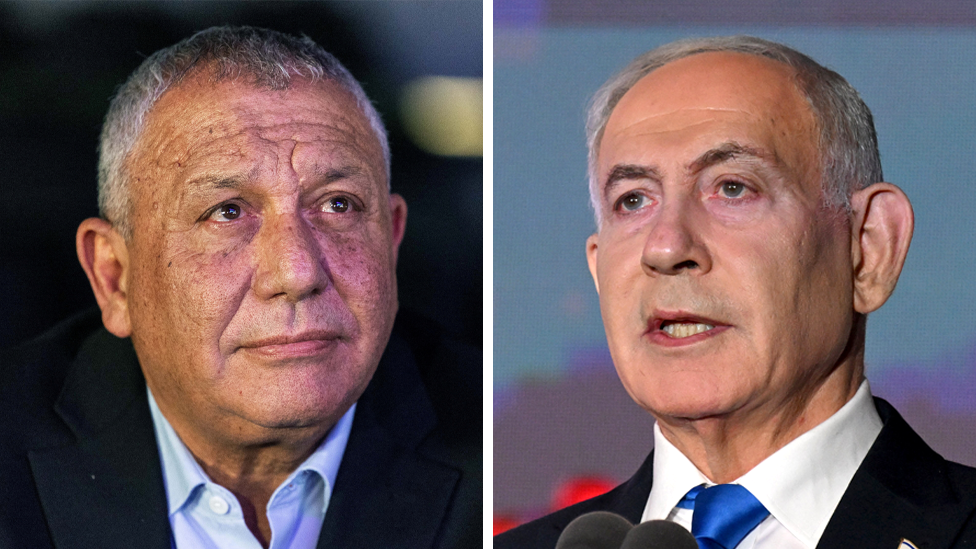
Benjamin Netanyahu – the incumbent prime minister from the Likud party, poised to rely on his far‑right coalition to remain in power. The Likud government is the most right‑wing in Israeli history, with some members calling for annexation of the West Bank and the forced displacement of Palestinians.
Gadi Eisenkot – a former head of the Israel Defense Forces and the newly formed Yashar party. Eisenkot has risen in popularity due to his military credentials, personal losses during the Gaza war and a campaign focused on accountability for the security failures that led to the October attacks. He is seen as a potential compromise candidate who could unite left and right blocs, including the Arab parties which hold “kingmaker” status.
Other opposition figures include former prime minister Naftali Bennett, hard‑line Avigdor Lieberman and left‑wing Yair Golan. While they differ sharply on security and settlement policy, a coalition with Eisenkot is still feasible.
The Israeli electoral system
Israel’s parliament, the Knesset, has 120 seats. With a proportional representation system, no single party usually wins a majority; a coalition must secure at least 61 seats. After voting, it can take weeks or months for parties to negotiate a government.
Key election questions
- Security – critiques of Netanyahu’s handling of the October attacks versus his portrayal as “Mr. Security.”
- Conscription – debates over the exemption of ultra‑Orthodox men and calls for broader military service.
- Judicial reform – proposals to limit judicial independence, sparking widespread protests.
- Cost of living – rising food and housing prices.
Impact on Palestinians
The shape of Israel’s future government will directly influence the lives of Palestinians in both Gaza and the West Bank. Gaza remains under heavy Israel air‑strike pressure with over 74,000 reported deaths, and new attacks continue. In the West Bank, settlement expansion is accelerating, and the E1 settlement project, which would split the region, remains a flashpoint.
Both Netanyahu and Eisenkot support the Trump peace plan, which envisages Hamas surrendering weapons in exchange for a phased Israeli troop withdrawal. Eisenkot has also pledged to end Hamas rule in Gaza within 18 months, possibly through military means. In the West Bank, Eisenkot favours settlement expansion but opposes the controversial E1 project and advocates drawing lines for a final peace agreement, while Netanyahu’s camp generally favours continued expansion.
The status of a two‑state solution – once a major goal for many mainstream politicians – has largely disappeared from current campaigns. None of the leading Jewish parties now prominently campaign on it, and Netanyahu has long opposed the idea.
When will results be known?
At 22:00 local time on election day, exit polls will be released. Preliminary results are expected the following day, with official tallies published on 4 November. President Isaac Herzog will then invite the leader most likely to form a coalition to do so. The process may take over a month; if multiple attempts fail, a new election could be called.
The period from 2019 to 2022 saw five separate elections, reflecting the difficulty of coalition building in Israel’s fragmented political landscape.