In brief
Ukrainian drone attacks intensified on Russian e‑commerce infrastructure, striking Ozon’s logistics centres in Dagestan, Krasnodar, and other southern regions, resulting in fires and casualties. Ozon, Russia's second‑largest online retailer, reported multiple casualties and damages, while its shares fell sharply, prompting government officials to promise support. The strikes follow a series of Ukrainian assaults on Wildberries, the nation’s largest retailer, which Moscow claims supplies the military, fueling a debate over the legality and humanitarian impact of targeting civilian‑style businesses during the war. Both sides deny deliberate attacks on civilians, yet the growing focus on commercial targets brings the war closer to ordinary Russians and deepens economic strain.
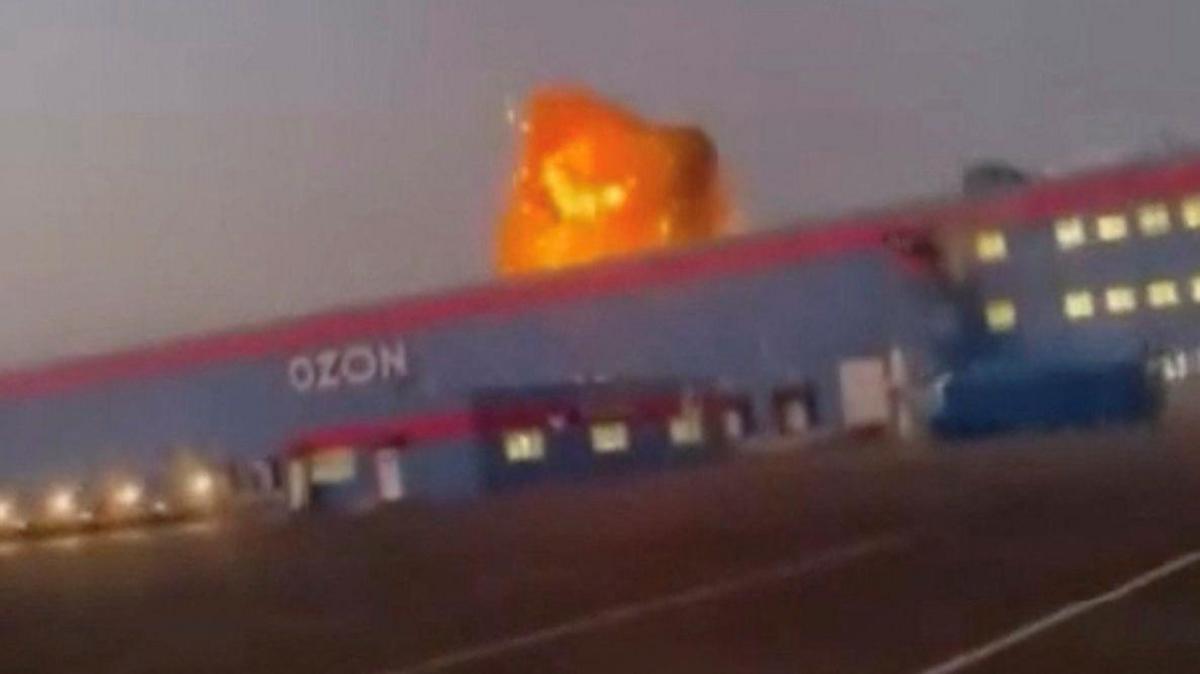
Ozon, Russia’s second‑largest online retailer, has suffered a wave of drone strikes on its logistical facilities across the southern parts of the country, leading to fires, injuries, and a sharp fall in its stock value on the Moscow Exchange.
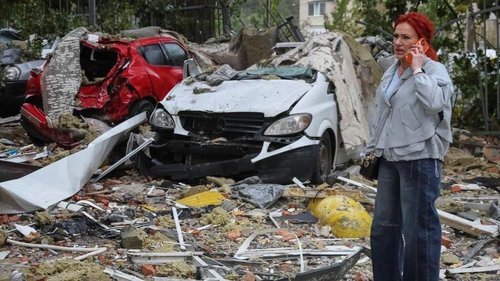
Warehouse facilities in the regional capitals of Makhachkala in Dagestan, Krasnodar and other southern regions were hit overnight, forcing evacuations of workers and causing a significant blaze at the Makhachkala site. The company reported that several people were injured and a notable number of workers had been temporarily sheltered elsewhere.
This series of attacks follows a sustained Ukrainian campaign against Russia’s largest online retailer, Wildberries, which the Ukrainian defence ministry identifies as a legitimate target because it supplies dual‑use goods to the military, a claim that the Russian government denies. President Vladimir Putin has condemned these strikes, accusing Ukraine of opening “Pandora’s box” and demanding that Moscow retaliate by targeting the “most sensitive economic sectors” of Kyiv.
In the immediate aftermath, Ozon’s shares fell by up to 12% on Monday, and its major shareholder, AFK Sistema, saw its shares drop by almost 13%. The Kremlin responded by stating that it was exploring options for state support to the company, as the through‑line of the conflict extends into the commercial supply chain.
The attacks on Ozon’s logistics hubs have highlighted how the war’s reach extends into everyday Russian life, as millions of Russians rely on Ozon and its sister competitor Wildberries for a broad spectrum of goods. The two retailers act as marketplaces, connecting independent sellers with customers across Russia, and the ongoing strikes have imposed losses on both the companies and their many small‑business partners.
Both Russia and Ukraine maintain that they are avoiding intentional civilian casualties. Russia’s defence ministry reported the death of three children in Krasnodar and the evacuation of additional children following the drone attacks. Ukraine, meanwhile, has announced that its strikes continue to target dual‑use logistics facilities, insisting that they serve strategic rather than purely civilian purposes.
These incidents underscore the growing strategic significance of e‑commerce logistics centers in the conflict, raising questions about the line between civilian commerce and military supply chains in wartime conditions. As the war persists, the armed forces on both sides eye these hubs for their economic, cultural, and psychological implications on the general populace.