In brief
Olympic ice is a specialized surface crafted for international winter sports competitions. It is meticulously prepared by 'ice masters' to ensure optimal conditions for athletes. The process includes using insulation, a vapour barrier, and specific water qualities to create varying ice types suited for different sports. External factors like temperature and venue conditions also influence ice performance, underscoring the complexity of maintaining the highest standards for Olympic events.
Olympic ice describes the uniform ice surface specified for international competitions, including the Winter Olympics.
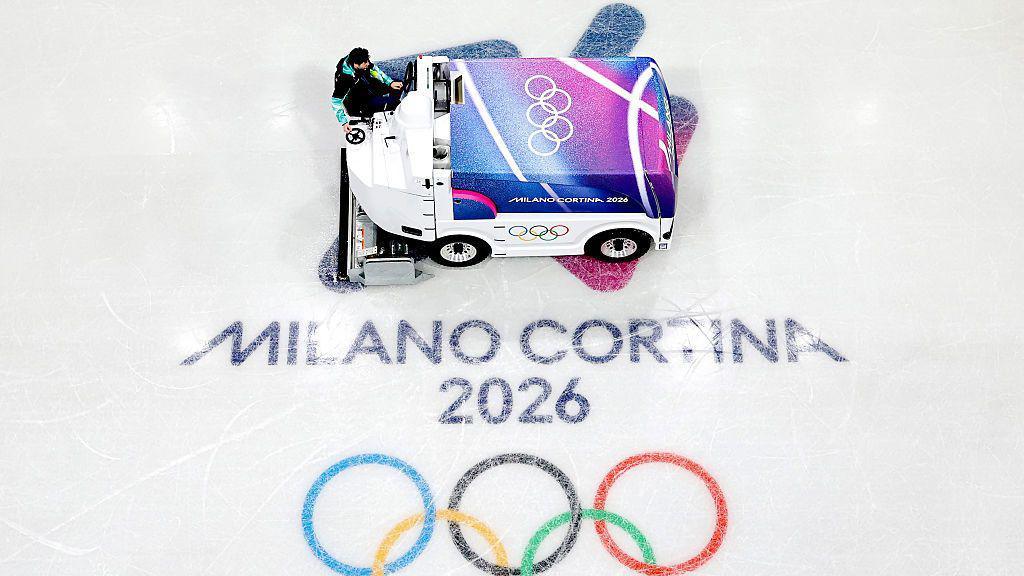
Skilled technicians, or 'ice masters,' are responsible for producing and maintaining this ice, ensuring it is optimal for sports like curling, ice skating, and ice hockey. The upcoming Winter Olympics in Milan-Cortina reveal the complexities involved in creating and managing these surfaces.
Creating the Ice
The creation of Olympic ice begins with laying down insulation and a vapour barrier on a concrete floor. Mats containing glycol are placed on top to keep the ice cold, followed by adding roughly two inches of water to freeze into ice sheets. The final step involves sealing and marking the surface for various sports.
Types of Ice for Different Sports
Each sport demands different ice conditions—curling requires a pebbled texture, while ice hockey necessitates a hard surface for immediate stops. Long track speed skating requires the coldest and hardest surface of all. Adjusting the ice between events, like figure skating and short track speed skating, poses significant challenges for the technicians.
Water Quality
The types of water used are critical; purity affects the ice's clarity and durability. Ice masters monitor pH levels and total dissolved solids to ensure the best ice quality, preventing issues like cloudiness or brittleness.
Influence of External Factors
External conditions, including temperature, venue lighting, and audience size, can alter ice conditions and affect athlete performance. Maintaining ideal ice requires constant adjustments and monitoring by skilled professionals.
As the Winter Olympics approach, the meticulous work of ice masters highlights the unsung effort behind the thrilling performances on the ice, ensuring that athletes compete under the best possible conditions.