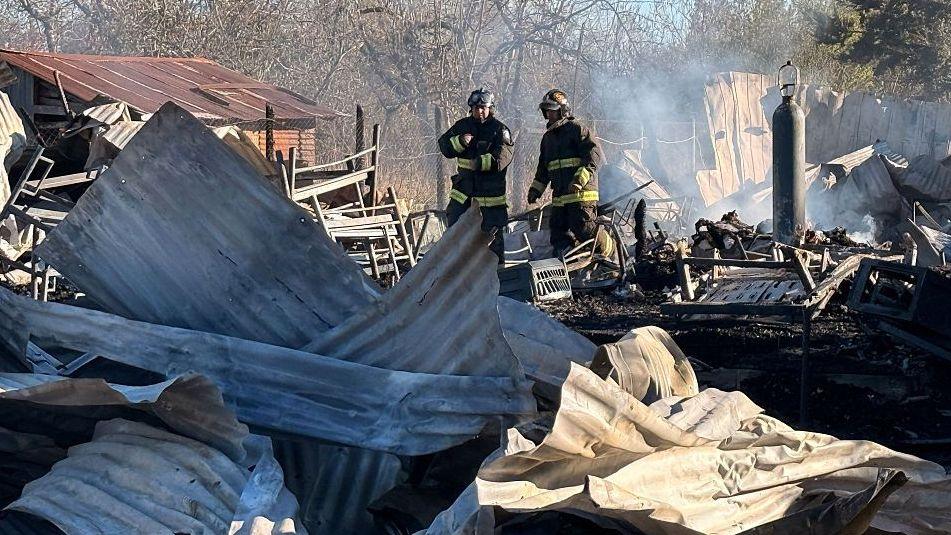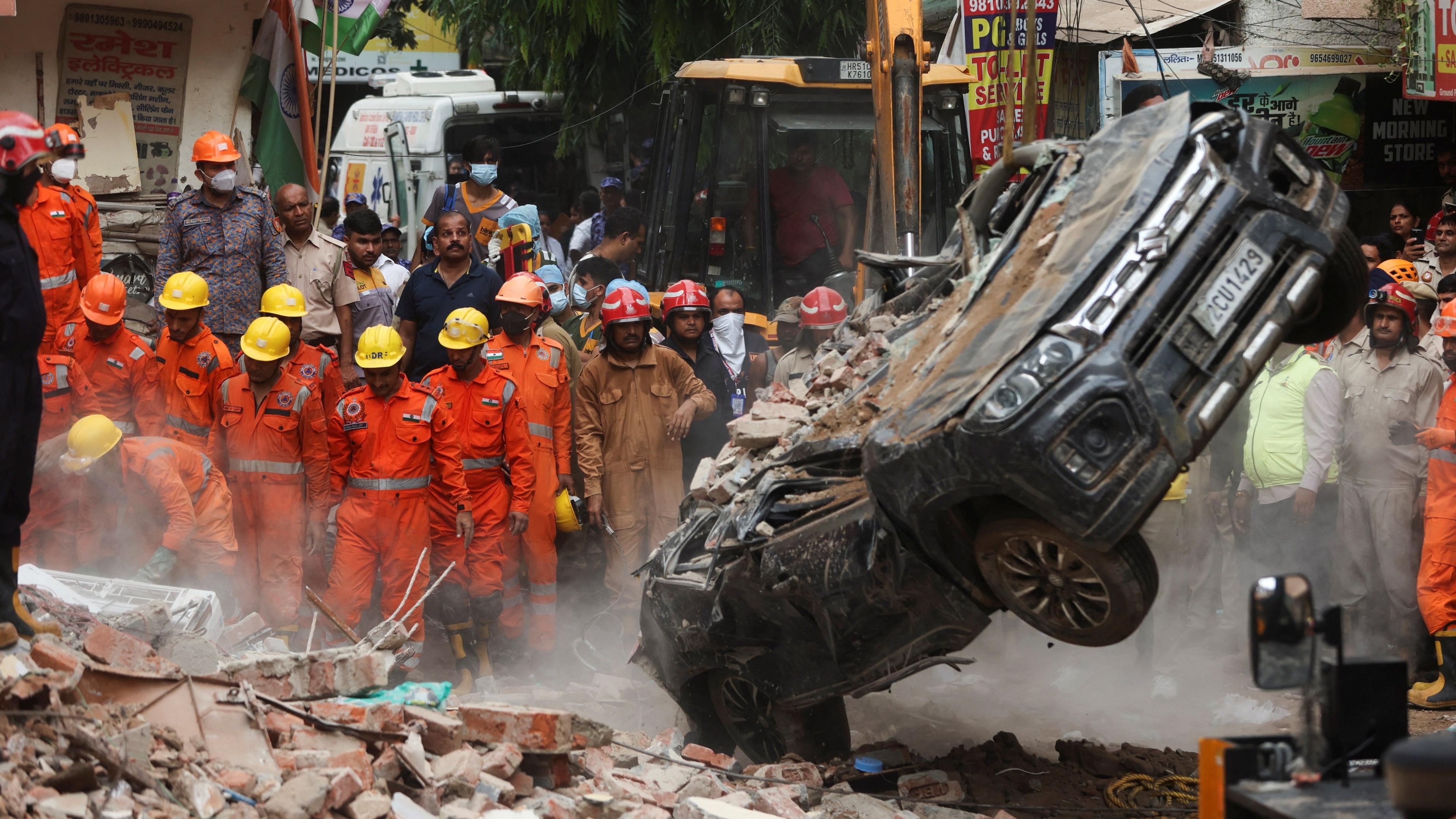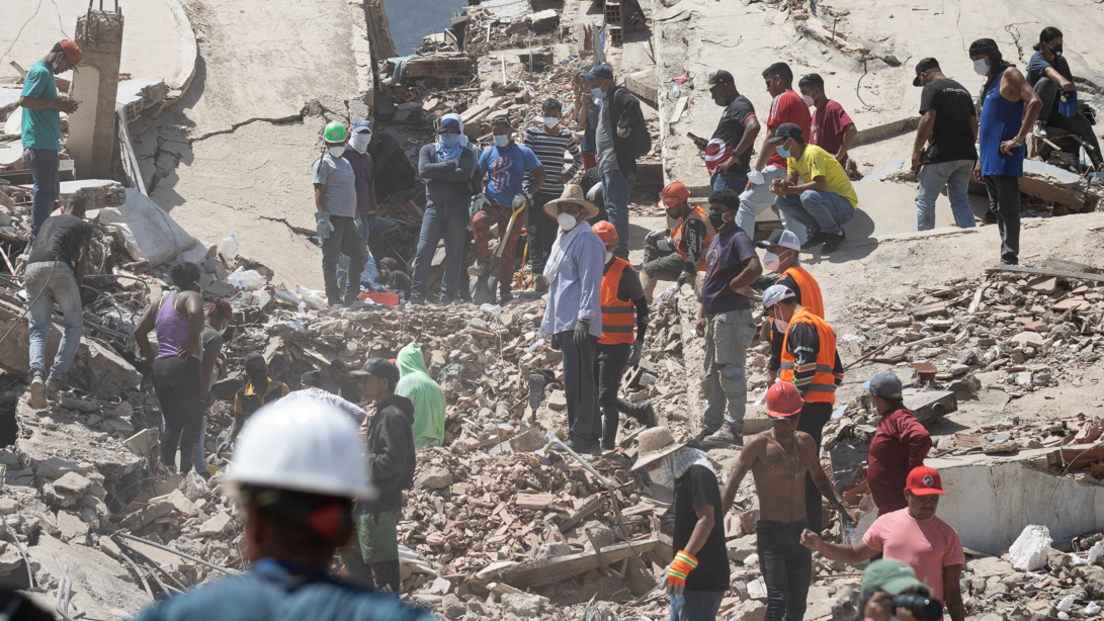
In the port city of La Guaira, residents fought through the night with crowbars, mallets and pickaxes to unearth missing neighbours after twin earthquakes of magnitudes 7.5 and 7.2 that hit the area in 39 seconds.
More than 1,700 bodies have been counted, interim president Delcy Rodríguez describing the disaster as the country’s “most brutal natural catastrophe”. Yet, emergency workers still find themselves outmatched by the sheer scale of damage, with stone‑busted buildings and shallow trenches blocking quick access.
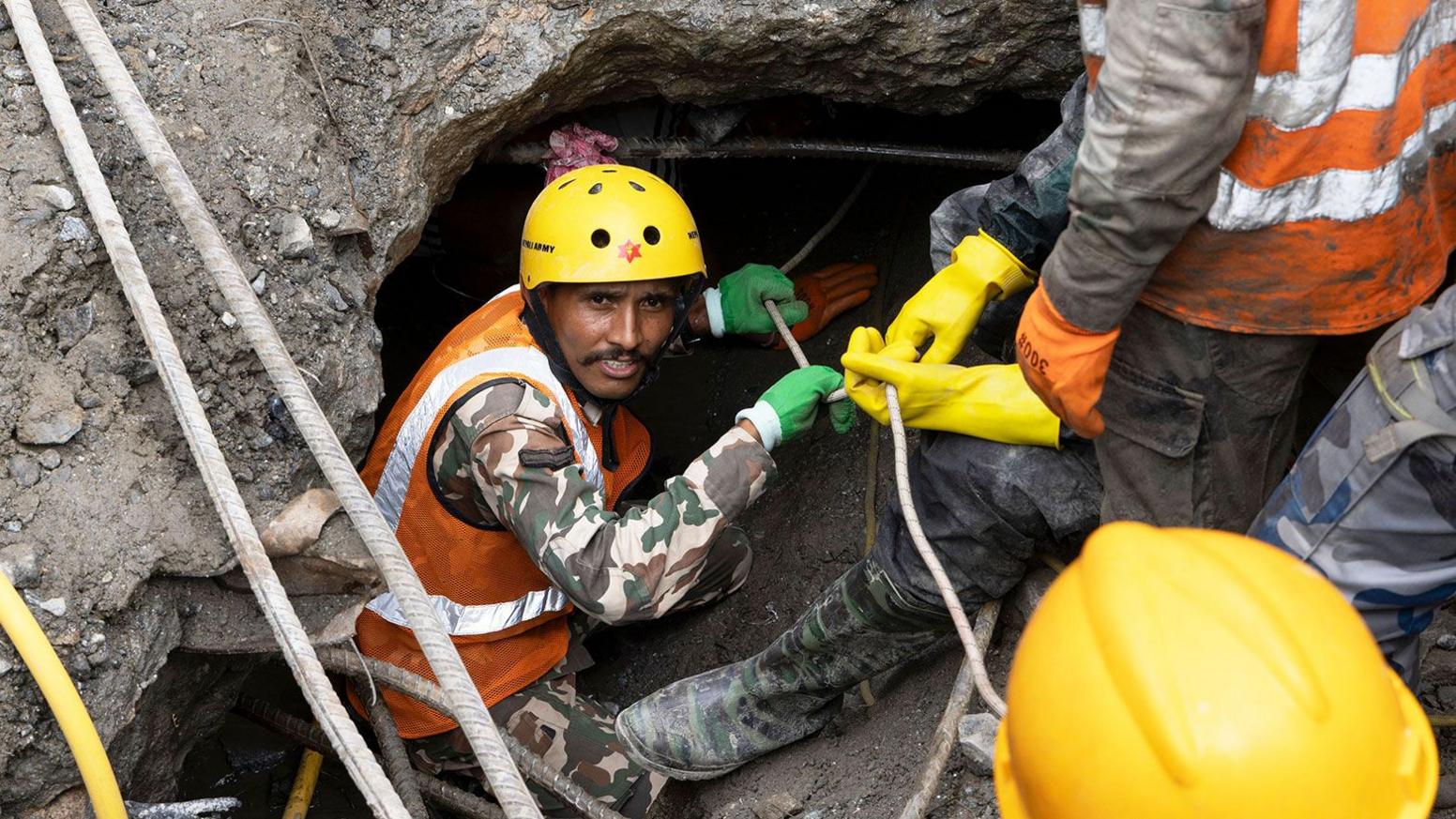
Local volunteers, backed by the civil protection agency, body‑search a single building for days when heavy machinery is delayed. “They don’t have equipment,” 32‑year‑old electrician Ruben Rojas said, “They keep coming, but it’s not enough.”
More than 25,000 police officers, soldiers and aid workers were mobilised, but the response mission has been described as “slow” and “patchy” by those on the ground.
On Monday, a pair of massive aftershocks – the latest at magnitude 4.6 – rattled Caracas and La Guaira, triggering fresh fears of collapse in already ruined neighbourhoods.
A 21‑year‑old man trapped for over 100 hours was pulled out alive by an international team including Venezuelan, Mexican and Salvadoran rescuers; his case has become a symbol of the gradual hope the emergency responders cling to.
United Nations humanitarian coordinator Gianluca Rampolla Del Tindaro reports that 2,500 structures collapsed and that more than 500 aftershocks have occurred. He said the agency is procuring 10,000 bodies bags as the death toll rises hard to predict.
The United States pledged more than $300 million in aid, covering emergency medical care, food, water, sanitation, shelter and logistics. A U.S. frigate, USS Fort Lauderdale, has already docked at the Port of La Guaira, using amphibious craft to move supplies to the hardest hit coastal sites.
Wind‑up measures are being taken, such as a colour‑coded traffic–light system to determine the safety of communities and to coordinate temporary shelters for those displaced.
This crisis highlights the perpetual vulnerability of Venezuela’s public infrastructure, pinch‑pointed by persistent economic hardship and political uncertainty. Even with international help arriving, the ability to respond swiftly remains hampered by a lack of equipment and slow administrative follow‑through.