Venezuela has been turned into an articulated landscape of grief and structured chaos. The twin earthquakes that shook the country on 6 and 7 July have spawned more than 2,600 deaths, leaving the nation to confront an unprecedented identification crisis.
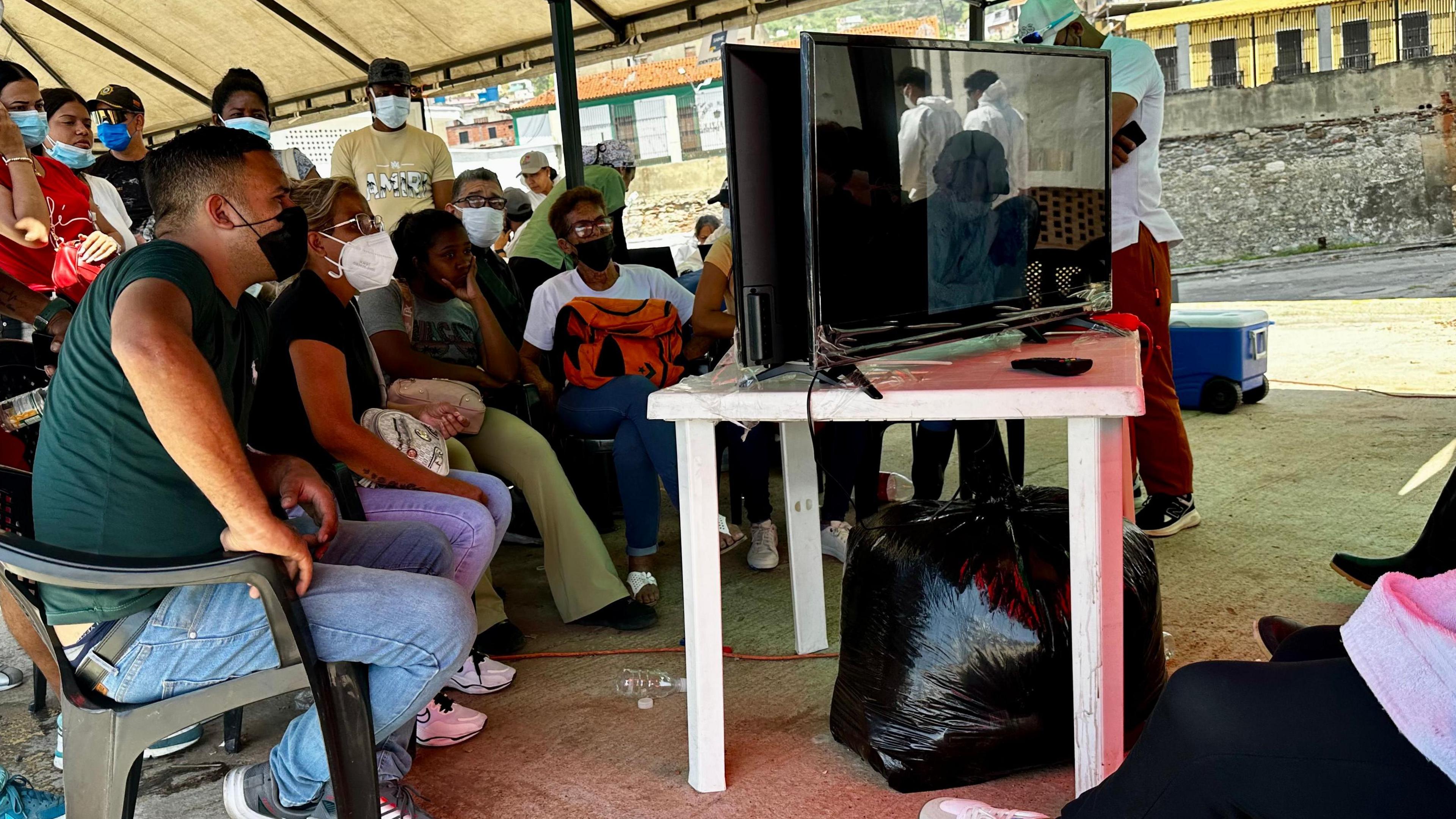
The bodies from the destroyers have been funneled into Los Silos, a former port storage site and now a makeshift morgue where rows of plastic‑bagged green‑lined corpses sit beneath the relentless sun. The site is framed by two giant tents – one white and one grey – that act as a central hub for procedures ranging from instant cremation to forensic dental alignment.
From almost everywhere in La Guaira, families arrive to sit in long rows of chairs, bookended by silence and the swift‑scrolling images on two large screens. The screen presents a relentless stream of faces – swollen, darkened, scarred – and the families' job is to look for familiar markers: a tattoo, a bracelet, a piece of clothing, or the quirks of a smile captured in a wiped‑away photograph.
One name that echoes frequently is Mi 57‑year‑old woman from Catia La Mar, Liliana González, who recounts how she was forced to identify her nephew who was buried elsewhere. "I made it through the screen with a grim determination," she says. "I was terrified at my first glance of the image, but I could find his tattoo and finally saw a match and felt the light‑flood of an acknowledgment in my heart.
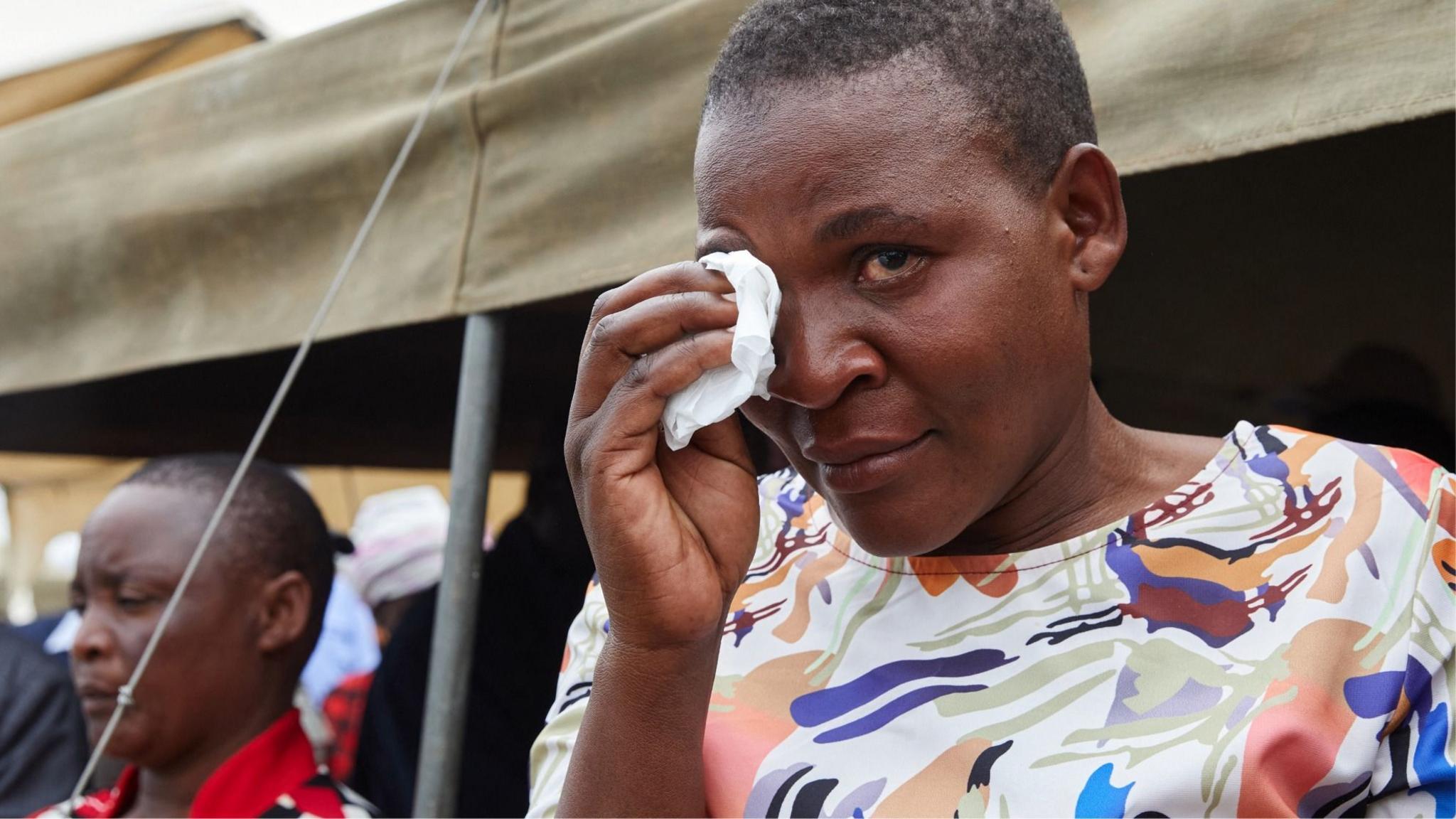
Other families are left with long waits; for some, the wait is hours, others months. Colonial engineer Modesta Alemán explains that she chooses to stay on the periphery; it gives her a space to grieve out of the site’s immediate harshness. She says: "If I did enter, I'd have seen them, which is unbearable."
The forensic protocol is detailed. Multiple batches of body‑identification are undertaken: plastic‑bagged ribbons are sorted by recovery time, dental charts are cross‑matched against national identification registries, and DNA sampling is pursued where remains are not obfuscated. The workforce includes medical staff, psychologists and volunteers, all working in cautionary haste to preserve dignity while providing proper documentation for future disinterment or burial.
The grieving process, however, is far from a sterile scientific undertaking. Families often share terror that the state of the bodies, in some cases, doesn’t allow easy recognition, forcing a resort to less courteous tools such as identification through voice notebooks or haunting associations. The delay, or impossibility, to identify a loved one effectively disrupts the next stages of the funeral process – cremation ticketing, body removal and, ultimately, the necessary paperwork for an official death certificate.
Jéssica Soto, who has been waiting for the remains of her daughter and granddaughter, says: "The long wait is not only heartbreaking; it is a bureaucratic delay that keeps her in a state of uncertainty. Her small family now lives in a liminal space in the sun on the site, hoping for the paperwork to catch up to the loss."
Behind the stage of the makeshift morgue, the implications stretch beyond the individual. It represents the collapse of disaster response infrastructure in an already beleaguered country, reminding of the ways crises extend beyond the physical quake to second‑worst human tragedies: grief, institutional failure and the missing threads of collective identity. In a society where justice and access to services remain diffused, the ramped‑up responsibility of boat‑shipping bodies, forensic work and identification is a crucible for the country’s resilience and deviance.
While the overall emergency response is managed by the National Disaster Management and the Venezuelan armed forces, local communities continue to press for recognition and support for families uprooting their grief and processing their reality. The makeshift morgue, in the heart of Los Silos, reflects the raw cost of a disaster’s aftermath – a scene of waiting, hope, and the heavy reality that identification is the first step toward closure in a nation still navigating its own fragility.