Water Crisis in South Africa: How Criminal Gangs are Exploiting Desperation
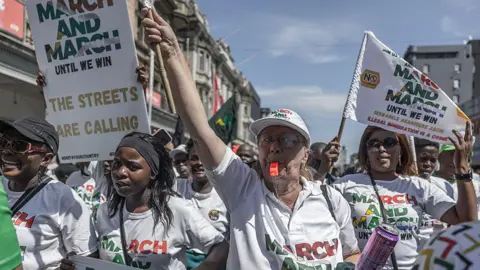
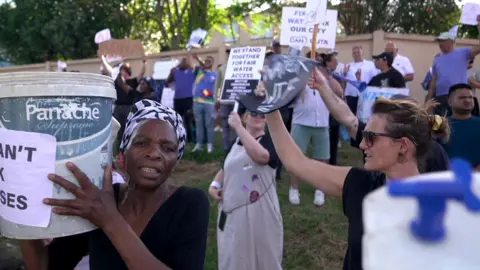
In the Johannesburg suburb of Greenside, protesters of all ages chant We want water! as frustration mounts over continual water shortages that have plagued the area.
Many residents in Northern Johannesburg, known for its affluent neighborhoods, are fed up after experiencing over a month without a reliable water supply. Colin Regesky, a resident of Green Hill, expressed his concerns, stating, Our pipes have been bone dry with no water coming through at all... according to the constitution it's our right to have water.
Jenny Gillies, another protester, shared her outrage, saying, We are reduced to begging and protesting for water, highlighting the lengths residents must go just to secure this basic necessity.
South Africa's economic heart, Johannesburg, has grappled with severe electricity shortages since 2022, affecting daily life with rolling blackouts. However, the escalating water crisis has emerged as an even greater concern, with some residents deeming it worse because of health implications associated with the lack of clean water.
In Hammanskraal, located over 100 kilometers north of Johannesburg, the desperation is palpable. Pastor Tshepo Mahlaule lamented, This is what is happening in Hammanskraal, there’s no water... People need to wash every day, their uniforms need to be washed, and we have no water. This area has suffered from unreliable water access for years.
Amidst these shortages, a disturbing trend has surfaced: the emergence of 'water mafias.' These criminal syndicates are accused of monopolizing the water tanker industry, taking advantage of the desperate conditions. Local officials have alleged that these groups deliberately damage infrastructure to maintain their relevance and control over the water supply.
Dr. Ferrial Adam, executive director of Watercan, described how these mafias operate by manipulating municipal tenders, compromising the integrity of the water delivery system, and even charging residents for water that should be free of charge.
Frustrated residents have taken to the streets to voice their discontent, pushing for government action. Former mayor Cilliers Brink has suggested that local governments should consider owning their own water tankers to mitigate the influence of these criminal operations. Still, experts warn that this is not a sustainable solution without broader investments in infrastructural improvements.
The water crisis in South Africa, driven by neglect and corruption, has turned into a critical humanitarian issue that necessitates immediate and multifaceted responses from authorities to restore access and ensure the safety of its citizens.