

World Cup in the Crosshairs: Fans Grapple with US Visa Roadblocks
When Iraq’s national football team secured a berth in the 2026 World Cup, the anticipation was bright. Yet for Abdulla Adnan, a fan from Najaf, the dream turned into a long‑lasting ordeal. He booked tickets for matches in Boston and Philadelphia, but could not secure the visa needed to leave Iraq. The U.S. Embassy’s lack of services there and the subsequent travel ban on neighboring Jordan made the process nearly impossible.
Adnan’s case is just the tip of the iceberg. BBC Analysis of the State Department’s public data shows that 11 of the 48 countries that qualified for the tournament have a visa rejection rate over 40%. These nations include Ecuador, Egypt, Haiti, Algeria, Uzbekistan, Cape Verde, Jordan, Iran, the Democratic Republic of the Congo, Ghana and Senegal. For fans from these countries, the cost‑and‑time gamble of buying world‑class tickets can sting a lot higher when the risk of visa denial looms.
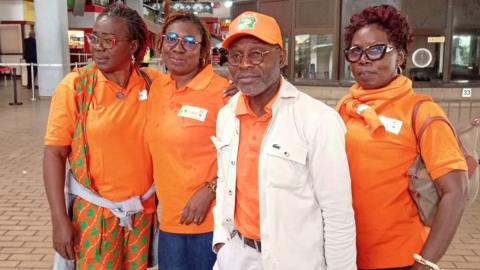
Julien Kouadio Adonis, a leading voice from the Ivory Coast fan association, argues that the restrictions equal a form of segregation. He is uncertain whether the country will use “FIFA Pass” after it announced a reduction in travel deposits for a handful of qualifiers, including Ivory Coast and Senegal. While the pass fetches priority interview slots, it does not guarantee acceptance. “The visa system is the invisible gatekeeper of the World Cup,” notes Celine Atallah, an immigration lawyer in Boston.

Senegal’s supporters, having beaten the odds on two prior World Cups, now face high barrier to travel. The U.S. continuously emphasizes that each visa is considered on a case‑by‑case basis and that refusal is not a procedural requirement. Yet the border agencies still hold the power to deny entry after approval, further adding to the uncertainty.
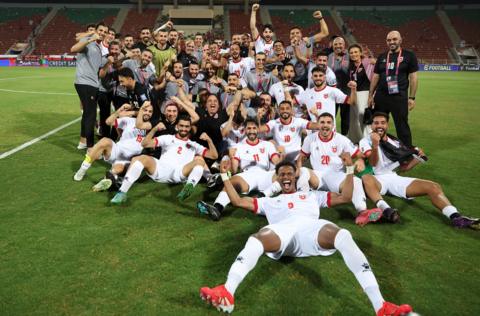
Jordan, having qualified for the first time after a win over Oman, is conflicted owing to high U.S. visa refusal (57% for Jordanians). Abu Kass, head of the Jordanian fan association, recounts handing 42 documents to an interview in Amman, only to have his application rejected. He says, “This World Cup is not ours. It is for those that can get a visa.”
Canada and Mexico, co‑hosts, use a different visa scheme, yet still impose constraints on certain countries. Neither country has issued travel bans, but Mexico requires in‑person appointments and does not publish refusal data, while Canada’s biometric process currently excludes a few qualifying nations from scanning accommodations.
These obstacles frame the United States as a gatekeeper for a global sporting event that should unite rather than divide. While the U.S. administration maintains a position of openness, contrasting statistics reveal a far from seamless journey for many fans. Until the visa process becomes a transparent, universal pathway, the promise of the 2026 World Cup may remain a world cup that “for them, not us.”

