In brief
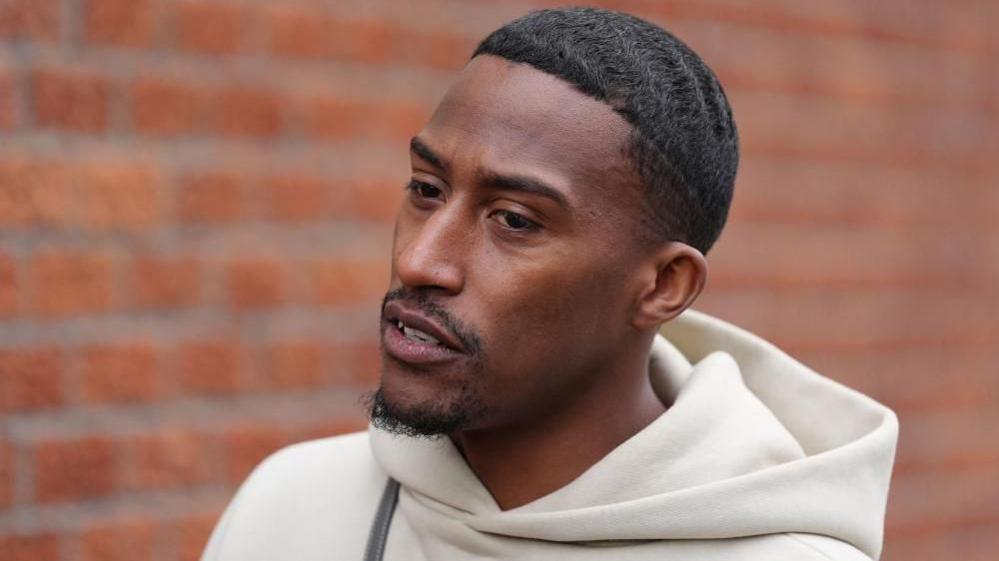
British rapper Yung Filly, born Andres Felipe Valencia Barrientos, was cleared of three rape charges in a Perth court but found guilty of two assault counts. A retrial will cover the remaining rape allegations, with the prosecution citing the complainant’s willingness to testify again. The case highlights tensions between celebrity culture, social media influence, and the justice system, prompting calls for clear, consistent evidence standards. Critics warn that high‑profile defendants can manipulate public perceptions, while supporters argue for a fair trial under the law.
British rapper Yung Filly will visit a courtroom on 27 August for a bail application, while an undisclosed date will set the next retrial for three rape charges left uncertain in the previous jury hearing.
The YouTuber, whose legal name is Andres Felipe Valencia Barrientos, entered the Perth courtroom after allegations of repeated rape and assault on a fan during a 2024 nightclub performance. A jury could not reach a verdict on the rape accusations, leading to a retrial, but found him not guilty on three counts.
The jury, however, also dismissed one assault charge and a strangulation charge, yet convicted him on two other assault counts, for which sentencing will await the retrial outcome. Barrientos has denied all accusations.
He was accused of violently assaulting a 20‑year‑old fan who subsequently claimed he ignored her pleas to stop. Court transcripts reveal the 31‑year‑old social media star’s attempt to narrate consensual encounters that escalated to violence. Regardless, prosecutors maintained the complainant’s testimony remains credible for the retrial.
During the trial, the defendant admitted to “fancying” the fan prior to their meeting in a club VIP area, describing a perceived “good vibe” before moving to a hotel room. He framed his actions as driven by mutual attraction, a narrative contested by the defence which argued the complainant’s statements contained inconsistencies and outright fabrications.
Barrientos, Colombian by birth and raised in the UK, rose to fame through the YouTube collective Beta Squad, appearances on BBC and Channel 4, and a stint on the celebrity version of Bake Off. This background raises double‑edged scrutiny: on one side, his public profile offers visibility and a platform for discourse; on the other, it invites questions about accountability and the influence of fame on legal outcomes.
The retrial underscores a broader debate among the Australian public and internationally about whether high‑profile celebrities can negotiate legal outcomes that differ from those faced by ordinary citizens. Critics urge continued transparency to preserve public confidence in the justice system, while supporters call for avoidance of “celebrity bias” and adherence to procedural fairness.