In brief
In a strategic shift ahead of the upcoming U.S. mid‑term elections, President Donald Trump’s administration lifted 50% tariffs on a range of Canadian items, including plywood, certain paper products, and refrigeration equipment, effective 30 October 2026. The relief follows lobbying from Republican Senator Susan Collins, who faces a tight race in Maine and sought lessening of trade barriers that affect local farmers and manufacturers. While the tariffs on other goods such as carpets and waste products remain, the U.S. signals a willingness to “defend American workers” and seek a broader trade deal with Canada. Canadian officials respond with cautious optimism, underscoring the need for mutual compliance while expressing readiness to negotiate a comprehensive agreement. The move underscores the intertwined economic and political pressures as Washington approaches a pivotal electoral moment.
Tariff Relief As Midterms Approach
In an unexpected move before the November elections, the White House announced on Friday that it will remove 50% tariffs on several Canadian goods from 30 October. Products such as plywood sheets, certain paper manufacturing inputs, specific machinery, refrigeration units, and packing crates and boxes are now exempt. The decision follows lobbying from Republican Senator Susan Collins, who is in a hot race to retain her Maine seat and has long requested relief for agricultural producers in the region.
Political Context
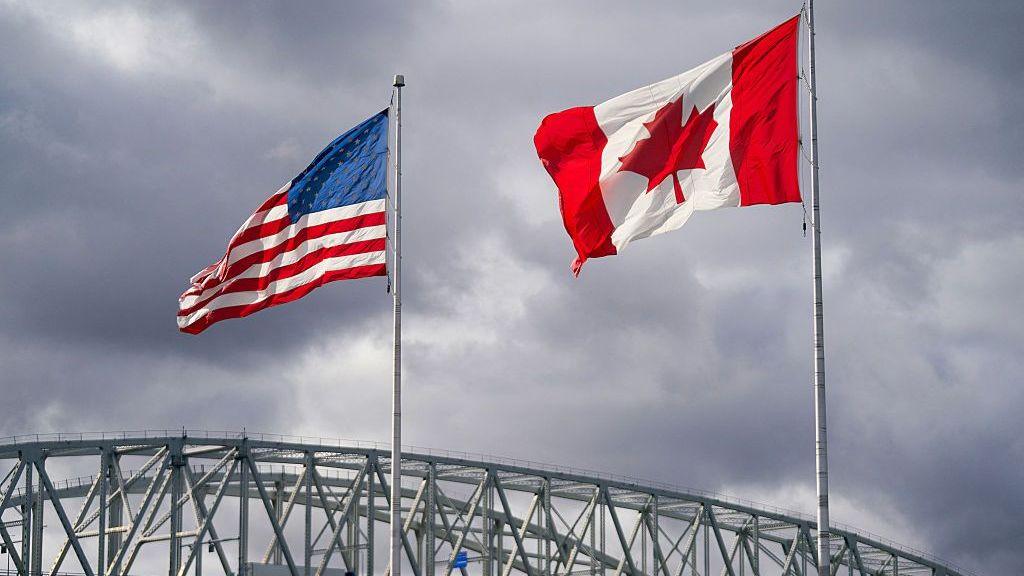
The U.S. and Canada have been locked in a trade standoff since August last year, when Washington placed a 50% levy on $20 bn of Canadian imports after talks collapsed. Canada’s counter‑tariffs matched dollar‑for‑dollar, triggering a surge of campaigns for a new trade agreement. With the mid‑terms drawing near, the move suggests President Trump is aiming to score their coalition’s key swing‑state allies by pledging economic relief just before the polls.
Responses Across the Border
White House spokesman Matthew Middleton said the U.S. continues to confront what it sees as Canada’s discriminatory treatment of American commerce. However, Vice‑Prime Minister and Minister for International Trade Dominic LeBlanc cautioned that Canada is “prepared to work constructively” and urged the U.S. to seek a fair arrangement for all parties.
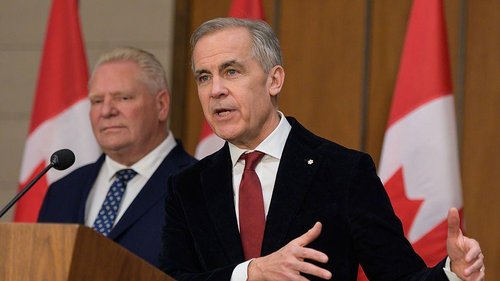
The announcement also keeps pressure on Canada’s Prime Minister, Mark Carney, who has publicly called the retaliation “necessary to protect our workers.” Carney’s administration has hinted that it could sign a deal “this afternoon if the U.S. were there,” yet remains open to a multi‑year framework if the U.S. is unwilling to commit promptly.
Economic Implications
While the tariff easing may benefit some North American producers, critics argue it dilutes Washington’s larger trade agenda. Supporters point to the immediate relief for Maine’s blueberry, potato, apple, and seaweed growers—sectors highly sensitive to cross‑border pricing. Opponents, including Senator Troy Jackson, accuse Collins of playing politics with the state’s economy by “allowing the war to continue” and demanding credit for any concessions received.
Looking Forward
As the U.S. Congress prepares for the next term, lawmakers from both sides of the Atlantic are weighing how to move beyond a long‑standing standoff. The White House now faces scrutiny from constituents in trade‑heavy states, while Canadian officials monitor whether the relief will be sufficient to pave the way for a comprehensive trade pact. The policy change, still subject to implementation details, leaves the broader economic picture and the political fortunes of midterm candidates uncertain.