Zaporizhzhia Faces Escalated Russian Drone Attacks on Schools, Offices and Buses
By Vitaly Shevchenko
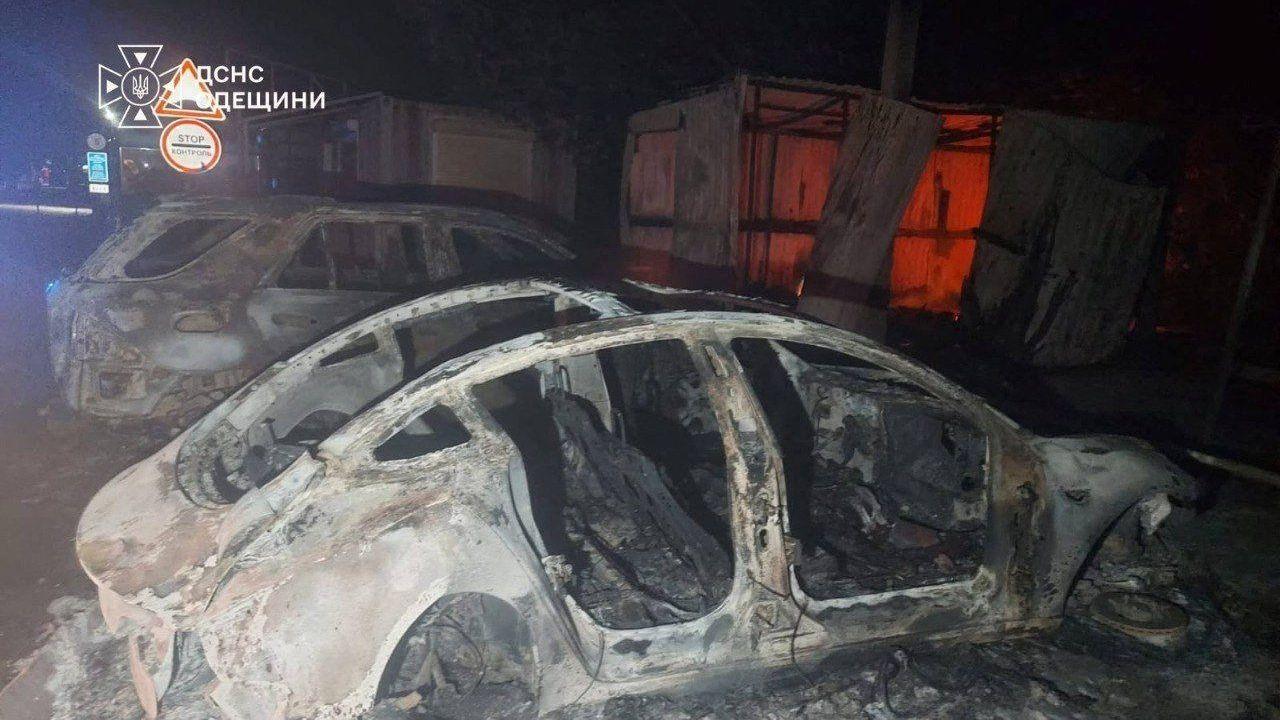
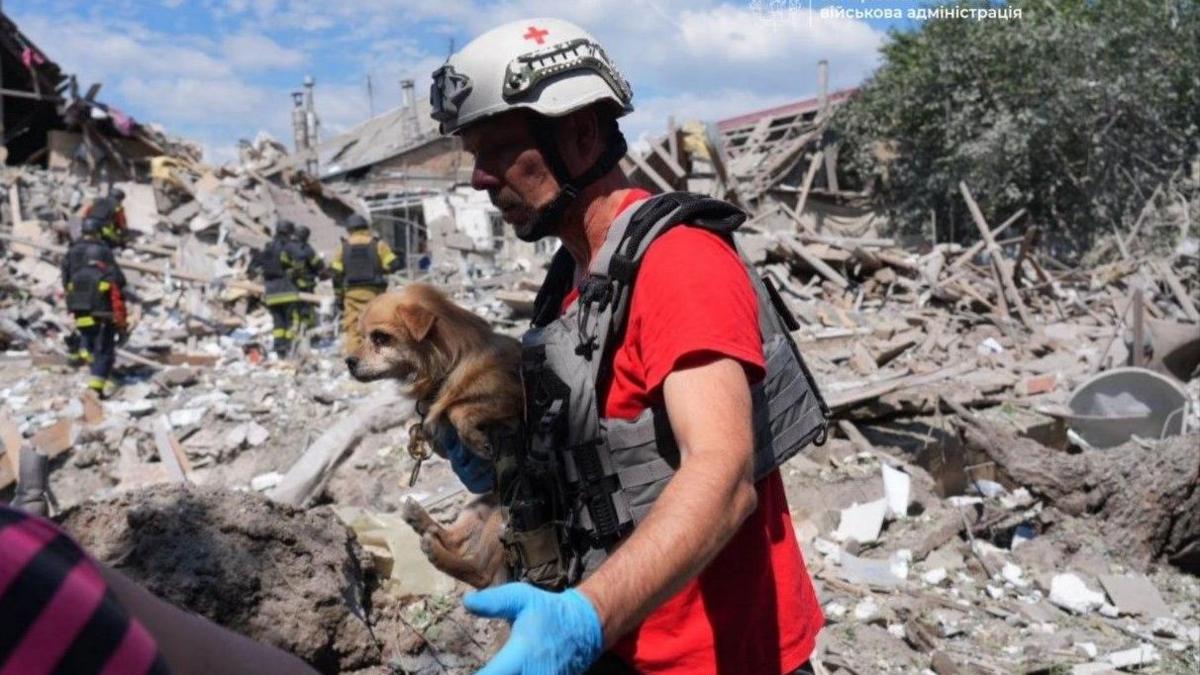
The city of Zaporizhzhia, which lies only 24 kilometres from the main front, has experienced a sharp rise in Russian attack activity over the past weeks. Glide bombs and first‑person‑view drones have repeatedly struck public infrastructure and, at times, private property – from schools to government buildings and passenger buses.
“It was five in the morning when I woke up hearing explosions,” said Anna Holovchenko, a resident whose home is in the affected suburbs. She continued: “I kept sleeping until the noise stopped, then tried to get ready for work,” explaining the abrupt disruption to daily life.
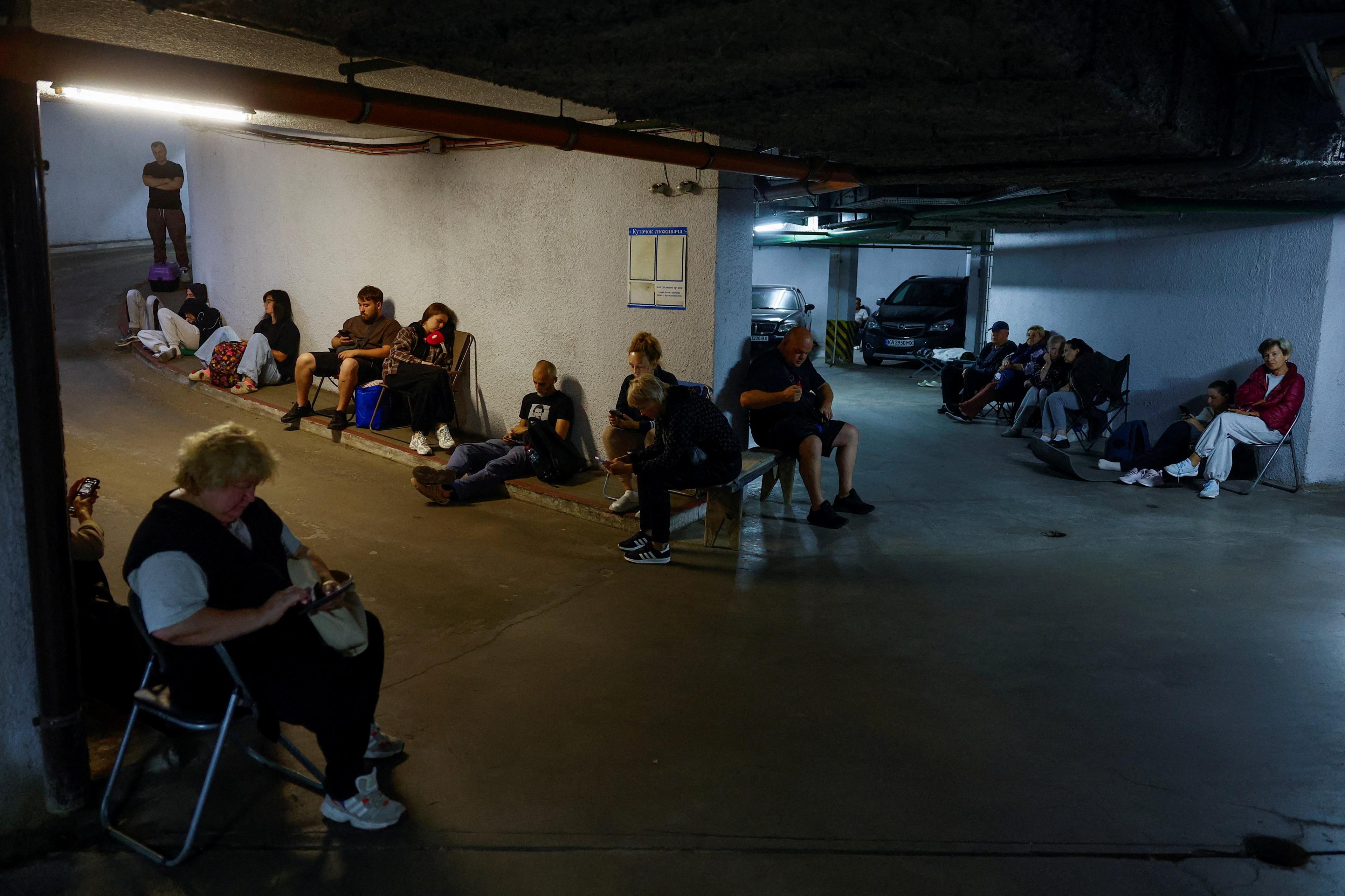
Zaporizhzhia’s acting mayor, Regina Kharchenko, told reporters a recent bombardment forced her to take cover in a bathroom rather than going to the city’s official shelter, illustrating the increasing intensity of attacks. The mayor also mentioned that an FPV drone crashed near her office and another opened a cable, cutting off internet access – functionality that is already dire in the region.
The region’s strategic importance is amplified by the presence of the Soviet‑era Zaporizhzhia nuclear power plant. While the plant lies outside the city limits, it remains within the contested area – a fact that heightens the stakes on both sides.
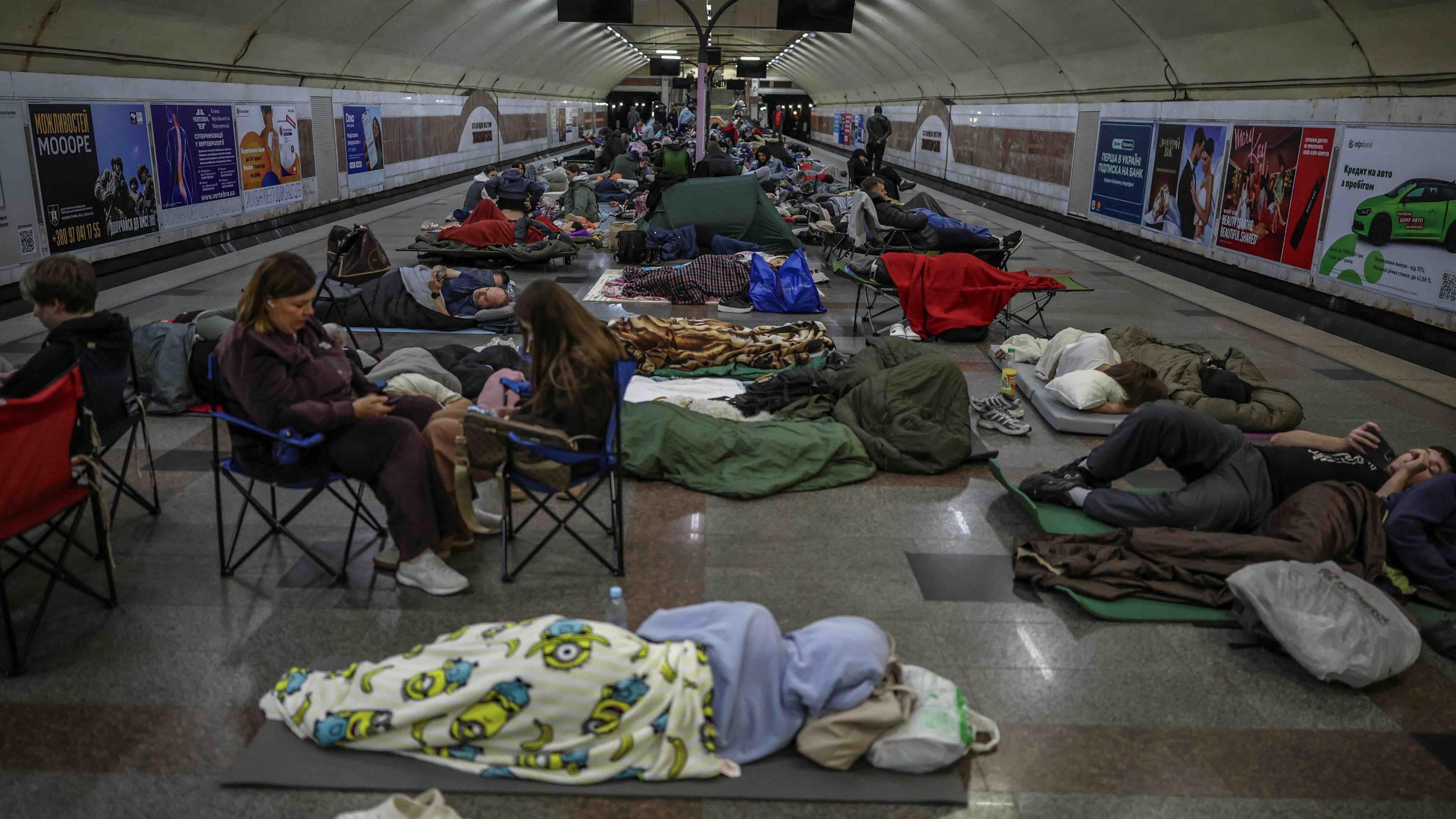
In response, city council meetings were held in a secret bunker. Officials articulated plans to construct more shelters, install anti‑drone nets over key public spaces and apply shatter‑film to windows in schools, hospitals and civic buildings. Despite these measures, residents continue to express pervasive fear, with many admitting to sleeping on the floor at night or avoiding personal security teams.
Analysis by the Royal United Services Institute suggests that Russian forces are employing longer‑range motherships to deliver smaller drones that can roam freely and target otherwise unreachable sites. Additionally, the use of mesh networking technology allows drones to relay signals, complicating efforts to jam them.
Ukrainian forces have been successful in pushing Russian troops south of Zaporizhzhia; nevertheless, the city remains under constant threat as Russian units maintain a focus on local activity while Ukrainian electronic warfare is less active nearby. Local authorities have intercepted 884 drones in the last week of June alone.
“We have food and fuel, so why leave?” Anna emphasised her determination to stay and survive. The city’s populace, though enduring, hopes that these measures and continued military pressure will eventually erode the siege is from war.

The situation in Zaporizhzhia remains a stark reminder of how conflict extends beyond front lines, disrupting civilian life and infrastructure on a daily basis.