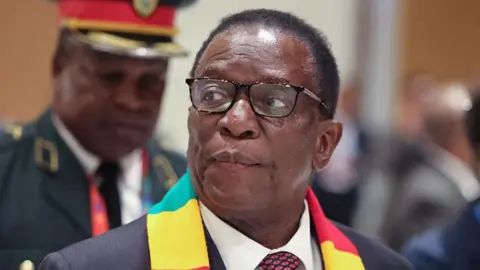
Fears are growing in opposition circles in Zimbabwe that the ruling Zanu-PF party is making a new grab for power as it presses ahead with constitutional amendments aimed at giving parliament - rather than voters - the right to elect the president and to extend his term from five to seven years.
This is a coup, a slow coup that is unfolding in Zimbabwe, veteran opposition politician and former finance minister Tendai Biti told the BBC.
However, Zanu-PF has vehemently defended the proposed changes, asserting that reforming the electoral process is necessary. Party spokesman Patrick Chinamasa remarked, There's nothing that stops us to change, to go to another system that's less costly, less controversial. The conflicting views highlight the deep polarization that the draft legislation has caused, pitting Zanu-PF and opposition supporters against each other.
This divide became evident during public hearings recently held to allow people to express their views on the proposed shake-up, which includes:
- Scrapping presidential elections held since 1990.
- Extending parliamentary and presidential terms from five to seven years.
- Delaying the parliamentary elections scheduled for 2028 to 2030.
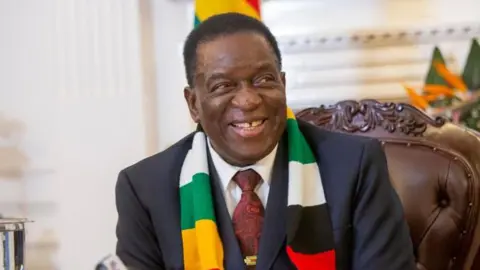
- Allowing President Emmerson Mnangagwa, whose second and final term ends in 2028, to remain in office until 2030.
- Making the new parliament responsible for electing the next president.
Supporters of the changes assert that it will eliminate the violence associated with presidential campaigns. As you know, any election of the president - and it's not just Zimbabwe alone - violence is associated with a popular vote, Chinamasa noted.
Nevertheless, opposition factions argue that the amendments erode hard-fought democratic gains established post-Mugabe. Dissenting voices at public hearings faced hostility, leading to incidents reminiscent of past political violence.
Critics like Biti warn that moving the power to elect the president from voters to parliament threatens to recreate an imperial presidency reminiscent of Mugabe's regime. Furthermore, provisions requiring a referendum for constitutional changes are seen as being circumvented.
Should the parliament approve the bill soon, it culminates a campaign that began in 2024, echoing sentiments of long-standing support for Mnangagwa's leadership. We want to continue the political stability. We want to continue the economic development that is taking place since his excellency took over in 2018, Chinamasa emphasized.
For many, however, this shift signals a return to Zimbabwe's troubled past, with the opposition alarmed at the potential closure of democratic spaces. The situation remains highly contentious as both sides prepare for the forthcoming legislative decisions.