In brief
The AI video shows an opulent vision of Gaza, but many perceive it as fantasy, underscoring the ongoing tensions and differing narratives surrounding the Israeli-Palestinian conflict.
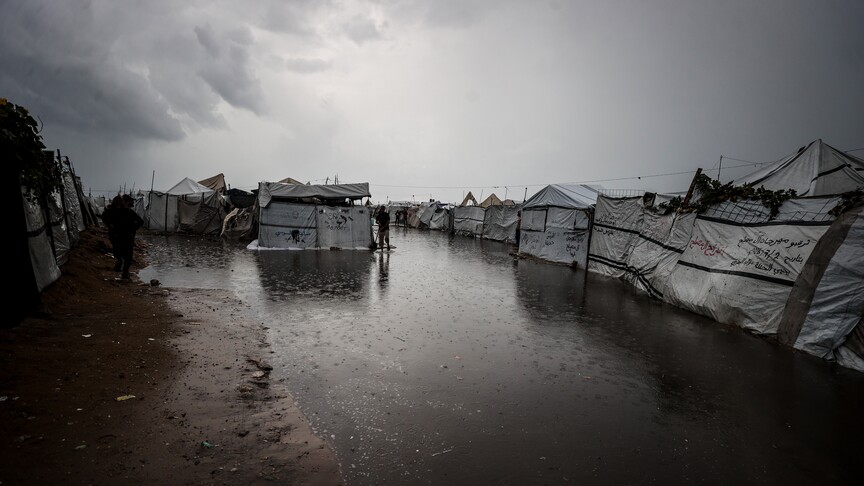
In a recent social media post, former President Donald Trump shared a controversial AI-generated video envisioning the devastated Gaza Strip transformed into a luxury resort named after him. This posting, which appeared just days after Trump seemed to retreat from his proposal to displace Palestinians from Gaza, has drawn widespread condemnation from various quarters.The origins of the video remain murky, and Trump's post provided no commentary. However, versions of the video have circulated on platforms like LinkedIn, X, and Instagram, with the Trump version reportedly sourced from Rumble, a video-sharing site popular among conservative audiences. The portrayal of Gaza as a lavish destination, complete with beachfront scenes and opulence, sharply contrasts the harsh reality faced by many Palestinians.Local leaders, like Ahmed al-Soufi, the mayor of Rafah in southern Gaza, have criticized the portrayal as "fantasy," suggesting that if Trump truly seeks to assist Palestinians, he should advocate for their right to a sovereign state rather than promoting a fictionalized version of their current situation. The video juxtaposes scenes of destruction—gunmen walking through the rubble of bombed-out neighborhoods—with bright images of development, amusement, and wealth.The visuals include oddities, such as a child holding a balloon resembling Trump's head and a golden statue of the former President, creating a surrealist motif that mixes humor and discomfort. Other scenes feature exaggerated representations, such as a character resembling Elon Musk with six fingers and awkward depictions of cultural elements, all framed in a bizarrely celebratory environment with Trump and Israeli Prime Minister Benjamin Netanyahu depicted in casual luxury.As Trump’s followers may find entertainment in the video’s content, critics emphasize that it trivializes the serious humanitarian crises in Gaza, further polarizing public perception in an already deeply divided geopolitical landscape. The incident serves as yet another reminder of the complexities within the Israeli-Palestinian narrative, where media portrayals can significantly influence public opinion and policymaking.