'Dancing Girl' Image Restored in Indian Schoolbook After Backlash
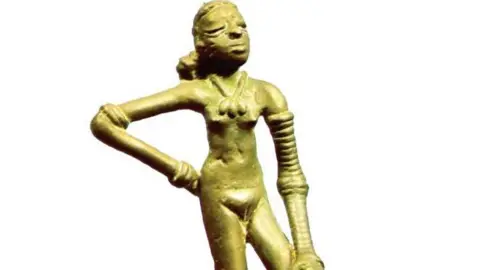
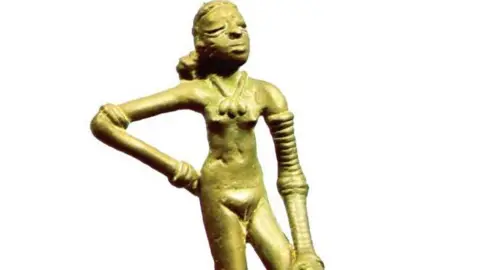
A recent diplomatic stir began when the new nine‑year‑old NCERT textbook for students in India featured a bronze figurine from the Indus Valley Civilization whose torso was obscured by a dark shade. The image, representing the 2600 B.C. “Dancing Girl” discovered at Mohenjo‑daro, had long been a celebrated artifact and a staple in school curricula.
The alteration sparked an immediate backlash from historians, educators and online commentators who accused the National Council of Educational Research and Training (NCERT) of “disfiguring” an archaeological icon. The backlash was amplified through social media, leading to calls for the revised image to be withdrawn and the original returned.
NCERT’s Response
NCERT director Dinesh Saklani announced that the modified picture would be withdrawn. He added that consultations with experts had led to replacing the image with its original, authentic form. “Following consultations with experts, the department is replacing the image of the Dancing Girl with its original version,” Saklani told ANI news agency.
Historical Significance of the Figurine
The Dancing Girl, now housed in the National Museum, Delhi, showcases a young woman in motion, adorned with ornaments and a bun tied hair. Its artistic quality and the craft of bronze casting underscore the sophisticated metallurgy of the Indus Valley Civilization.
Public Opinion and Editorial Insight
An editorial in the Indian Express criticized the coverage of the artifact. The article argued that the figure “embodies poise, confidence and unmistakable presence.” It urged trust in the agency’s decision to provide both students and women—past and present—with agency in understanding cultural heritage.
Policy Context
This case comes amid NCERT’s rollout of the Arts Education Series, part of the National Education Policy that aims to weave visual, performing, and literary arts into mainstream schooling.
Related: NCERT textbooks: Why some Indian scholars are disowning books they wrote