In brief
As aid finally reaches Gaza after a two-month blockade, international reactions highlight a split in political and humanitarian viewpoints, illustrating the complexities surrounding the region’s ongoing crisis.
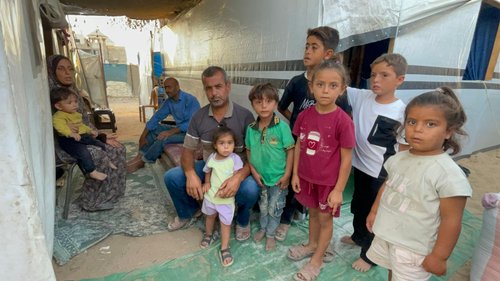
The humanitarian situation in Gaza has garnered renewed attention with the recent delivery of aid after an extensive two-month blockade imposed by Israel. The assistance, which is desperately needed, has prompted a range of reactions globally, encompassing political stances as well as calls for further humanitarian efforts.Many humanitarian organizations have praised the arrival of aid yet emphasized that it is merely a fraction of what is required to address the ongoing humanitarian crisis in Gaza. These organizations advocate for sustained support and the removal of barriers to ensure continuous aid delivery.Conversely, several political leaders have used the aid situation to critique Israel’s policies in Gaza, arguing that the blockade itself exemplifies broader issues of human rights and international law. Their statements often highlight the need for a long-term resolution to the Palestinian-Israeli conflict, suggesting that merely lifting the blockade is not sufficient for lasting peace.On the other hand, there are segments of the political landscape that view the blockade as a necessary security measure for Israel, citing ongoing tensions and violence in the region. This perspective often frames discussions around the aid situation as a complex issue of balancing security with humanitarian needs.In the midst of these diverging views, international bodies and nations continue to advocate for increased dialogue aimed at resolving the underlying conflicts. While aid arriving in Gaza is a crucial step towards alleviating immediate suffering, many assert that comprehensive solutions must be sought to prevent future crises.As the international community keeps a watchful eye on the evolving situation in Gaza, it is clear that the approach to aid and security will remain a contentious topic, deserving of nuanced dialogue and efforts toward reconciliation.