
In brief
High-profile Republicans, including Vivek Ramaswamy and Nikki Haley, are divided over the H-1B visa program, revealing underlying tensions in the upcoming Trump administration concerning immigration and American workforce dynamics.
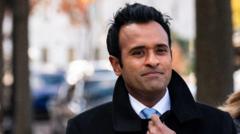
The Republican Party is facing a significant internal debate on immigration policy, particularly surrounding the H-1B visa program, which facilitates the entry of skilled foreign workers into the United States. This rift was highlighted by recent comments from Vivek Ramaswamy, a prominent ally of President-elect Donald Trump, whose defense of the H-1B system ignited fierce backlash from various factions within the party.In a detailed post on social media platform X, Ramaswamy argued that foreign workers enhance the US economy's competitiveness, rebuking what he termed an American culture that prioritizes mediocrity. He lamented the lack of recognition for academic and technical excellence, stating, “A culture that celebrates the prom queen over the math olympiad champ… will not produce the best engineers.”Ramaswamy's remarks drew immediate criticism from Trump supporters who vehemently oppose any immigration, especially from skilled foreign labor. Nikki Haley, the former US ambassador to the United Nations and a past GOP presidential candidate, countered Ramaswamy's stance. She asserted there is nothing lacking in American workers or culture, advocating instead for prioritizing investment in the domestic workforce. “Look at the border and see how many want what we have. We should… be investing and prioritizing in Americans, not foreign workers,” Haley insisted.In the backdrop, far-right influencers such as Laura Loomer showcased their dissent against not only the H-1B program but also the perceived influence of tech leaders like Elon Musk, who backed Ramaswamy’s views. Loomer condemned the appointment of Sriram Krishnan, an Indian-American entrepreneur and advisor in the Trump administration, branding him a "career leftist" and questioning loyalty to the "America First" agenda.Elon Musk also supported the H-1B system, arguing it attracts the top engineering talent while reaffirming a competitive stance for the American workforce. This prompted further criticisms from opponents who illustrated how jobs filled by H-1B visa holders often come with lower salaries, suggesting that the program benefits corporations while disadvantageously affecting U.S. workers.The H-1B visa cap is currently set at 65,000 annually, with an additional 20,000 for individuals holding advanced degrees from US institutions. Data indicates that a large majority of these visas have been granted to Indian nationals, reflecting a trend that shapes the current immigration discussion in the context of American politics.Former President Trump, who has historically criticized the H-1B program and promised mass deportations, is now contending with varying sentiments among his supporters, as shown by Vance, who has strong ties to the tech industry yet campaigned on anti-H-1B sentiments. This juxtaposition reveals potential friction points within the GOP regarding how immigration policy will evolve under the forthcoming administration, raising questions about the influence of tech executives over Trump and the potential policy implications.As the party prepares for the upcoming elections, these discussions could shape whether the GOP reaffirms or reconsiders its stance on vital immigration issues, balancing between traditional voter bases and emerging economic perspectives shaped by global labor trends. President Trump has recently attempted to dismiss any notions that he is unduly influenced by tech moguls, asserting his independence in leading the party’s future agenda.

