
In brief
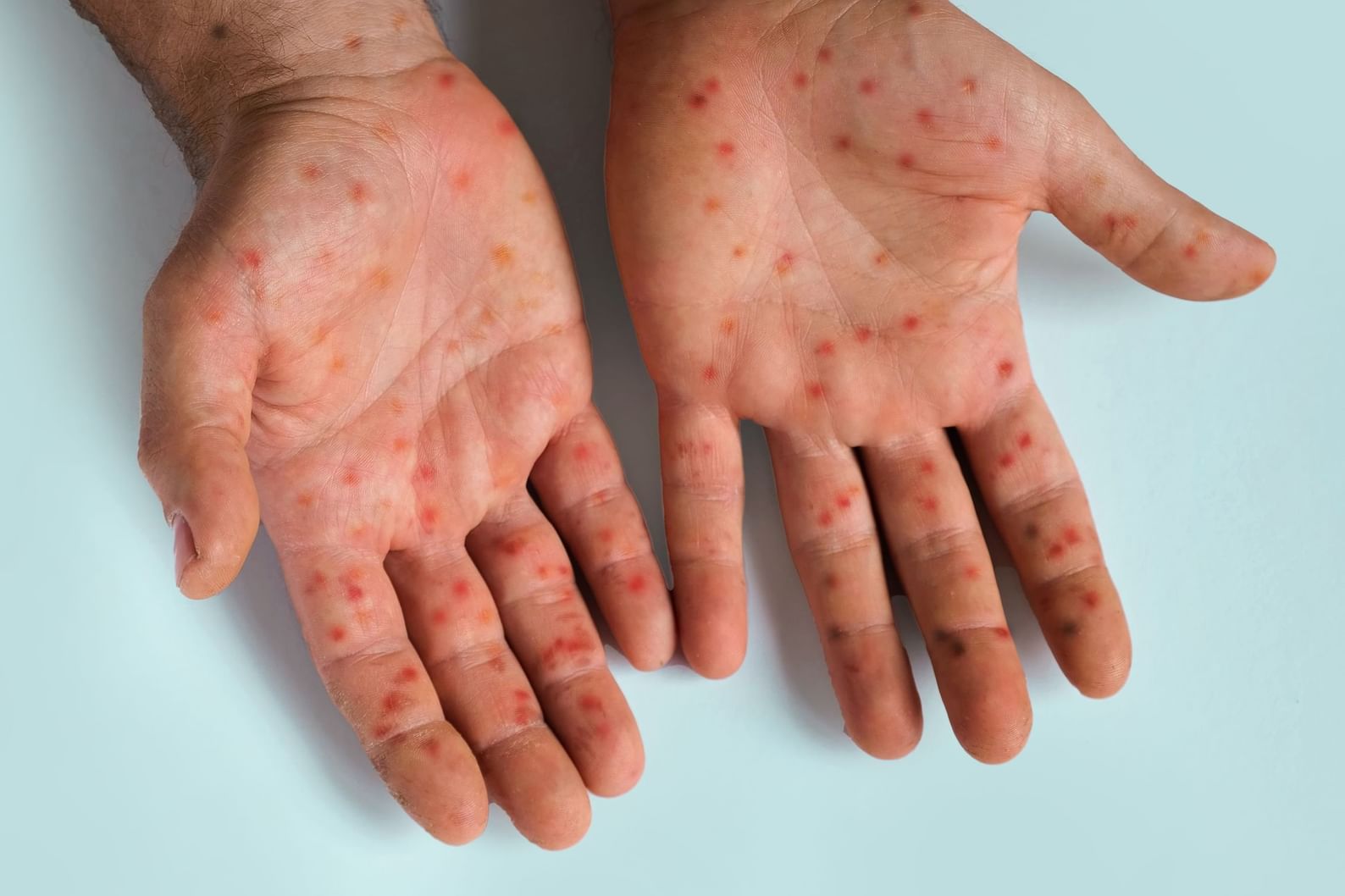
In October 2026, Bangladesh experienced its most lethal dengue outbreak yet, claiming 418 lives and flooding hospitals with more than 133,000 admissions. Experts predict the crisis will likely persist into December amid an already burdened health system also grappling with a severe measles epidemic. The data underscores a mounting strain on national healthcare resources.
Bangladesh recorded its highest monthly dengue death toll of 2026 in October, with 418 people dying from the disease and more than 133,000 hospital admissions reported as of October 30, according to data from the health ministry cited by WAM.
The October surge accounted for 173 deaths, the highest monthly figure in 2026, surpassing September’s 148 deaths and heralding a deadly spike for the country’s government and health officials.
Experts warn that the dengue outbreak is unlikely to ease significantly before December, a pessimistic forecast that highlights the long‑term challenges facing Bangladesh’s already overburdened healthcare system.
In addition to the dengue crisis, Bangladesh is battling the world’s worst measles outbreak, which has killed more than 1,200 people to date and is further straining the nation’s medical capacity.
The combined impact of these two epidemics has stretched hospital resources thin, with hospitals reporting a lack of beds, medical supplies, and trained staff sufficient to handle the surging patient numbers.
Given the simultaneous threats, public health officials have called for intensified vector control measures, community education on preventive practices, and an urgent need for international support to bolster medical infrastructure.
Financial assistance from international partners remains critical, as the national health budget is stretched thin, making it difficult to scale up vaccination campaigns and provide adequate treatment for those infected with dengue or measles.
Health ministry officials have also indicated that the high number of hospital admissions reflects not only an increase in severe cases but also a growing demand for increased testing and early detection of complications.
Bangladesh’s experience this year echoes a pattern of seasonal dengue outbreaks that intensify during the monsoon months, when river flooding and stagnant water create ideal breeding grounds for the *Aedes* mosquito.
In response, governmental agencies have deployed mobile clinics, community health workers, and public awareness campaigns focused on eliminating standing water and using mosquito nets and repellents.
Doctors noted that while dengue can be treated with supportive care, timely administration of fluids and monitoring for hemorrhagic complications are essential to reduce fatality rates, underscoring the need for accessible healthcare services in rural and peri‑urban areas.
Meanwhile, the measles outbreak has prompted increased vaccination drives, especially targeting children under five and high‑risk populations such as refugees and displaced persons in densely populated camps.
Children’s mortality has been the most significant concern, with the measles epidemic accounting for approximately 1,200 deaths, according to health ministry statistics cited by WAM.
Despite the mounting crisis, Bangladesh remains committed to sustaining its ongoing efforts to manage both dengue and measles, with the government pledging to continue surveillance, rapid response, and public health interventions throughout the remainder of 2026 and into 2027.
Overall, the data indicates a pressing public health crisis in Bangladesh: an unprecedented dengue death toll, an intense measles case load, and an overwhelmed healthcare system that demands coordinated national and international action to mitigate life‑threatening outcomes and ensure sustainable health security for the country’s populace.
