In brief
"Baracoa" made its Cuban premiere at the Yara theatre on November 6, 2026, following triumphs in Trieste, Italy. Both Prensa Latina and Radio Angulo highlighted the film’s international accolades and its domestic screening, noting the presence of the director, cast, and the Cuban film institute. The drama, a road‑movie about an Italian revolutionary friend of Fidel Castro and his son, showcases themes of love, friendship, and confronting homophobia.
On Friday, November 6, 2026, the Yara movie theatre in Havana opened its doors to the Italian‑Cuban drama Baracoa after it had already taken home the Audience Award and Best Screenplay Award at the 41st Ibero‑Latin American Film Festival in Trieste, Italy.
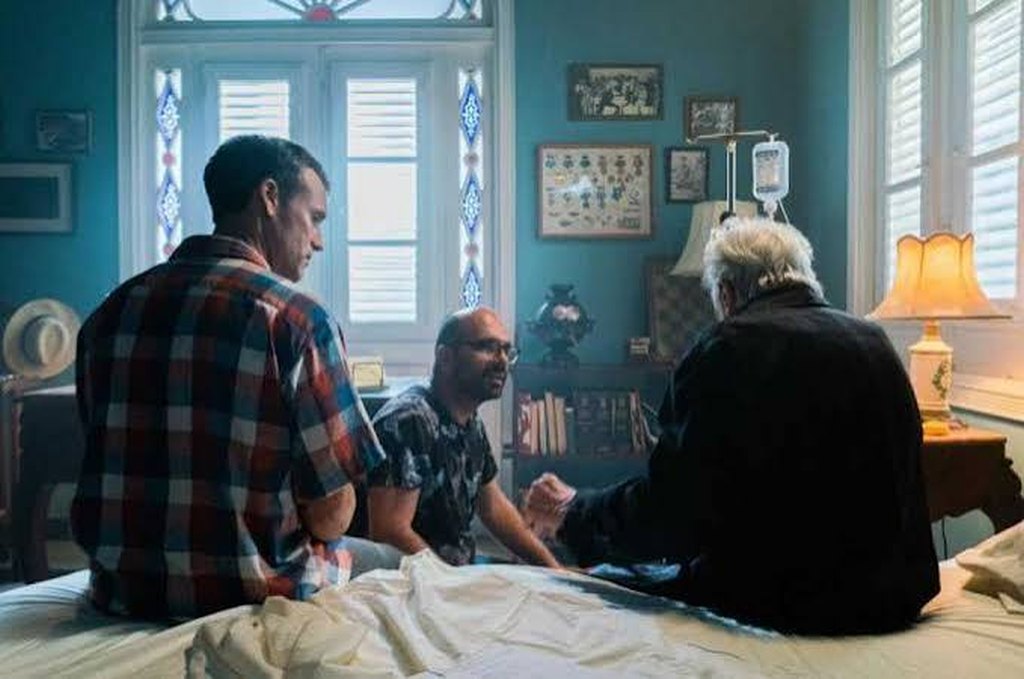
Prensa Latina reported that the film’s premiere is the culmination of a successful run in international film festivals. It won the Audience Award of the Official Competition and the Best Screenplay Award (written by Luis Ernesto Doñas and Filippo Ascione) at Trieste. The agency highlighted that the film follows Felipe—played by the renowned Italian actor Giancarlo Giannini—a revolutionary friend of Fidel Castro, and his son Pepe, whose life is shaped by homophobic prejudices. After Felipe’s death, Pepe and a doctor named Jimmy set out on a journey from Havana to Cuba’s easternmost city, a road trip that becomes a profound personal transformation. Doñas told the outlet that the film’s “purity of emotion…connects with audiences.”
Film background
Radio Angulo echoed the international accolades but focused on the domestic context. It emphasized that the bookish “dramedy” is Doñas’s first fiction film and that the screening will feature the director, producers, production crew, and cast in attendance, as announced by the Cuban Film Institute (ICAIC). The article reiterated the plot about Felipe’s friendship with Castro and Pepe’s journey after his father’s death, highlighting the film’s exploration of love, friendship, and homophobia. Radio Angulo noted that the presence of the cast and crew underscores the film’s significance for Cuban cinema.
While both outlets agree on the film’s thematic core and its Trieste success, Prensa Latina places more emphasis on the audience reception and the director’s reflections, whereas Radio Angulo foregrounds the domestic participation of the Cuban film institute and the attendance of the film’s key figures.
The international awards granted to Baracoa at Trieste provided a strong platform for its home debut, signaling a growing partnership between Italian and Cuban cinema. The film’s narrative—centering on an Italian revolutionary’s friendship with Fidel Castro—offers a transnational perspective that both celebrates shared revolutionary history and introduces contemporary social issues such as homophobia.
The Cuban Film Institute’s announcement that the director, producers, crew, and cast would be present at the screening indicates institutional support for the film and a recognition of its potential cultural impact. Their involvement also points to a desire to integrate international cinematic achievements into Cuba’s national film agenda.
As Doñas’s first fiction film, Baracoa represents a significant milestone in his career and in Cuban film production. Its road‑movie structure, combined with a drama-light comedic touch, offers a fresh narrative approach that could resonate with both domestic and international audiences.
In sum, the Yara theatre premiere of Baracoa marks the arrival of a film that balances historical references with contemporary social themes, is backed by a robust international award record, and enjoys strong institutional participation in Cuba—a fusion that signals an evolving cinematic dialogue across cultures.