
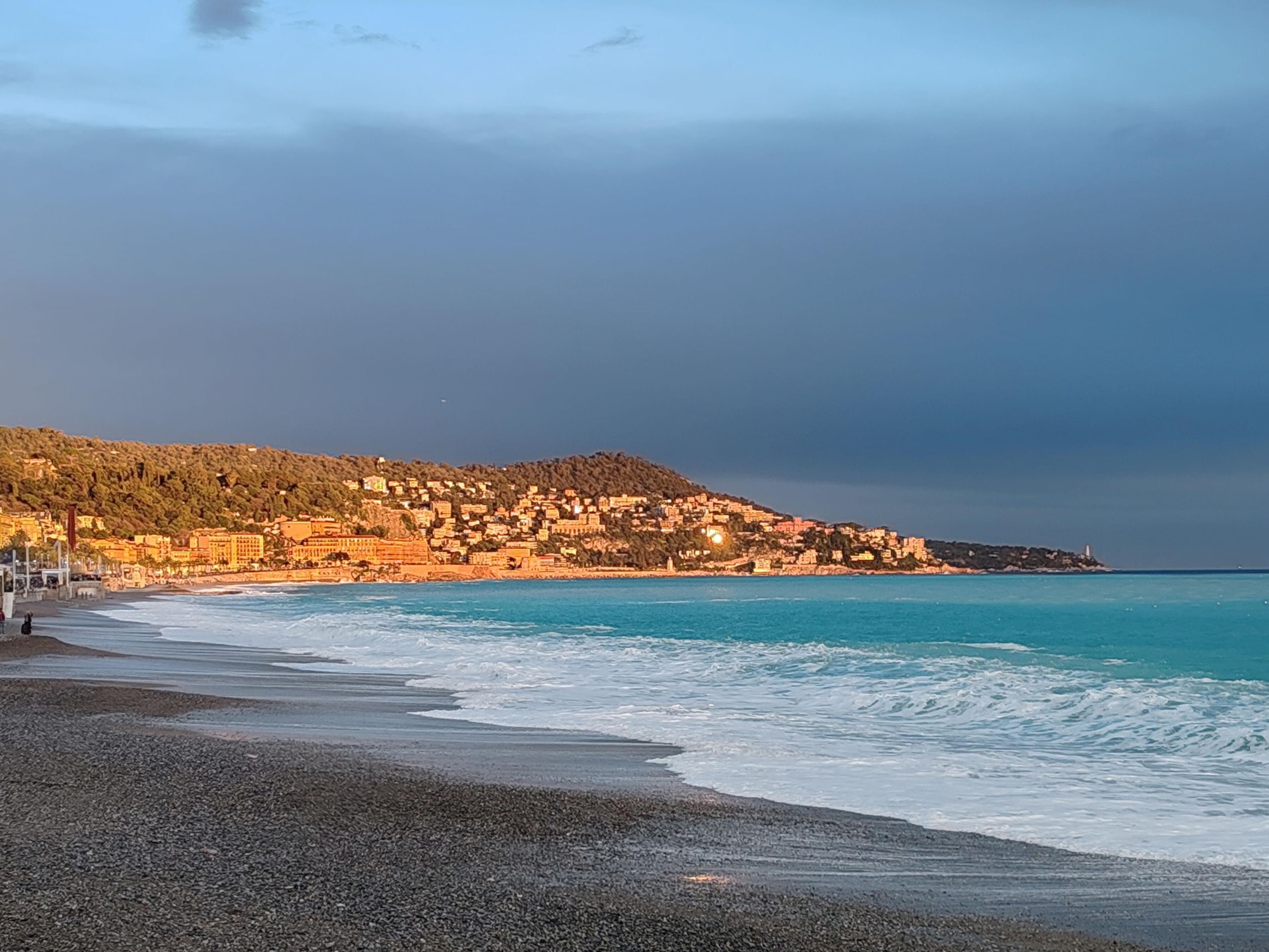
A new report released by the Council of Europe on Monday, November 2, 2026 warns that coastal erosion could erode €800 billion from Europe’s economy by 2100 unless action is taken. The report, titled “How can we cope with coastal erosion?”, states that economic losses from coastal erosion exceed €1 billion per year across 28 European countries and could climb to €800 billion annually by the end of the century if intervention is not implemented.
According to WAM, the Council of Europe urges that many of Europe’s coasts should urgently move toward “planned retreat.” This approach would ban new development or restrict it along vulnerable shorelines and relocate existing homes, businesses, and infrastructure such as roads and rail to more climate‑resilient inland areas. The report cites France, which estimates that around 900 kilometres of mainland coastline are receding and more than 500 municipalities could be affected. It also references Venice, Italy, where protective options include constructing dikes at a cost of up to €4.5 billion or building a super levee with an initial cost exceeding €30 billion.
WAM notes that these solutions would not be permanent. If sea‑level rise exceeds 4.5 metres after 2300, the report says relocating the city and its historic landmarks may become necessary at a cost of up to €100 billion. The Council of Europe also calls for updated risk maps, the introduction and periodic review of no‑build and buffer zones, and the creation of adaptation plans that assess the legal, social, and financial consequences of different choices.
More than 40 percent of Europe’s GDP comes from coastal regions, while 80 percent of low‑elevation coast is at risk of future erosion, the report notes. WAM stresses that better planning and timely relocation decisions would therefore reduce losses and save significant money in the long term.
While the report presents a stark warning, it does not present counter‑opinions from other European bodies or governments. Those options are not included in the material reviewed for this story. The analysis therefore reflects only the findings and recommendations released by the Council of Europe as reported by WAM.
