
In brief
In Memphis, the introduction of a National Guard task force to combat crime has elicited fears among the Latino community regarding immigration enforcement. While supporters view the presence of additional law enforcement as necessary, opponents argue it could escalate tensions and disproportionately affect vulnerable populations. Local advocates are mobilizing to educate residents about their rights amidst these developments.
MEMPHIS, Tenn. — President Donald Trump has initiated the formation of a task force aimed at addressing crime in Memphis, which includes deploying the National Guard and several federal agencies, particularly focused on enforcing immigration laws. This initiative has stirred anxiety within the Latino community, who worry about a heightened risk of being targeted.
Sandra Pita, a U.S. citizen of Mexican descent and mother of six, expressed significant concern over how the deployment might affect families like hers. We fear that not only undocumented individuals but also legal residents and U.S.-born children with brown or Black skin could be unjustly targeted in this crackdown, she said.
Divided Opinions on Law Enforcement Measures
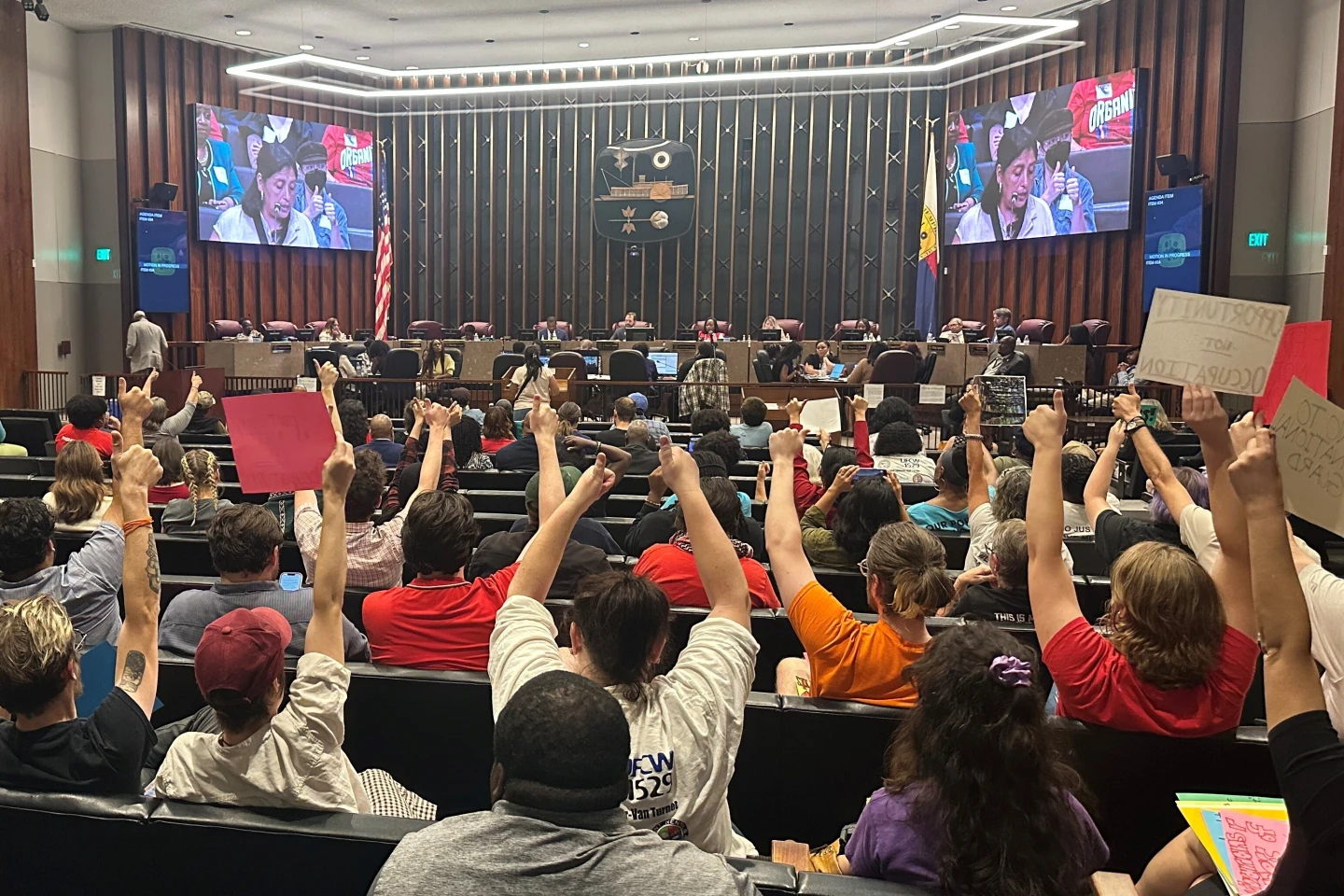
Reactions to the National Guard's presence are deeply polarized. Detractors label the deployment a federal overreach that sidesteps necessary local solutions for poverty and crime, while proponents, including Tennessee state officials, contend it is a vital response to ongoing violent crime rates, such as carjackings and shootings.
This is no occupation. It’s an investment, stated Republican State Senator Brent Taylor, supporting the governor's decision to send limited National Guard personnel to the city.
Democrat Mayor Paul Young voiced his opposition to this deployment, arguing that he hadn’t requested federal assistance and advocating for more comprehensive crime reduction strategies. Instead, he claimed the National Guard would operate akin to a community watch rather than direct law enforcement.
As officials prepare for the National Guard’s arrival, anticipated changes in crime response tactics and the involvement of federal agents could exacerbate existing tensions, particularly regarding racial profiling and immigration enforcement, with over 40% of arrests in a related previous federal operation being immigration-related.
Community Preparedness Amidst Uncertainty
With Mexicans and other Hispanics making up approximately 10% of Memphis’ demographic, local organizations are working tirelessly to instruct the Latino population on their rights. These groups have been distributing informational cards detailing lawful responses to inquiries from enforcement agents.
Mauricio Calvo, the CEO of Latino Memphis, expressed concern about the misinterpretation of the National Guard’s role, indicating some community members may not fully grasp the potential consequences of heightened enforcement. Legal experts reinforce these worries, highlighting the possible chaos that might ensue from law enforcement agents lacking familiarity with immigration law.
As the community braces for the National Guard's introduction, many local leaders emphasize the need for preparedness in facing potential immigration detentions and advising residents on legal avenues to safeguard their rights.
The introduction of the National Guard in Memphis reflects a broader national tension surrounding immigration policies and law enforcement practices, posing critical questions about the impact on community trust and safety.

