
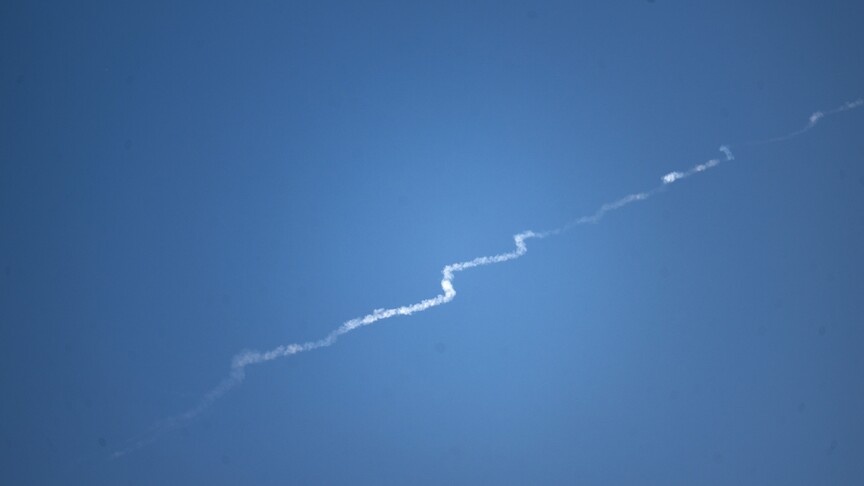
The Saudi‑led coalition announced on 7 November 2026 that its air defenses intercepted and destroyed a cruise missile launched by Yemen’s Houthi militia toward the Riyadh region, according to reports from Anadolu Agency and the Saudi Press Agency.
Anadolu Agency relayed the statement as follows: "Air defenses intercepted and destroyed a cruise missile launched by the terrorist Houthi militia toward the Riyadh region," the coalition’s spokesman, Maj. Gen. Turki al‑Maliki, said on the social‑media platform X. The agency noted that the missile launch occurred amid escalating hostilities between the coalition and the Houthi group, which has controlled the Yemeni capital Sanaa and other areas since 2015.
"Air defenses intercepted and destroyed a cruise missile launched by the terrorist Houthi militia toward the Riyadh region," Maj. Gen. Turki al‑Maliki said.
Following up, the Saudi Press Agency issued its own bulletin, confirming the same event: "Major General Turki Al‑Malki stated that a cruise missile launched by the terrorist Houthi militia toward Riyadh Region was intercepted and destroyed". The agency's release focuses on the technical success of the interception and reiterates the missile’s target area.
"Major General Turki Al‑Malki stated that a cruise missile launched by the terrorist Houthi militia toward Riyadh Region was intercepted and destroyed," the State Press Agency reported.
The intervening armistice between Saudi Arabia and Houthi forces has been fragile since the onset of conflict in 2015. Saudi Arabia, leading a coalition of Arab states, has been supporting the internationally recognised Yemeni government against the Houthis, who seized Sanaa in 2014 and broadened their control across northern and western Yemen.
Both outlet accounts frame the missile launch as a hostile act executed by the “terrorist Houthi militia.” The language underscores the coalition’s stance that the Houthis engage in aggression against Saudi territory, a view the coalition has maintained since the early stages of the war. While the reports agree on the basic facts—the missile’s interception and the responsible parties—they differ only in presentation details, such as the emphasis on the term “terrorist” and the outline of the ongoing conflict’s history.
The interception occurs at a time when the coalition has intensified aerial operations in and around Yemen and eastern Saudi Arabia, citing repeated incursions by Houthi forces. Analysts note that such events tend to raise regional tensions and could lead to further escalation if the Houthis continue to target Saudi infrastructure.
In the broader picture, the incident highlights the continued volatility in the region. With Yemen’s humanitarian crisis still pressing and a lack of comprehensive political negotiations, each missile interception reinforces the narrative of an ongoing military standoff between the coalition and the Houthi militia.


