In brief
A high‑speed train collision near Toledo has caused at least 46 deaths, an increase from earlier reports of 39. The incident involved a Renfe AVE and an Iryo train, with two Iryo carriages derailing and numerous injuries. Spanish Prime Minister Pedro Sanchez expressed shock and confirmed emergency services are responding.
On 28 October 2026, an accident involving two high‑speed trains near Toledo, Spain, brought the death toll to 46, local media and civil protection sources report.
According to the Spanish newspaper ABC, the collision pitted a Renfe AVE service against an Iryo train, with two Iryo carriages derailing and leaving passengers trapped beneath wreckage.
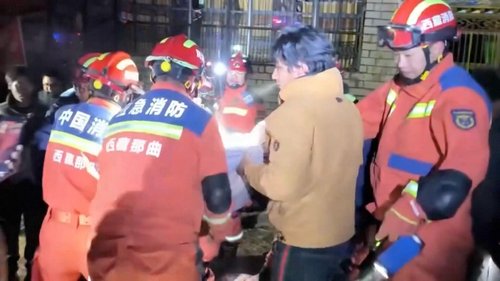
Witness accounts noted that many survivors suffered serious injuries, and emergency responders were on the scene within minutes.
Pedro Sanchez, Spain’s Prime Minister, said he was "shocked" by the serious collision, adding that emergency services were on the ground to assist those impacted.
"I am shocked," said Sanchez.
Earlier in the day, Xinhua had reported that the death toll had risen to 39, characterising the incident as a major accident involving several trains.
That Xinhua update, released at 17:33:45 UTC, cited government sources but did not specify the number of injured passengers, which was later expanded upon by ABC in its coverage.
The two figures—39 and 46—reflect the evolving nature of casualty figures in the immediate aftermath of the collision, with numbers increasing as rescue operations continue and as bodies are recovered.
Both Xinhua reports came from the same network, yet they differed in the casualty count and the focus of the story, illustrating how rapidly news numbers can change during an unfolding disaster.
Local authorities in Toledo have confirmed that the railway corridor remains closed and that additional investigations are underway to determine the exact cause of the collision.
The Spanish government has appealed for nationwide cooperation to support rescue efforts and to compensate the families of victims.
International transport watchdogs have taken note of the incident, emphasizing the need for stringent safety protocols on high‑speed rail networks.
As investigations continue, Spain’s rail operators are working with safety regulators to review emergency response procedures to prevent future accidents of this nature.
At this stage, the latest casualty figures underscore the severity of the incident and highlight the challenges of managing immediate response and long‑term recovery in high‑speed rail crises.