In brief
Sri Lankan authorities launched a data extraction operation at the Department of Motor Traffic (DMT) amid allegations of corruption. The probe involves anti‑corruption and tech specialists and follows earlier arrests and parliamentary statements. No findings have yet been released.
On Friday, Sri Lankan investigators began extracting data from the Department of Motor Traffic (DMT) as part of a probe into alleged fraud and corruption, according to a report by Xinhua. The operation is conducted by officers from the Walana Anti‑Corruption Unit, with technical support from the University of Colombo School of Computing, the Sri Lanka Computer Emergency Readiness Team (CERT), GovTech Sri Lanka, and Sri Lanka Telecom.
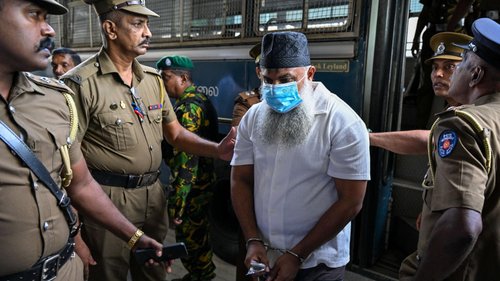
The move follows a series of earlier charges against the DMT. In March, four current and former officials were remanded on allegations that they had manipulated computerized records and carried out fraudulent vehicle registrations. These cases had raised concerns among observers about the integrity of the department’s record‑keeping.
Transport Minister Bimal Rathnayake, speaking to Parliament in June, warned that findings from the Committee on Public Accounts and the Auditor General’s Department would be forwarded to the Attorney General’s Department and the Commission to Investigate Allegations of Bribery or Corruption. The minister’s remarks underscored the government’s intent to pursue accountability within the DMT.
Xinhua notes that investigators are scrutinising the department’s digital records to locate possible irregularities and to confirm the nature and extent of the suspected fraudulent activities. No suspects have been identified publicly, and the results of the data examination remain undisclosed.
While the anti‑corruption unit’s involvement signals a serious approach, the technical teams have not yet announced a timeline for presenting their findings. Speculation has risen about the scope of the data – potentially encompassing years of vehicle registration logs and related financial records.
The DMT has faced longstanding scrutiny over its handling of vehicle registration. Critics argue that the department’s reliance on automated systems could create opportunities for manipulation, especially when record‑keeping functions are outsourced or poorly monitored.
The collaboration with GovTech Sri Lanka and Sri Lanka Telecom suggests that the investigation may tap into advanced data‑analysis tools. These tools could help trace anomalies such as duplicate registrations, suspicious transactions, or gaps in the department’s audit trails.
Parallel to the probe, Parliament has expressed broader concerns about corruption in state-owned enterprises. The DMT case is seen as a test case for the country’s anti‑corruption machinery, and its outcome may influence future reforms in public service oversight.
According to Xinhua, the extraction operation is still in its early stages. The investigators are establishing a secure environment for handling the digital evidence, which includes files stored on the DMT’s servers as well as related communication logs.
The report did not mention any direct quotes from officials involved in the operation. However, it emphasised the joint effort between law‑enforcement and technical experts, reflecting a multi‑disciplinary approach to uncovering malfeasance.
Until the investigators release their findings, analysts remain cautious about drawing conclusions. While Parliament’s statements suggest the expectation of serious action, no definitive charges have been announced beyond the initial remand of four officials.
In sum, the Sri Lankan government is taking a data‑driven path to investigate corruption within the Motor Traffic Department, drawing on both anti‑corruption specialists and modern computing resources. The national debate continues over how effectively public institutions can be held accountable while protecting data integrity and preventing misuse of digital records.