In brief
At the G20 foreign ministers’ meeting in Atlanta, Turkish Foreign Minister Hakan Fidan praised Ankara’s constructive contributions to global crisis management, pointing to Black Sea bottlenecks and energy security. U.S. Secretary of State Marco Rubio highlighted the G20’s focus on energy, critical minerals and supply‑chain resilience, stressing practical outcomes and cooperation. Both leaders underscored the need for dialogue with Russia and Ukraine amid regional tensions.
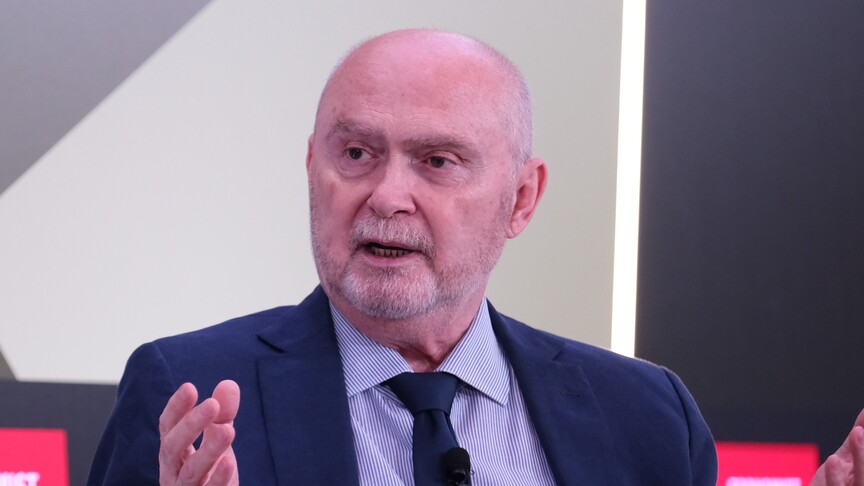
In Atlanta on Saturday, Turkish Foreign Minister Hakan Fidan and U.S. Secretary of State Marco Rubio spoke about the G20 foreign ministers’ meeting, each highlighting different aspects of the event. The two‑day gathering, hosted by Secretary of State Rubio, served as a preparatory forum for the upcoming G20 leaders’ summit in Miami set for December.
Turkey’s Role
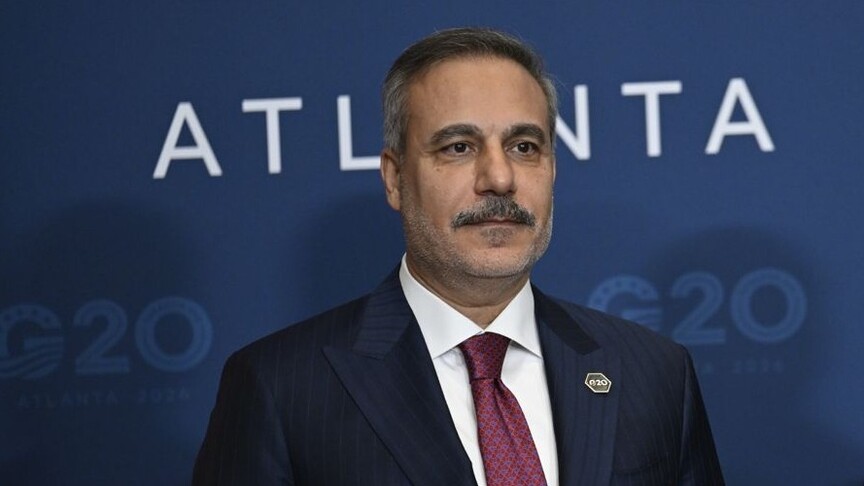
Speaking to Anadolu and Turkish public broadcaster on the sidelines of the meeting, Fidan said Ankara put forward practical proposals to address global crises and strengthen international cooperation. He described the event as particularly timely given “the growing number of global crises, including energy disruptions and mounting pressure on international supply chains.”
Fidan noted that the foreign ministers held three main sessions focusing on global crises, energy security, and supply‑chain disruptions. He highlighted growing bottlenecks in the Black Sea, Gulf and Red Sea, warning that disruptions in these waterways were seriously affecting global trade and supply networks.
He added that “global supply chains have been severely disrupted. Discussions have taken place over how we might remedy or resolve these issues, and what the international community should do in this regard.”
Fidan acknowledged that discussions involving Russia and countries supporting Ukraine are “not always easy,” particularly regarding the Black Sea situation and energy consequences of the Russia‑Ukraine war. Nevertheless, he stressed that such discussions were necessary to allow countries to clearly communicate their positions and explore potential solutions.
He emphasized that Turkey aims “to distinguish itself through meaningful contributions rather than simply taking a different position from other countries.”
U.S. Perspective
At the conclusion of the gathering, Secretary of State Rubio said the G20 focused on strengthening global energy security, securing critical mineral supplies, and addressing vulnerabilities in international supply chains amid growing geopolitical tensions.
“We focused on core economic, energy, technology, and supply chain challenges, and we addressed practical solutions and real outcomes,” Rubio told reporters.
Rubio highlighted the importance of securing access to critical minerals needed for advanced technologies, warning that disruptions to supply chains could have far‑reaching consequences for economic growth and everyday costs. He said participating countries shared an understanding of the challenges, although differences remain over how to address them.
He noted that energy security and freedom of navigation also featured prominently, particularly amid attacks on commercial shipping in the Strait of Hormuz and other strategic waterways. Rubio warned that threats to maritime routes could disrupt energy, fertilizer and agricultural shipments, creating wider food security risks.
Rubio also mentioned cooperation through the Quad grouping of the U.S., India, Japan and Australia, pointing to critical minerals, infrastructure and maritime security as areas for practical cooperation.
Both leaders framed the G20 meeting as an opportunity to tackle pressing global challenges. Fidan highlighted Turkey’s constructive engagement and the need for dialogue on the Black Sea, while Rubio underscored the need for practical solutions in energy, technology and supply‑chain resilience across the G20.