
In brief
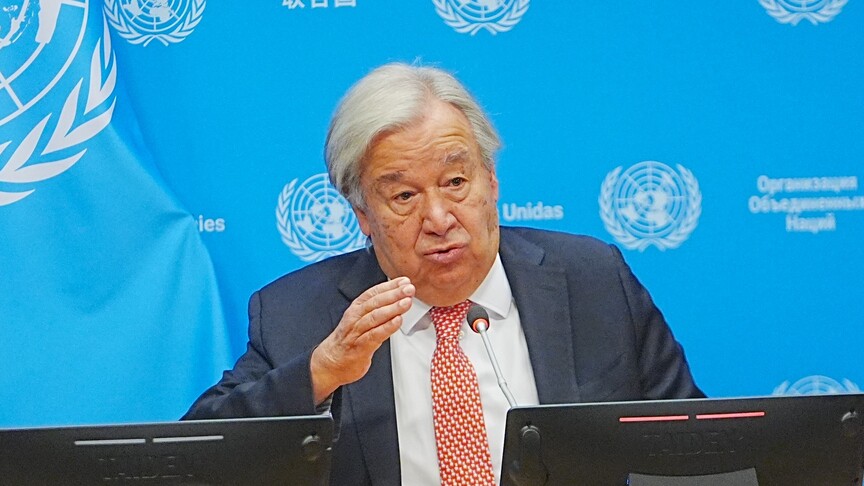
UN Secretary‑General Antonio Guterres expressed appalling condemnation over the death of Mohammed Ibrahim al‑Shami, a United Nations Office of the High Commissioner for Human Rights staffer detained by Houthi forces since June 2024. The incident follows the February 2025 death of World Food Programme staffer Ahmed Ba’alawi and underscores the continuing dangers faced by humanitarian personnel in Yemen’s protracted conflict.
On June 6, 2024, United Nations Secretary‑General Antonio Guterres condemned the death of Mohammed Ibrahim al‑Shami, a staffer from the Office of the UN High Commissioner for Human Rights (OHCHR) who had been held by Houthi authorities in Yemen. The death, reported by Anadolu Agency, marks the second UN employee to die in Houthi custody that year.
According to the Anadolu report, al‑Shami had been arbitrarily detained by the Houthis on the day of his death and Guterres described the killing as “appalling.” He added that he remained “gravely concerned for the safety and well‑being of the UN personnel, former UN staff and personnel from humanitarian and civil society organizations who remain detained.”
Guterres’ statement was issued on the U.S. social media platform X. It also referenced the earlier death of Ahmed Ba’alawi, a national staff member of the World Food Programme who had been detained by local authorities in northern Yemen since January 23, 2025 and died on February 11 of that year. Ba’alawi’s case was noted as the first UN staffer to die in Houthi detention.
In a separate account, Shaya al‑Zindani, an activist, condemned the death of Mohammed Ibrahim al‑Shami after the long detention period, adding that he “holds the responsible parties accountable for the tragedy.” While the Israel.com outlet was unable to provide a direct quote from Guterres, it reported the condemnation in the context of broader concerns over the safety of UN and humanitarian workers in Yemen.
Yet another perspective comes from the Association Ma’onah for Human Rights and Immigration, as reported in a brief Arabic-language press release. The organization “strongly condemns the death of Yemeni UN staff member Mohammed Al‑Shami while arbitrarily detained by Houthi authorities” and urged international oversight of the incident.
The conflict that creates these perilous conditions dates back to 2014, when Houthi forces seized Yemen’s capital, Sanaa, prompting a Saudi‑led military intervention in March 2015 in support of the internationally recognized government. Since then, Yemen has been embroiled in a complex civil war that has produced one of the world’s most severe humanitarian crises, with millions of Yemenis dependent on aid and facing widespread famine.
United Nations humanitarian missions, including those of the OHCHR and the World Food Programme, have repeatedly warned of the risks to their personnel. The deaths of al‑Shami and Ba’alawi illustrate the ongoing threat posed by armed groups in the region. In his statement, Guterres echoed the UN’s concern for all humanitarian personnel working under threat of detention, violence, or worse.
Reports indicate that the Houthi movement has maintained control over large swaths of northern Yemen, while the Saudi‑led coalition continues bombing campaigns in other parts of the country. The conflict’s humanitarian toll has escalated, with displaced populations and food shortages pushing Yemen into a deeper crisis.
While Guterres expressed condemnation of the death, the precise circumstances surrounding al‑Shami’s detention and demise remain under investigation. No Houthi spokesperson has publicly responded to the UN’s statement. The Association Ma’onah has called on international bodies to conduct an independent inquiry into the incident.
In summary, the death of Mohammed Ibrahim al‑Shami highlights the fragile situation for UN staff and humanitarian volunteers operating within Yemen’s conflict zones, raising fresh questions about accountability and the protection of personnel on the ground wide rather than distant.

