In brief
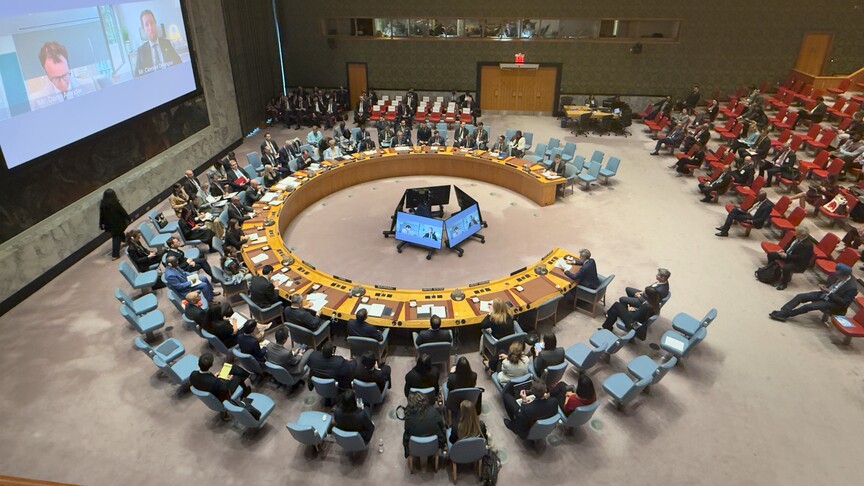
In November 2026, the United Nations Security Council, presided over by Latvia for the first time, will place artificial intelligence at the centre of its work, convening a high‑level debate on technology‑driven conflict resolution. The council will also create an Informal Expert Group on emerging threats, continue routine agenda items and process Turkey’s formal nomination of its ambassador for the Secretary‑General position.
The United Nations Security Council, for the first time presided by Latvia, will place artificial intelligence and emerging technologies at the core of its November agenda amid ongoing tensions in Ukraine and the Middle East.
Latvian Permanent Representative to the UN Sanita Pavluta‑Deslandes told reporters at UN headquarters that “We believe that the issue of emerging technologies, including artificial intelligence, and their impact on peace and security, is a topic that will stay on the council's agenda.” She explained that the focus would remain on technology’s effect on protection of civilians, peacekeepers, humanitarian personnel and media workers, rather than on establishing global regulatory frameworks, a responsibility she said belongs to the General Assembly.
The council will host a high‑level, ministerial open debate titled “Conflict resolution in an era of rapid technological change” on November 24, with representatives from the technology sector and AI companies scheduled to brief council members. In addition, an Informal Expert Group on emerging threats and technological change, jointly created by Greece and joined by ten council members, will hold its inaugural session during the month.
While addressing broader security concerns—including Russia‑Ukraine tensions and Middle Eastern hotspots—the council will also circulate an official letter from Turkey nominating ambassador Feridun Sinirlioglu for the position of UN Secretary‑General. Pavluta‑Deslandes confirmed that indicative straw polls will take place in November, just two months before the five‑year appointment is scheduled to begin.
Routine agenda items such as peacekeeping mandates, peacekeeping operations, judicial elections and the council’s standard work programme will continue to proceed concurrently with the new AI‑focused theme.
According to the Security Council Report’s November 2026 monthly forecast, Latvia will also organize an open debate on emerging technologies and security, underscoring a growing focus on artificial intelligence within the council’s thematic discussions.”}