
In brief
The U.S. Department of Justice has initiated a lawsuit against Minnesota and its major cities for implementing sanctuary policies, claiming these actions obstruct federal immigration rules and allow dangerous individuals to evade deportation. Minnesota attorneys counter that their policies do not prevent local cooperation with federal authorities and call the lawsuit retaliatory. The debate over immigration enforcement versus local autonomy continues as sanctuary city laws are challenged across the United States.
MINNEAPOLIS (AP) — The U.S. Department of Justice is suing the state of Minnesota along with its two largest cities and Hennepin County due to sanctuary policies that allegedly interfere with federal immigration enforcement.
The lawsuit, filed on Monday, specifically targets Minnesota, Minneapolis, St. Paul, and Hennepin County, claiming their regulations lead to the release of dangerous criminals who would otherwise be subject to deportation. The federal government is asking the court to invalidate state and local policies that it believes impede immigration enforcement.
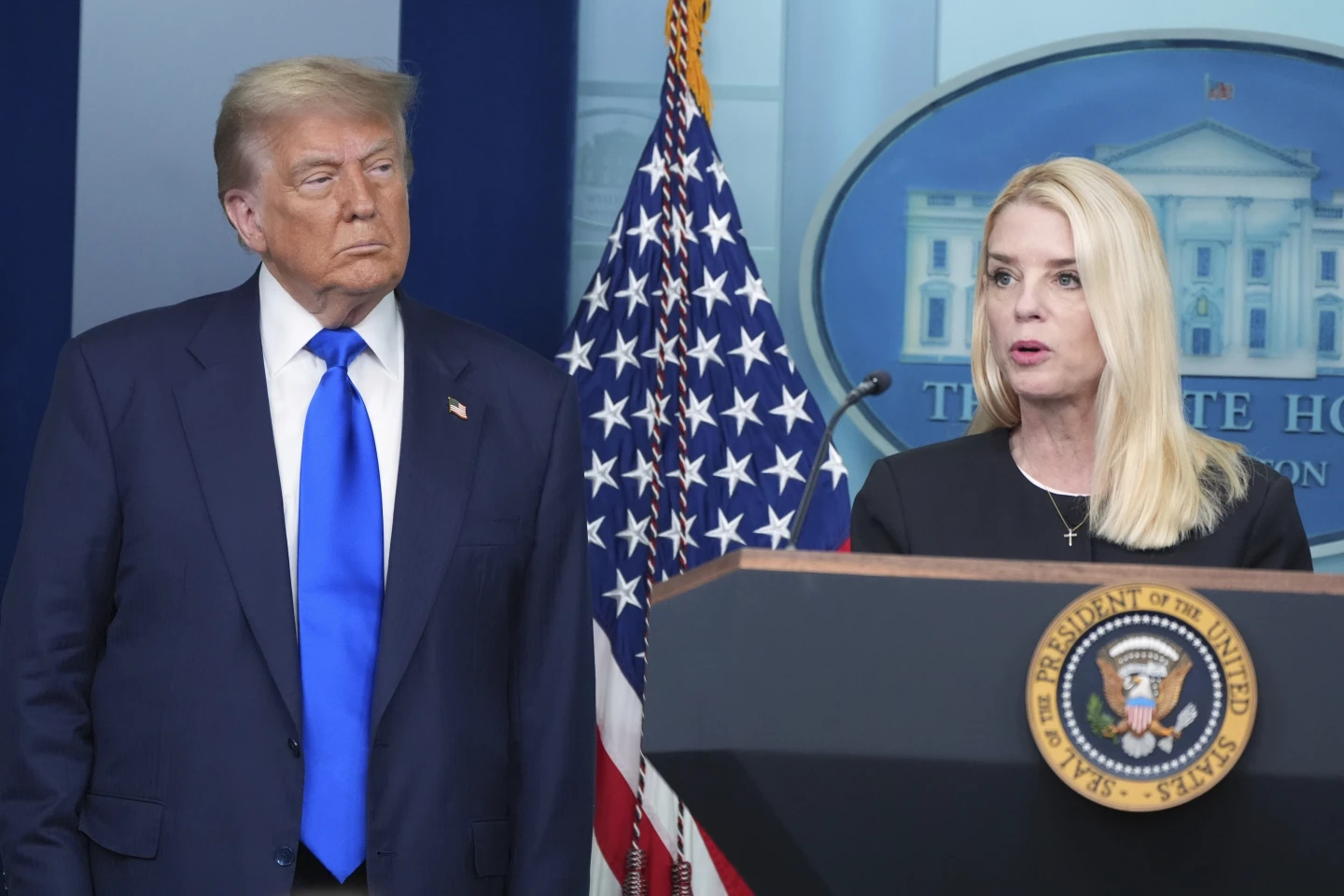
Minnesota officials are jeopardizing the safety of their own citizens by allowing illegal aliens to circumvent the legal process, stated Attorney General Pam Bondi.
This lawsuit marks Minnesota as the latest jurisdiction in the sights of President Donald Trump's administration, which has pursued similar actions against states and cities including Colorado, Illinois, New York, and New Jersey.
Countering the allegations, Minnesota Attorney General Keith Ellison affirmed that state procedures do not obstruct federal cooperation in prosecuting dangerous individuals. Ellison described the federal lawsuit as simply a case of political retaliation against Minnesota, asserting that they will contest it in court.
The lawsuit cites an advisory opinion issued by Ellison in February, which stated that state and local authorities can't lawfully detain individuals based on immigration detainers once they would be otherwise released. Officials argue that this guidance is used by counties to justify non-compliance with federal detainer requests.
Minnesota's Governor Tim Walz, while acknowledging some local law enforcement cooperation limits, emphasized that the state does not classify itself as a sanctuary state, specifying there are no statewide protections against deportation for illegal immigrants.
With Minneapolis and St. Paul enacting restrictions on cooperation with immigration enforcement, the federal lawsuit has ignited discussions over the definition of sanctuary jurisdictions, which typically involve policies limiting collaboration with federal immigration authorities.
Mayor Jacob Frey of Minneapolis stated that the city proudly welcomes immigrants and refused to concede to what he perceives as an unwarranted federal lawsuit aimed at sowing division among citizens.
The controversy over immigration enforcement amidst local sanctuary laws continues to unfold, with the Department of Homeland Security assessing many regions as 'sanctuary jurisdictions' that oppose federal immigration law enforcement.

