In brief
In the wake of the worst drought on record, Brazil is now grappling with violent storms that have left at least eight people dead and millions without power. Central and southeastern regions experienced winds up to 100 km/h (60 mph) and heavy rainfalls, causing significant damage in São Paulo and beyond.
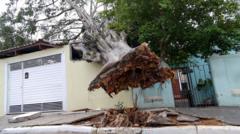
Storms have wreaked havoc across Brazil, claiming eight lives and leaving thousands without power as the country transitions from a historic drought to unprecedented rainfall. In São Paulo, Brazil's most populous state, seven fatalities have been reported, mainly due to falling trees and infrastructure damage from high winds and heavy rains. Power outages have affected extensive areas, with more than 1.3 million homes and businesses losing electricity, exacerbating water supply issues. Efforts are underway to restore electricity by Monday through energy firm Enel. In response to the prolonged blackout, residents of the Parque São Roberto neighborhood protested by banging pots for attention.Meanwhile, extreme weather conditions in Brasilia led to a soldier's death and significant flooding, even forcing officials in the Chamber of Deputies to use umbrellas indoors. Despite the destruction, some people in Brasilia have welcomed the rain, which brought relief after a stretch of 165 days with no precipitation. This intense drought, the worst in recorded history, has been linked to climate change and the El Niño weather phenomenon, leading to widespread wildfires that devastated the Amazon rainforest and Pantanal wetlands. As Brazil contends with these dual climate challenges, discussions about resilience and adaptation to changing weather patterns are becoming increasingly urgent.