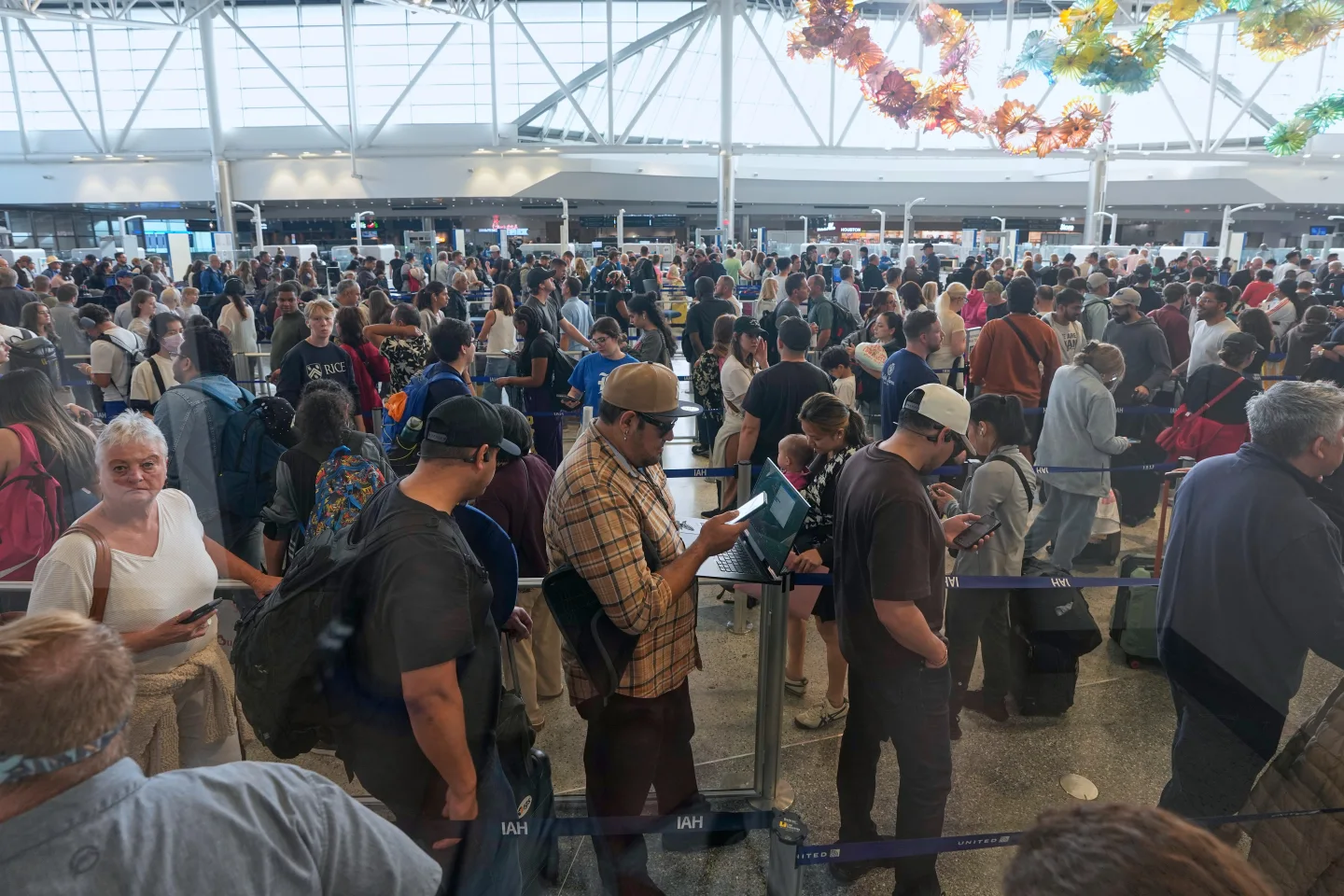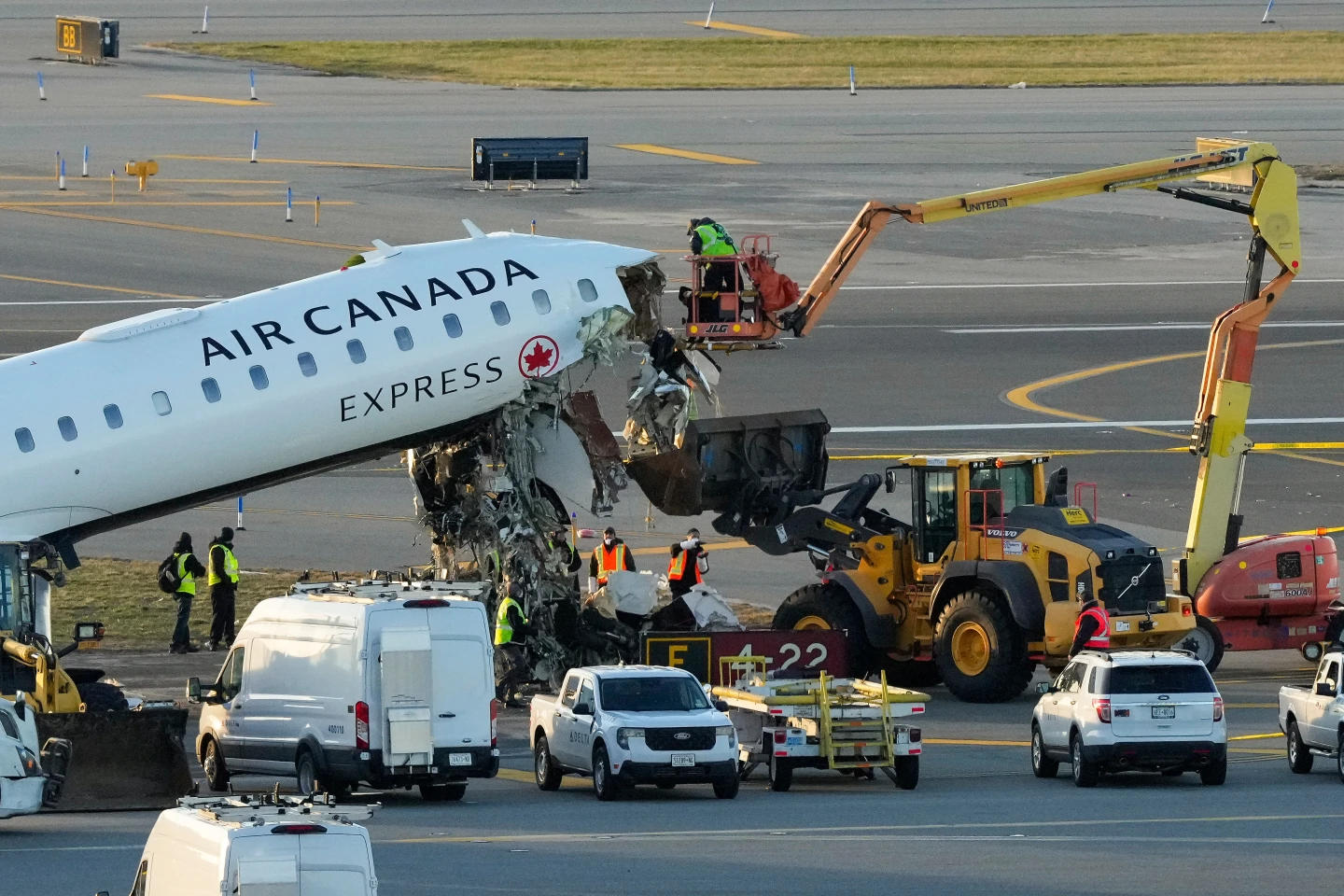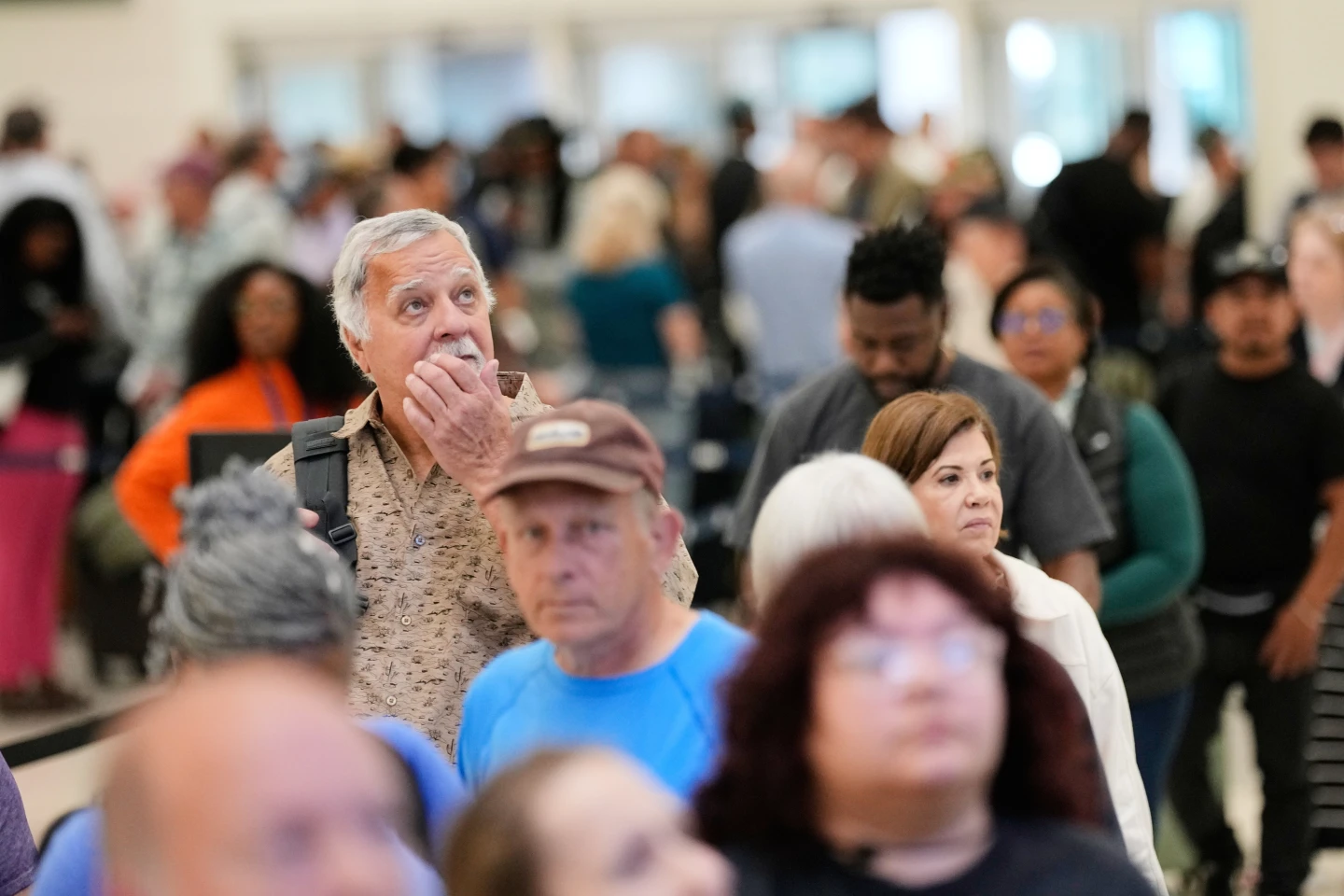
While the National Transportation Safety Board (NTSB) noted a decrease in air accidents in the United States from 2005 to 2024, the number of flights increased significantly during the same period. January 2025 recorded fewer accidents than the previous Januarys, indicating a positive safety trend despite the social media narrative. Furthermore, the International Civil Aviation Organization (ICAO) reported a global decrease in accidents per million plane departures since 2005.
Although data shows fluctuating fatalities in air travel—often influenced by major disasters like the disappearance of MH370 and the shooting down of MH17—professors emphasize the randomness of such incidents. Noted statistician Sir David Spiegelhalter explained that significant air disasters can lead to seemingly correlated trends in accidents, urging the public to interpret data cautiously.
Experts like Ismo Aaltonen and Marco Chan attribute the rise in public awareness about aviation safety to social media. As footage of accidents gains traction online, perceptions can shift, leading to heightened concerns, even when statistics reflect improvements in safety. Chan pointed to the increased scrutiny of incidents involving Boeing aircraft, further affecting public sentiment.
Despite the recent spate of incidents, aviation remains the safest means of transportation. According to US Department of Transportation data, in 2022, 95% of transport-related deaths occurred on the road, with air travel accounting for less than 1%. The relative safety is even clearer when comparing fatalities per distance traveled—0.001 passenger deaths per 100,000 miles for airlines versus 0.54 in passenger vehicles.
Experts encourage travelers to be mindful that the most dangerous part of a trip is typically the drive to the airport rather than the flight itself. As investigations into recent incidents continue, regulatory bodies are committed to improving safety protocols, ensuring that aviation holds its reputation as a secure mode of travel.
Although data shows fluctuating fatalities in air travel—often influenced by major disasters like the disappearance of MH370 and the shooting down of MH17—professors emphasize the randomness of such incidents. Noted statistician Sir David Spiegelhalter explained that significant air disasters can lead to seemingly correlated trends in accidents, urging the public to interpret data cautiously.
Experts like Ismo Aaltonen and Marco Chan attribute the rise in public awareness about aviation safety to social media. As footage of accidents gains traction online, perceptions can shift, leading to heightened concerns, even when statistics reflect improvements in safety. Chan pointed to the increased scrutiny of incidents involving Boeing aircraft, further affecting public sentiment.
Despite the recent spate of incidents, aviation remains the safest means of transportation. According to US Department of Transportation data, in 2022, 95% of transport-related deaths occurred on the road, with air travel accounting for less than 1%. The relative safety is even clearer when comparing fatalities per distance traveled—0.001 passenger deaths per 100,000 miles for airlines versus 0.54 in passenger vehicles.
Experts encourage travelers to be mindful that the most dangerous part of a trip is typically the drive to the airport rather than the flight itself. As investigations into recent incidents continue, regulatory bodies are committed to improving safety protocols, ensuring that aviation holds its reputation as a secure mode of travel.