In brief
The clash between mathematicians over a claim of solving the Navier–Stokes equations highlights growing concern about AI’s influence on research. While some AI tools accelerate discovery, others risk hallucination and loss of credibility. The debate encompasses data ownership, the integrity of peer review and the risk of fabricated citations. Stakeholders argue for stricter safeguards while acknowledging AI’s potential to uncover insights that elude human intuition. Ultimately, the scientific community faces a choice between embracing AI as a tool or watching it erode the foundations of knowledge.
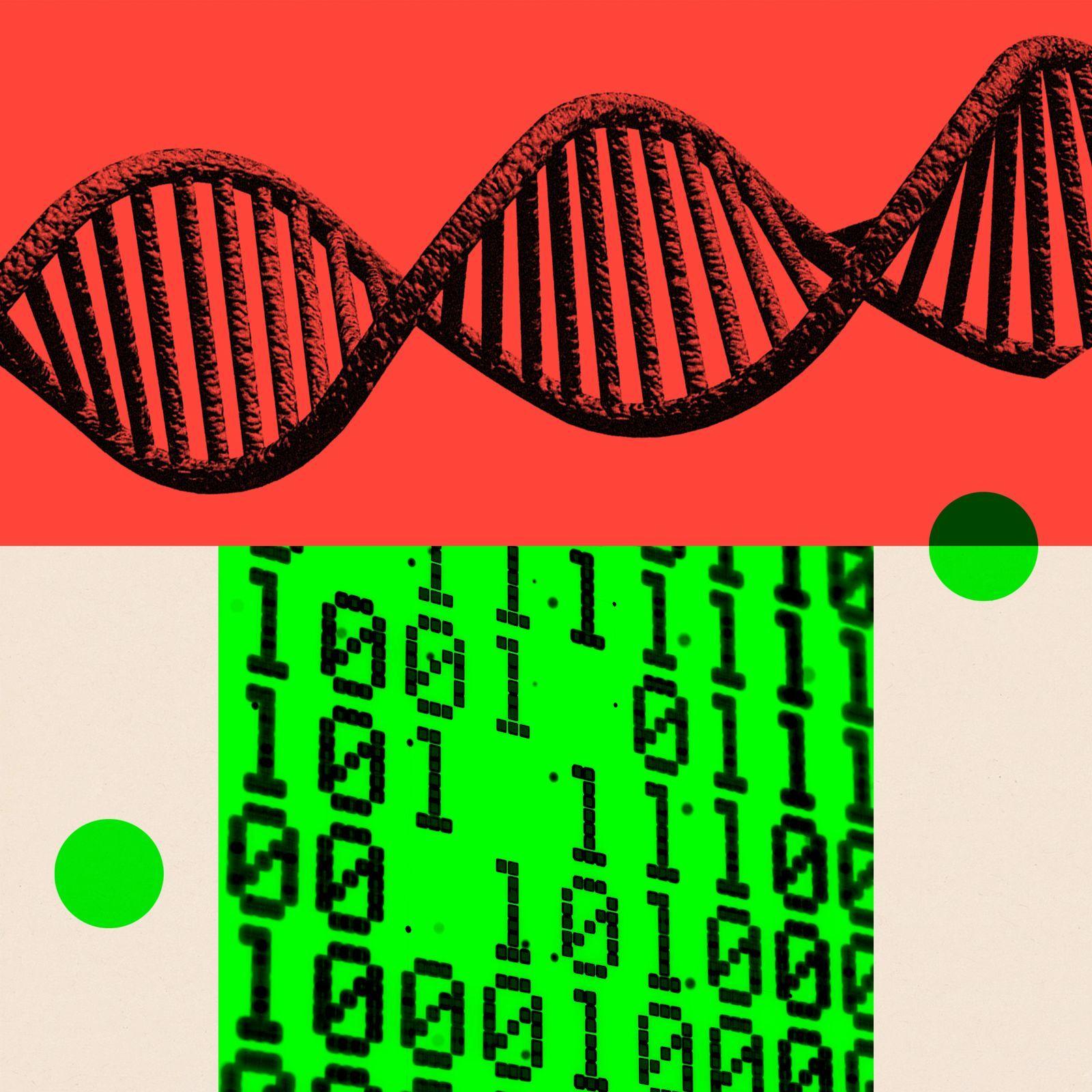
A bank of white freezers hums in a former London watch factory. Inside, glass tubes hold about 100 billion genes—twice the amount of text on the internet, says Dr Oliver Vince, co‑founder of Basecamp Research.
Basecamp aims to use that DNA to train an AI that “speaks the language of biology,” mirroring how U.S. and Chinese companies harvest text to build large language models. Vince sees AI as a research accelerator, but the field now wrestles with controversies.
Last month OpenAI announced it had solved the Navier–Stokes equations in 88 hours, sparking a flurry of reaction. Shortly before the claim, New York‑University mathematician Tristan Buckmaster, working with Anthropic’s Levent Alpöge, warned that their own progress—kept in OpenAI’s Codex—might have been inadvertently used by the company. Buckmaster did not accuse anyone but raised doubts about data sharing and academic transparency.
OpenAI stated that no one had seen the competing work before publication, later adding that any anonymised data from its product “could not have influenced” the models. The dispute exposes wider worries about AI distorting trust in the scientific process and the authenticity of published findings.
Experts fear that AI could flood journals with “slop” – papers largely written by bots, containing bogus citations or fabricated results. A study by Ghent University found nearly 90 % of biomedical papers contain AI fingerprints, raising a warning that LLM bias might seep into literature unawares.
Publishers like Elsevier are responding by developing signals to flag suspect submissions. The scientific community calls for “research‑grade AI,” where humans maintain control and accountability over AI‑generated content.
Meanwhile, successes such as DeepMind’s AlphaFold and a recent AI‑assisted discovery of a new sperm–egg lock‑and‑key protein show that, when used responsibly, AI can accelerate real breakthroughs. The challenge remains: balance innovation with safeguards so that the bricks of science are not quietly eroded.