In brief
Donald Trump has announced a $1 million reward for people who provide evidence of voting fraud that leads to a conviction, and has repeatedly claimed that mail‑in voting is a major source of corruption. However, studies of federal elections from 2016 to 2022 show an average of just 4 fraud cases per 10 million postal ballots, and the Heritage Foundation’s own database lists only 325 convictions over 20 years. Critics note that stricter voter‑ID rules could suppress turnout, while supporters say federal databases can help clean voter rolls if used carefully. In short, the evidence suggests that widespread fraud is not a realistic concern for the upcoming midterms.
Trump’s $1 Million Fraud Reward: How the Claims Stack Up
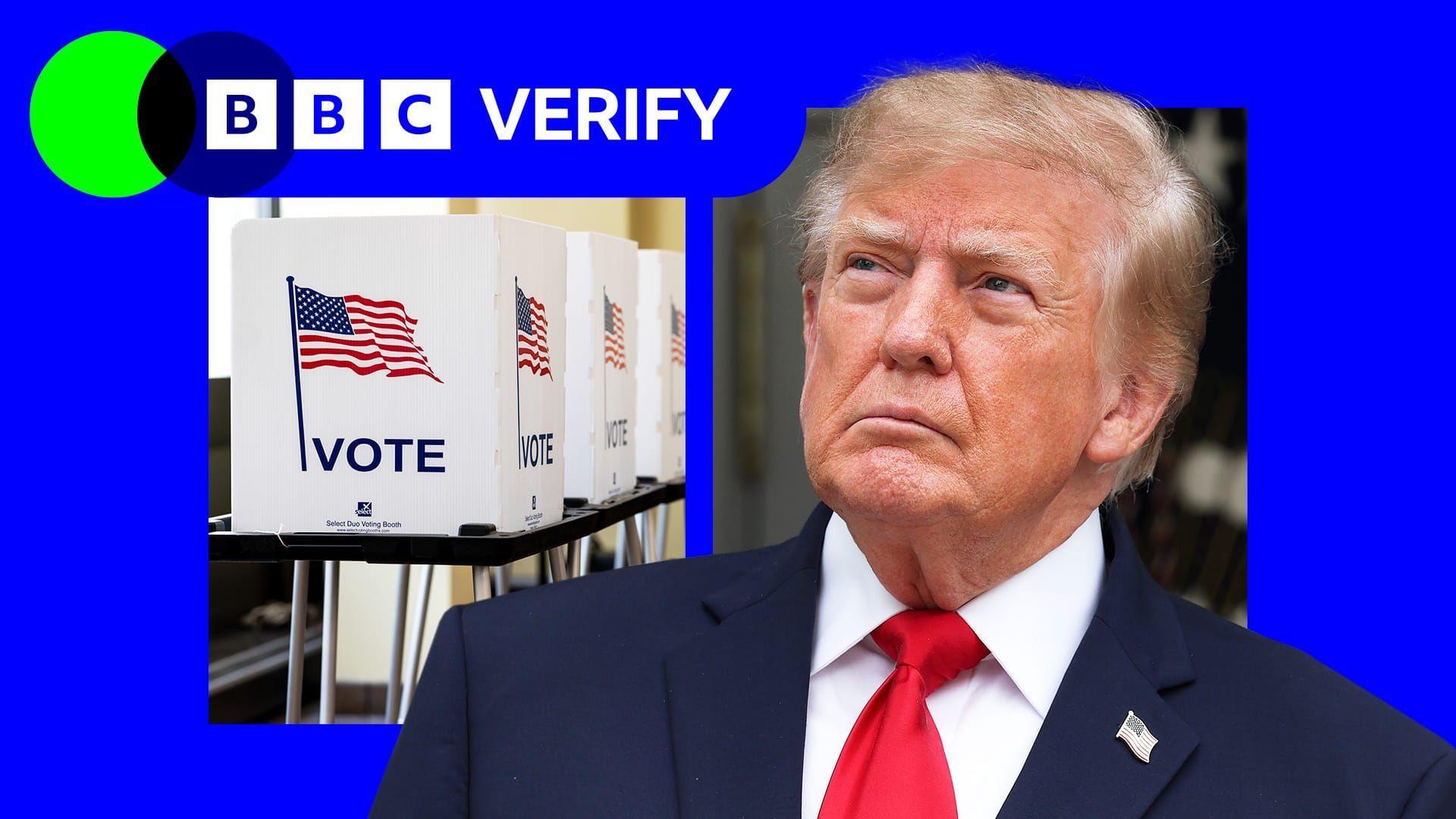
President Donald Trump announced a $1‑million reward for anyone who reports vote‑fraud that leads to a conviction ahead of the US midterms on 3 November. He has said the problem is “rampant” – pointing to alleged mail‑in cheating and non‑citizen voting – yet the data on election‑fraud cases tell a very different story.
Postal voting and fraud (1‑2 % of votes in the 2024 election were sent by mail)
Three main points emerge from the research:
- Extremely low fraud rate. Studies of the 2016, 2018, 2020 and 2022 elections found an average of about four fraudulent instances per 10 million postal ballots. That translates to roughly 0.00004 % of all mail votes.
- Heritage Foundation database. The think‑tank’s database lists 325 convictions over 20 years – a fairly small number when spread across the two‑billion‑voter electorate.
- State checks. All states vet absentee ballots by matching voter data and, in most cases, conduct signature verifications, further limiting the scope for fraud.
Voter‑ID proposals and potential impact
Under Trump’s proposed bill, voters would need a government‑issued photo ID at the polls, and voters would be required to prove citizenship when registering. The policy is intended to deter non‑citizen voting, but experts warn it could reduce turnout because many citizens do not possess a photo ID that also proves citizenship.
A 2023 study by the liberal‑leaning Brennan Center noted that about 9 % of eligible voters lack documentation that confirms citizenship. Yet other scholars, including Walter Olson of the Cato Institute, argue that existing voter‑ID laws have not demonstrably lowered turnout.
Non‑citizen voting evidence
The Heritage Foundation reports 24 convictions for non‑citizen voting from 2005‑25, and a 2026 Reuters analysis found 73 convictions out of 129 felony cases involving non‑citizens across the last 30 years. The numbers are very low compared to the billions of ballots cast.
State investigations into the USEC database also reveal only a handful of removed voters. For example, Nevada’s list of 185 names contained only non‑citizens that were, after investigation, all U.S. citizens. In California, 28 charges were filed out of 20,000 ballots flagged as “likely non‑citizens,” although the appeals court rejected the department’s request to discard those ballots outright.
Supreme Court and executive action
Trump’s executive order required the Postal Service to deliver ballots only to lists of citizens compiled by federal agencies and called for uniform envelope designs – a move that the Supreme Court described as “arbitrary and capricious” and overturned because it came too close to the midterm dates.
The Court also lifted restrictions on the USEC database, allowing its use for voter‑roll verifications, but cautioned that the data may be outdated and could mistakenly exclude legitimate voters.
Overall, the evidence points to a very small risk of widespread fraud in mail‑in voting, and a negligible number of non‑citizen voters. The reward offer, while emblematic of Trump’s campaign to delegitimise the electoral process, is unlikely to stem any real breach of democratic norms ahead of the 2026 midterms.